Close
Approach Words: Integrated City, Participatory Approach, Sustainability
Public Policy Instruments: Financial Mechanism, Organization, Regulatory
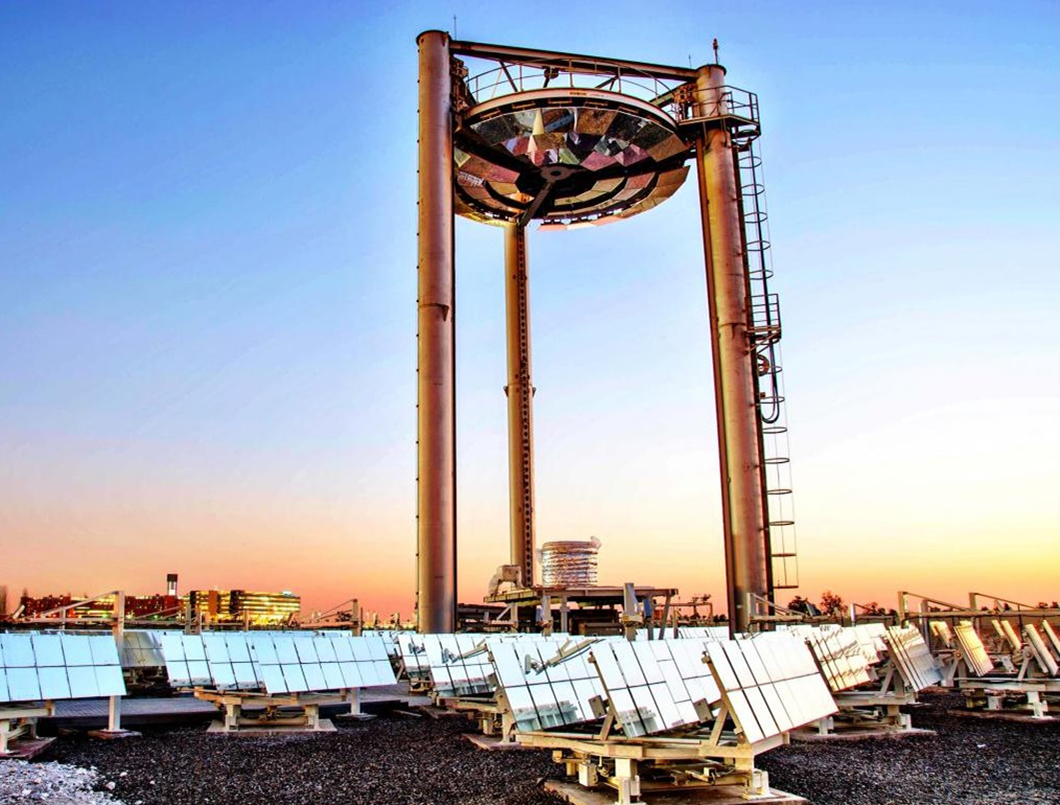
The Kuraymat Solar Thermal Power Plant is a landmark integrated solar combined cycle (ISCC) facility, located about 100 kilometers south of Cairo, in Kuraymat region.1 It represents the first hybrid solar-gas power plant in Egypt, combining solar thermal and natural-gas technologies.2 3 Initiated under Egypt’s National Five-Year Development Plan, the project was developed between 2005 and 2011,4 with the aim of introducing solar thermal technology to Egypt’s grid and diversifying national energy sources.5 6
The project’s vision was to “diversify Egypt’s power supply, reduce environmental impacts from fuel consumption, and demonstrate new solar thermal technologies applicable to future projects.”7 The initiative aligns with Egypt’s national energy strategy to promote renewable energy integration and reduce greenhouse-gas emissions.8 9
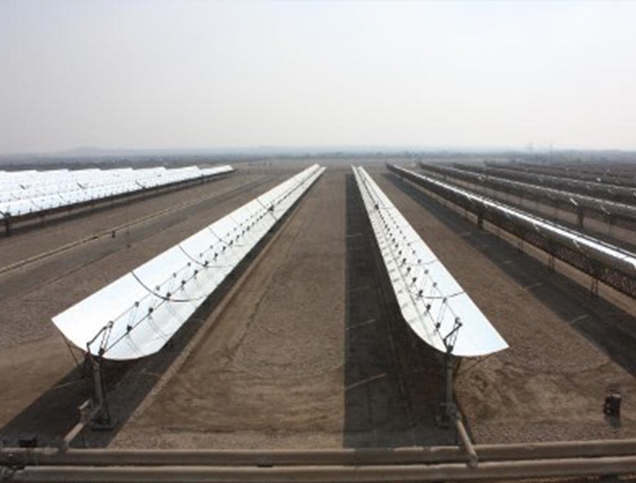
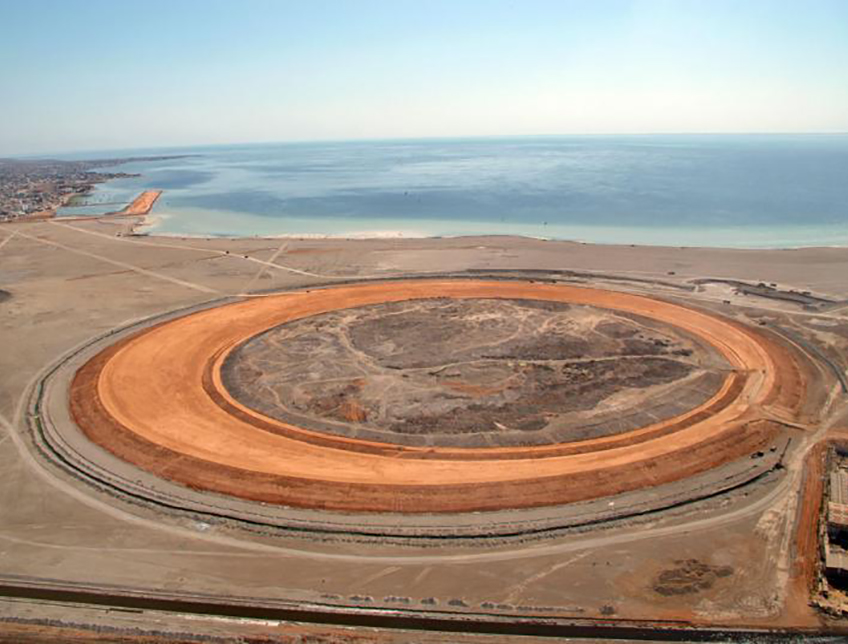
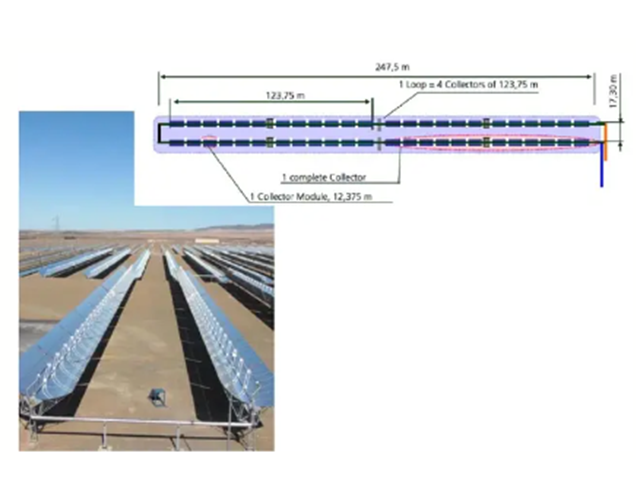
Title: Aerial view of the parabolic trough solar field at the Kuraymat ISCC plant, showing the parallel collector loop arrangement.
Source: Click Here
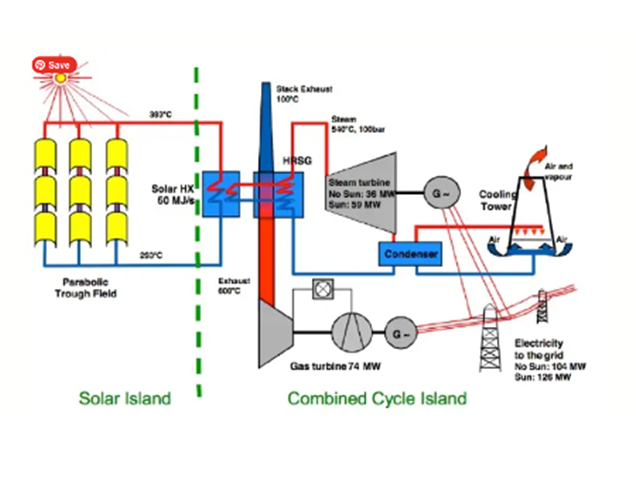
Title: Diagram of the solar collector assembly (SCA) and piping layout, detailing the heat transfer fluid (HTF) circuit.
Source: Click Here
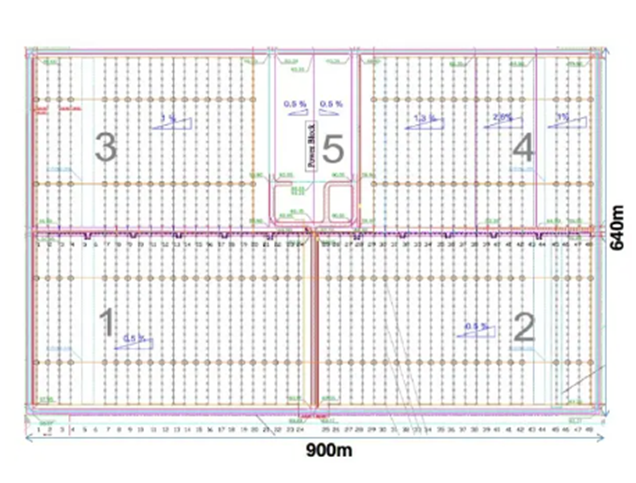
Title: Process schematic of the Kuraymat Integrated Solar Combined Cycle (ISCC) system, illustrating the integration of solar thermal energy with the gas turbine's heat recovery steam generator (HRSG).
Source: Click Here
Title: Process schematic of the Kuraymat Integrated Solar Combined Cycle (ISCC) system, illustrating the integration of solar thermal energy with the gas turbine's heat recovery steam generator (HRSG).
Source: Click Here
Title: Aerial view of the parabolic trough solar field at the Kuraymat ISCC plant, showing the parallel collector loop arrangement.
Source: Click Here
Title: Diagram of the solar collector assembly (SCA) and piping layout, detailing the heat transfer fluid (HTF) circuit.
Source: Click Here
Title: Process schematic of the Kuraymat Integrated Solar Combined Cycle (ISCC) system, illustrating the integration of solar thermal energy with the gas turbine's heat recovery steam generator (HRSG).
Source: Click Here
Title: Process schematic of the Kuraymat Integrated Solar Combined Cycle (ISCC) system, illustrating the integration of solar thermal energy with the gas turbine's heat recovery steam generator (HRSG).
Source: Click Here
To implement these objectives, the Kuraymat Solar Thermal Power Plant was designed with a total capacity of 140 MW, of which 20 MW derive from the solar field and the remainder from a natural-gas combined-cycle system.1011 The project’s key components include:
The solar field supplies up to 61 MW of thermal power under peak irradiance, reducing fuel consumption and emissions by substituting solar energy for part of the gas input.16 The total investment reached approximately 34.45 billion JPY (around USD 300 million), exceeding initial estimates due to global steel-price increases and equipment costs.17 Construction delays extended the completion to June 2011, when the plan was officially commissioned.18

Consultant/Designer

Consultant/Designer
The project was implemented and managed by Egypt’s New and Renewable Energy Authority (NREA),19 with Orascom Construction serving as the main contractor for the solar island and Iberdrola responsible for the conventional components.2021 Financing was provided jointly by the NREA, the Global Environment Facility (GEF), and Japanese ODA loan assistance.2223 The facility operates under a Build-Operate framework, supplying electricity directly to the national grid.24 Since commissioning, it has provided valuable operational experience with hybrid solar-gas technology and contributed to Egypt’s renewable-energy transition, despite initial technical and logistical challenges.25
Project Link
https://solarpaces.nrel.gov/project/iscc-kuraymat
Endnotes
References
An online library where you can explore relevant data on urban development in the Arab cities.
More



Lorem ipsum dolor sit amet consectetur. Lacus nibh neque erat massa elementum. Ultricies ante sed sed nunc massa ider.
Last updated 3 mins ago
Lorem ipsum dolor sit amet consectetur. Lacus nibh neque erat massa elementum. Ultricies ante sed sed nunc massa ider.
Last updated 3 mins ago
Lorem ipsum dolor sit amet consectetur. Lacus nibh neque erat massa elementum. Ultricies ante sed sed nunc massa ider.
Last updated 3 mins ago
Lorem ipsum dolor sit amet consectetur. Lacus nibh neque erat massa elementum. Ultricies ante sed sed nunc massa ider.
Last updated 3 mins ago
Lorem ipsum dolor sit amet consectetur. Lacus nibh neque erat massa elementum. Ultricies ante sed sed nunc massa ider.
Last updated 3 mins ago
Lorem ipsum dolor sit amet consectetur. Lacus nibh neque erat massa elementum. Ultricies ante sed sed nunc massa ider.
Last updated 3 mins ago