Close
Approach Words: Integrated City, Urban Livability, Urban Resilience
Public Policy Instruments: Physical Intervention, Planning
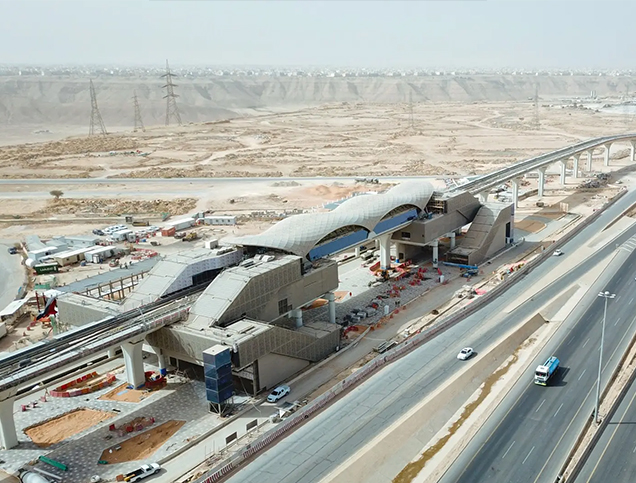
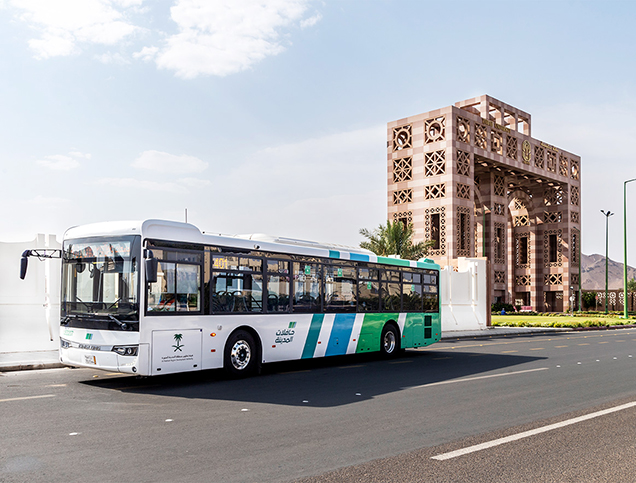
The Taxi and Bus Stations Project in Sana’a is a new public infrastructure initiative launched in 2022 to address the capital’s fragmented and congested urban transport system.1 It aims to merge modern infrastructure with local architectural styles to reduce congestion and improve urban mobility.2
The project envisions transforming Sana’a into a “model city for organized and efficient public transport”, improving connectivity while enhancing the urban environment.3
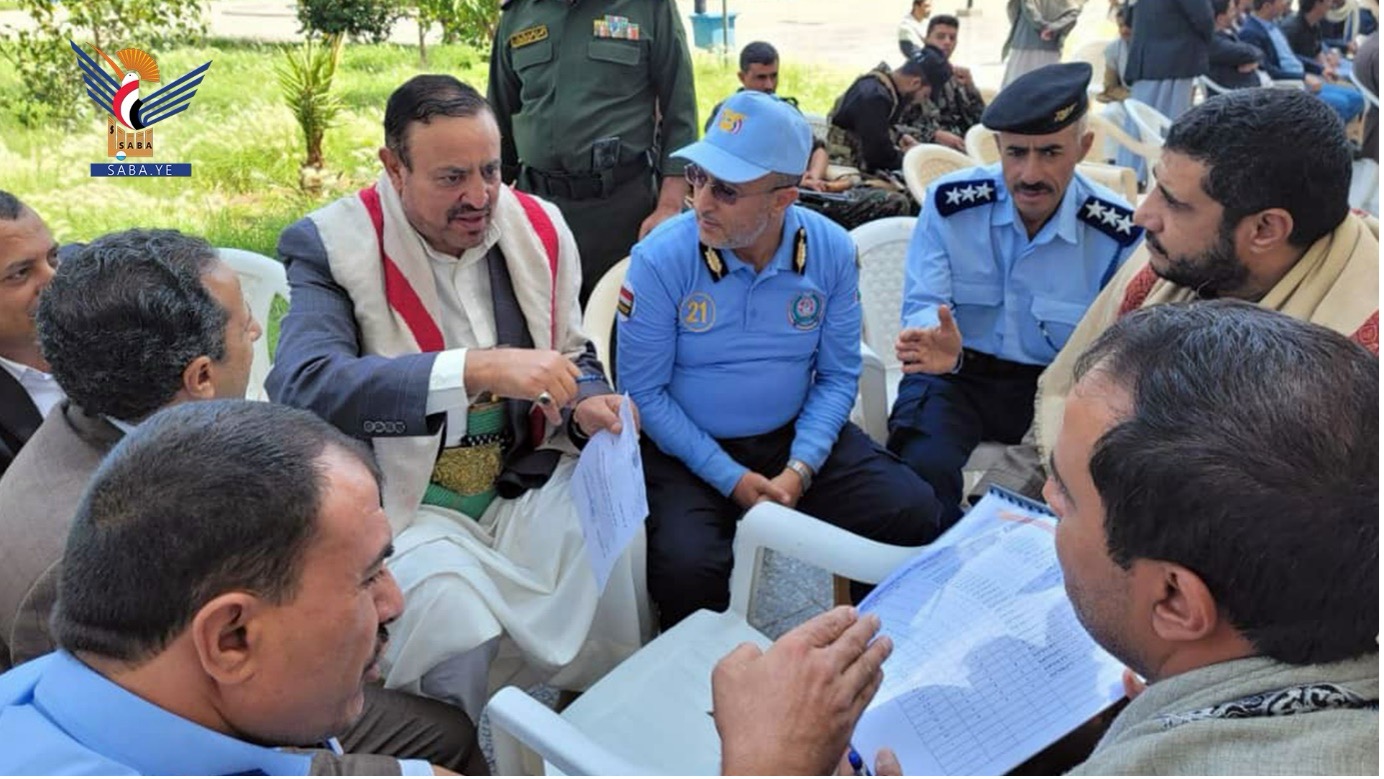
Title: A meeting was held today at the capital's secretariat to discuss preliminary measures for implementing a project
Source: Click Here
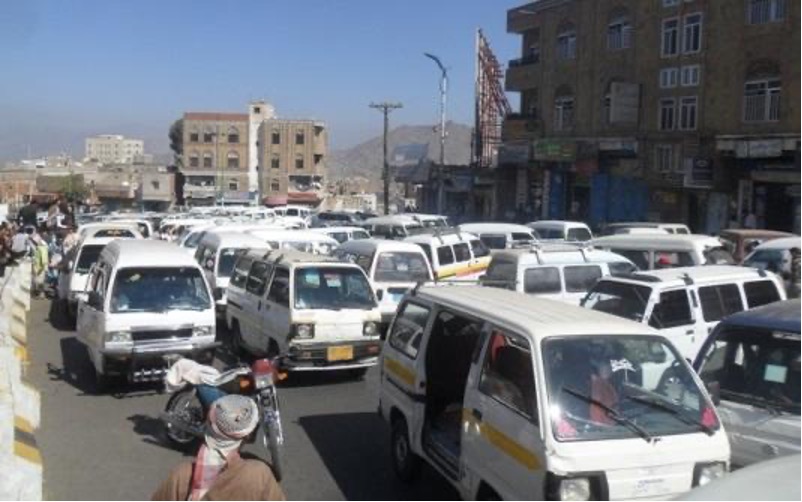
Title: The absence of proper stations for taxis and buses results in frequent traffic congestion
Source: Click Here
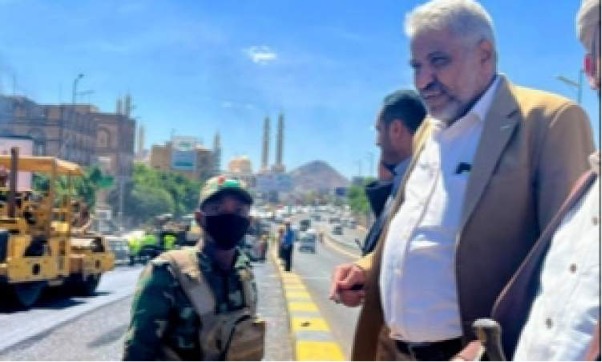
Title: During the development of roads and the establishment of station locations.
Source: Click Here
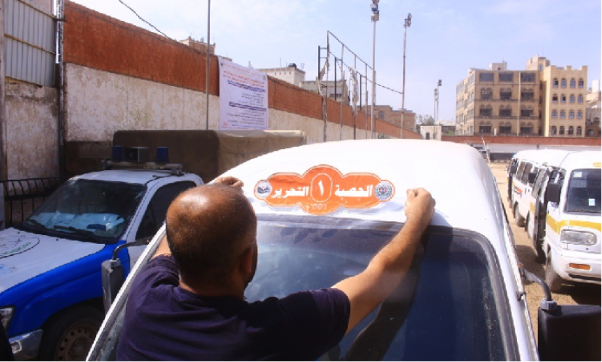
Title: free route stamps for taxi and bus services will be provided
Source: Click Here
Title: A meeting was held today at the capital's secretariat to discuss preliminary measures for implementing a project
Source: Click Here
Title: The absence of proper stations for taxis and buses results in frequent traffic congestion
Source: Click Here
Title: During the development of roads and the establishment of station locations.
Source: Click Here
Title: free route stamps for taxi and bus services will be provided
Source: Click Here
It seeks to modernize the city’s transport infrastructure by introducing centralized hubs for taxis and buses, regulating informal transport and parking, and enhancing road safety. Aligned with Yemen’s National Urban Transport Strategy,4 the project directly responds to the urban mobility and infrastructure challenges amid rapid population growth and increasing urbanization.5
To achieve the vision, the project focuses on strategic locations across Sana’a, prioritizing three major streets; Taiz, Airport, and Al-Zubairi. Prioritizing functionality and cultural relevance,6 key features include:

Owner/Developer (Public)

Contractor/Implementer
Owner/Developer (Public)
Contractor/Implementer
The project is spearheaded by Yemen’s Ministry of Transport in collaboration with Sana’a local authorities and international donors.10 Implementation follows a phased approach:
Project Link
Endnotes
N.A.
References
An online library where you can explore relevant data on urban development in the Arab cities.
More




Lorem ipsum dolor sit amet consectetur. Lacus nibh neque erat massa elementum. Ultricies ante sed sed nunc massa ider.
Last updated 3 mins ago
Lorem ipsum dolor sit amet consectetur. Lacus nibh neque erat massa elementum. Ultricies ante sed sed nunc massa ider.
Last updated 3 mins ago
Lorem ipsum dolor sit amet consectetur. Lacus nibh neque erat massa elementum. Ultricies ante sed sed nunc massa ider.
Last updated 3 mins ago
Lorem ipsum dolor sit amet consectetur. Lacus nibh neque erat massa elementum. Ultricies ante sed sed nunc massa ider.
Last updated 3 mins ago
Lorem ipsum dolor sit amet consectetur. Lacus nibh neque erat massa elementum. Ultricies ante sed sed nunc massa ider.
Last updated 3 mins ago
Lorem ipsum dolor sit amet consectetur. Lacus nibh neque erat massa elementum. Ultricies ante sed sed nunc massa ider.
Last updated 3 mins ago