Close
Approach Words: Future City, Smart Mobility, Sustainability
Public Policy Instruments: Organization, Physical Intervention, Planning, Regulatory
Hyperloop UAE is an ambitious transportation revolutionizing project in the United Arab Emirates,1 designed to redefine intercity travel across the country.2 By significantly reducing travel time between key cities, the project supports the country’s broader vision of developing advanced and sustainable transport solutions.3
Envisioned as a transformative leap in transport, Hyperloop UAE aims to create a high-speed, eco-friendly, and efficient transit system4 5 capable to transport both passengers and freight, while connecting major urban centers such as Abu Dhabi and Dubai.6 7 The project involves extensive planning and testing, including the construction of a full-scale prototype track for testing the hyperloop pods.8
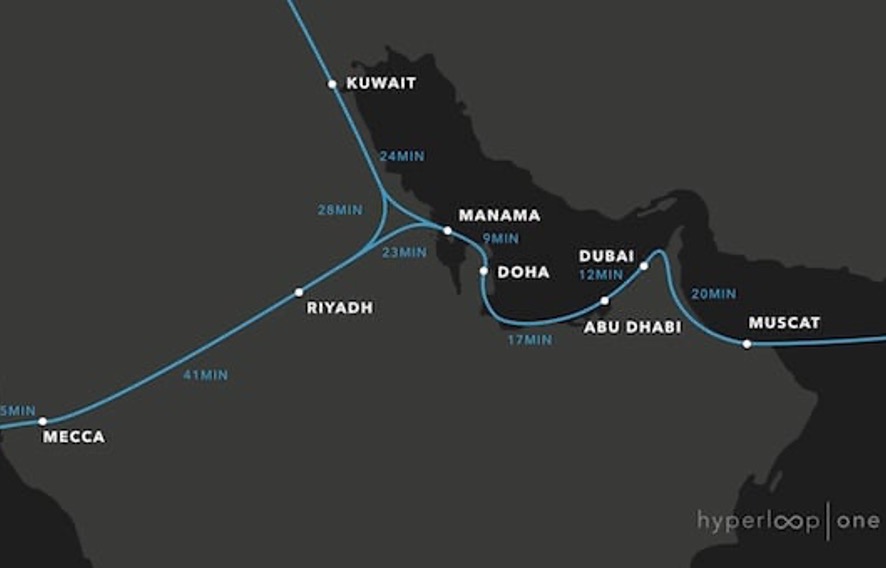
Title: Hyperloop routes connecting major cities in the Gulf Cooperation Council.
Source: Click Here
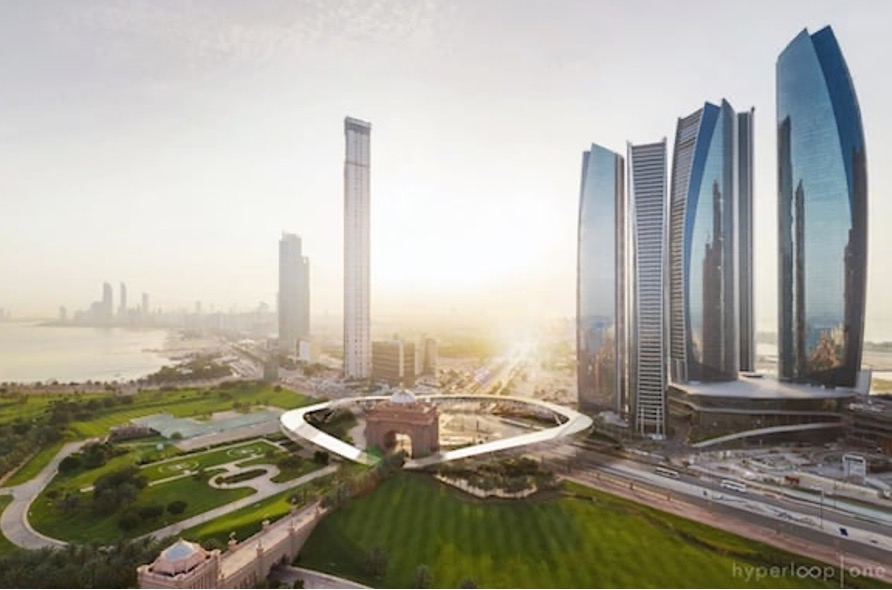
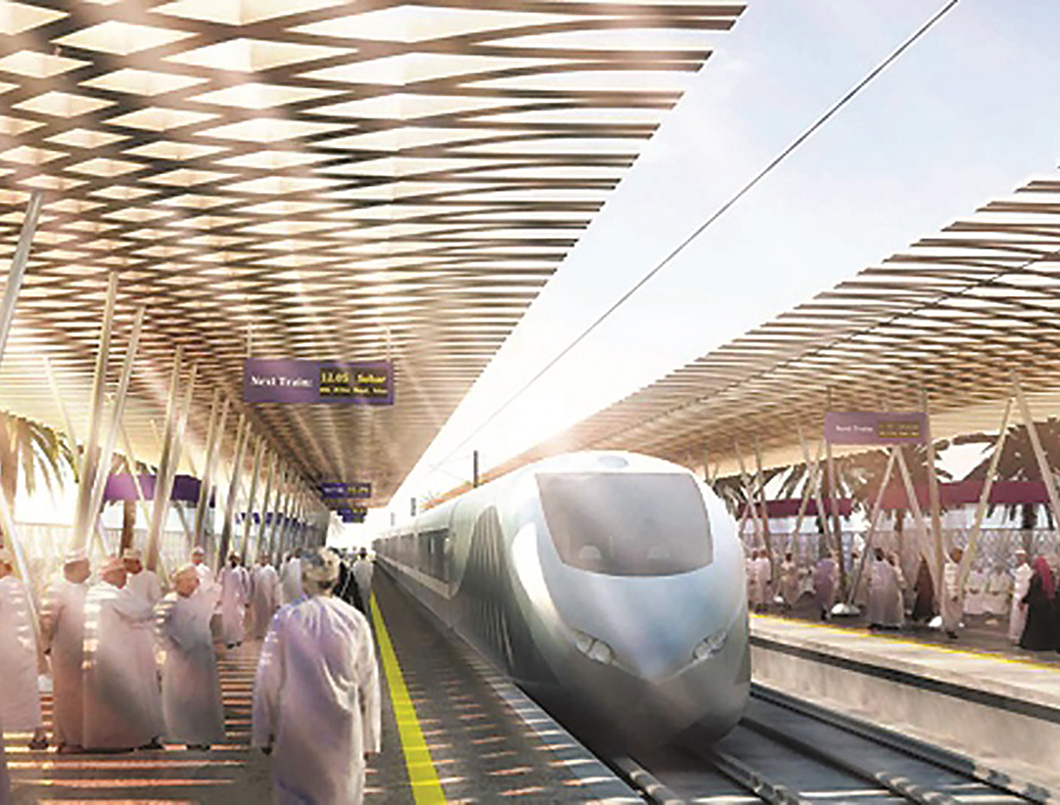
Title: Conceptual design rendered of a Future Hyperloop Station in Dubai
Source: Click Here
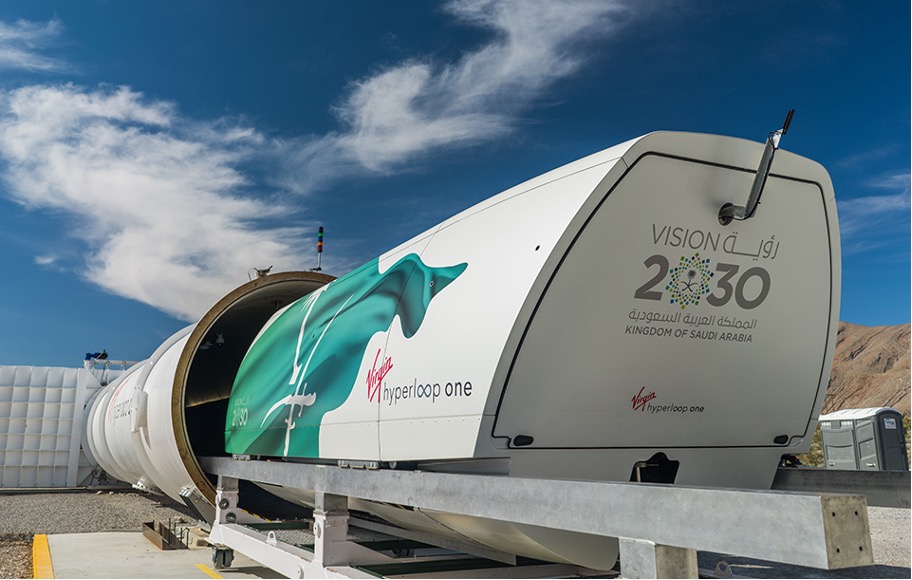
Title: Virgin Hyperloop's futuristic pod gleams, showcasing the technology poised to revolutionize high-speed transportation.
Source: Click Here

Title: Future Control Station for Managing Hyperloop Operations in Dubai.
Source: Click Here
Title: Hyperloop routes connecting major cities in the Gulf Cooperation Council.
Source: Click Here
Title: Conceptual design rendered of a Future Hyperloop Station in Dubai
Source: Click Here
Title: Virgin Hyperloop's futuristic pod gleams, showcasing the technology poised to revolutionize high-speed transportation.
Source: Click Here
Title: Future Control Station for Managing Hyperloop Operations in Dubai.
Source: Click Here
Hyperloop UAE utilizes cutting-edge vacuum tube technology,9 enabling passenger pods to travel at near-supersonic speeds through low-pressure tubes.10 11 These pods, designed to accommodate up to 28 passengers,12 can transport both people and cargo while being powered by renewable energy sources.13 14 The system incorporates advanced artificial intelligence capabilities to ensure safety and efficiency, allowing for real-time monitoring and autonomous operation.15
The Hyperloop system is more energy-efficient and cost-effective than traditional transportation options,16 with the potential to reach speeds of up to 1,123 km/h.17 Its elevated tube infrastructure minimizes land use,18 reducing environmental impact and preserving natural landscapes.19 The sleek, aerodynamic design of the pods minimizes air resistance,20 further enhancing energy efficiency.21
Safety and AI integration are key features of Hyperloop UAE’s design, with the system capable of detecting and responding to issues autonomously.22 For instance, if a pod encounters a problem, the system can automatically reroute other pods to maintain service continuity and ensure passenger safety.23
The Hyperloop project is overseen by the Roads and Transport Authority (RTA)24 and funded by a combination of private investment and government support, with DP World playing a key role as major investor.25 The project’s initial development was led by Dirk Ahlborn, CEO of Virgin Hyperloop, formerly known as Hyperloop Transportation Technologies (Hyperloop TT).26 The UAE government, represented by RTA, oversees the Hyperloop system’s testing and implementation, ensuring adherence to safety and regulatory standards.27 The project involves a network of engineering and technology consultants, with the design led by HyperloopTT in collaboration with other firms. Construction and implementation are carried out by various contractors, under the primary oversight and execution of RTA and HyperloopTT.28

Owner/Developer (Public)

Owner/Developer

Funder
Owner/Developer (Public)
Owner/Developer
Funder
The implementation of Hyperloop UAE undergoes several phases:
Project Link
Endnotes
N.A.
References
An online library where you can explore relevant data on urban development in the Arab cities.
More









Lorem ipsum dolor sit amet consectetur. Lacus nibh neque erat massa elementum. Ultricies ante sed sed nunc massa ider.
Last updated 3 mins ago
Lorem ipsum dolor sit amet consectetur. Lacus nibh neque erat massa elementum. Ultricies ante sed sed nunc massa ider.
Last updated 3 mins ago
Lorem ipsum dolor sit amet consectetur. Lacus nibh neque erat massa elementum. Ultricies ante sed sed nunc massa ider.
Last updated 3 mins ago
Lorem ipsum dolor sit amet consectetur. Lacus nibh neque erat massa elementum. Ultricies ante sed sed nunc massa ider.
Last updated 3 mins ago
Lorem ipsum dolor sit amet consectetur. Lacus nibh neque erat massa elementum. Ultricies ante sed sed nunc massa ider.
Last updated 3 mins ago
Lorem ipsum dolor sit amet consectetur. Lacus nibh neque erat massa elementum. Ultricies ante sed sed nunc massa ider.
Last updated 3 mins ago