Close
Approach Words: Efficiency, Urban Livability, Urban Resilience
Public Policy Instruments: Financial Mechanism, Organization, Physical Intervention, Planning
The Rehabilitation of Port of Aden is an infrastructure-focused project focused on restoring and modernizing key port facilities in southern Yemen to stimulate economic recovery in a conflict-affected context.1
The project envisions a “revitalized and operationally efficient” Port of Aden that supports Yemen’s humanitarian and commercial needs while contributing to national economic recovery and regional trade competitiveness. The project seeks to rehabilitate essential infrastructure, notably two damaged transit sheds, and digitalize port operations to improve logistics efficiency, ensure safe storage of cargo, and reduce maritime delays. By enhancing the port’s cargo handling capacity, the initiative supports broader goals in economic resilience, humanitarian aid logistics, and trade facilitation.2 3
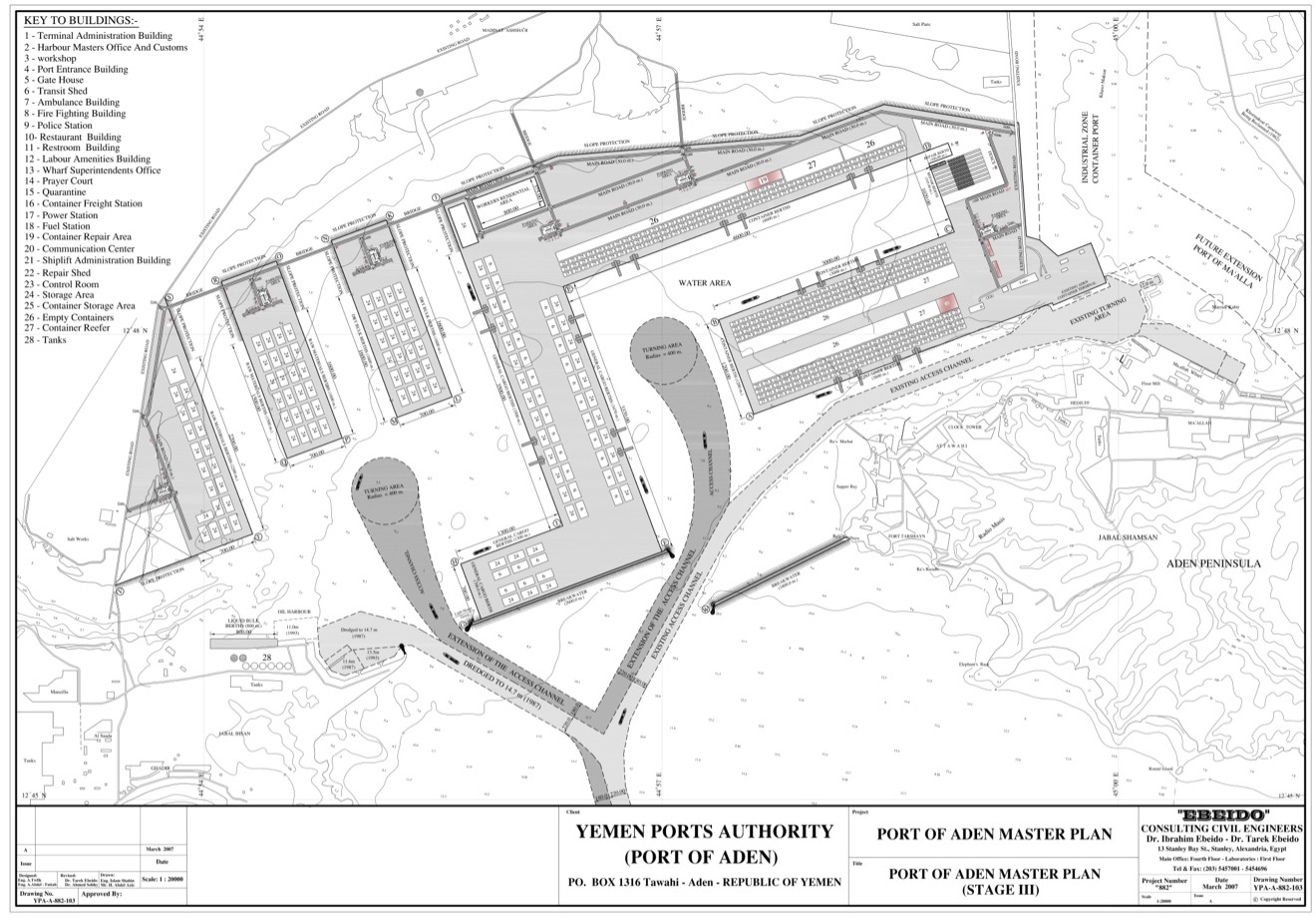
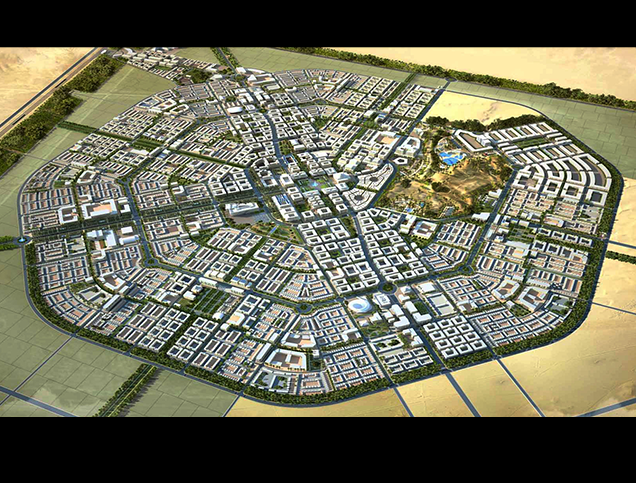
Title: The Master Plan (stage 3) of Port of Aden.
Source: Click Here
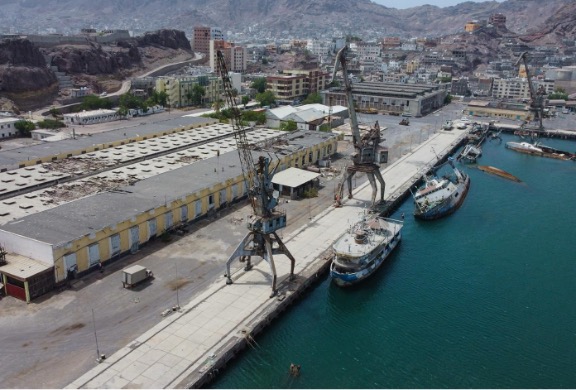
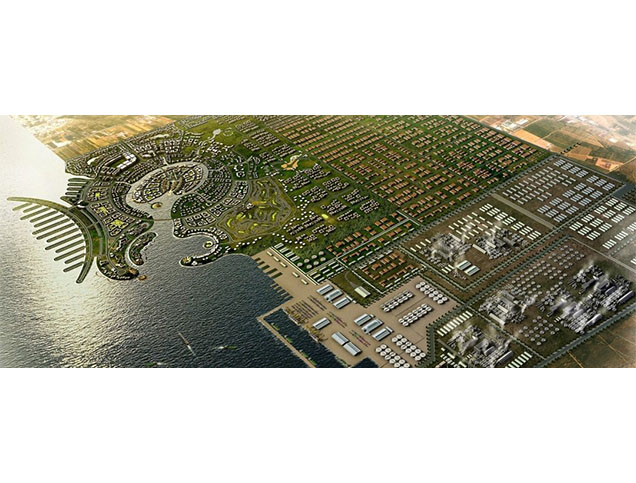
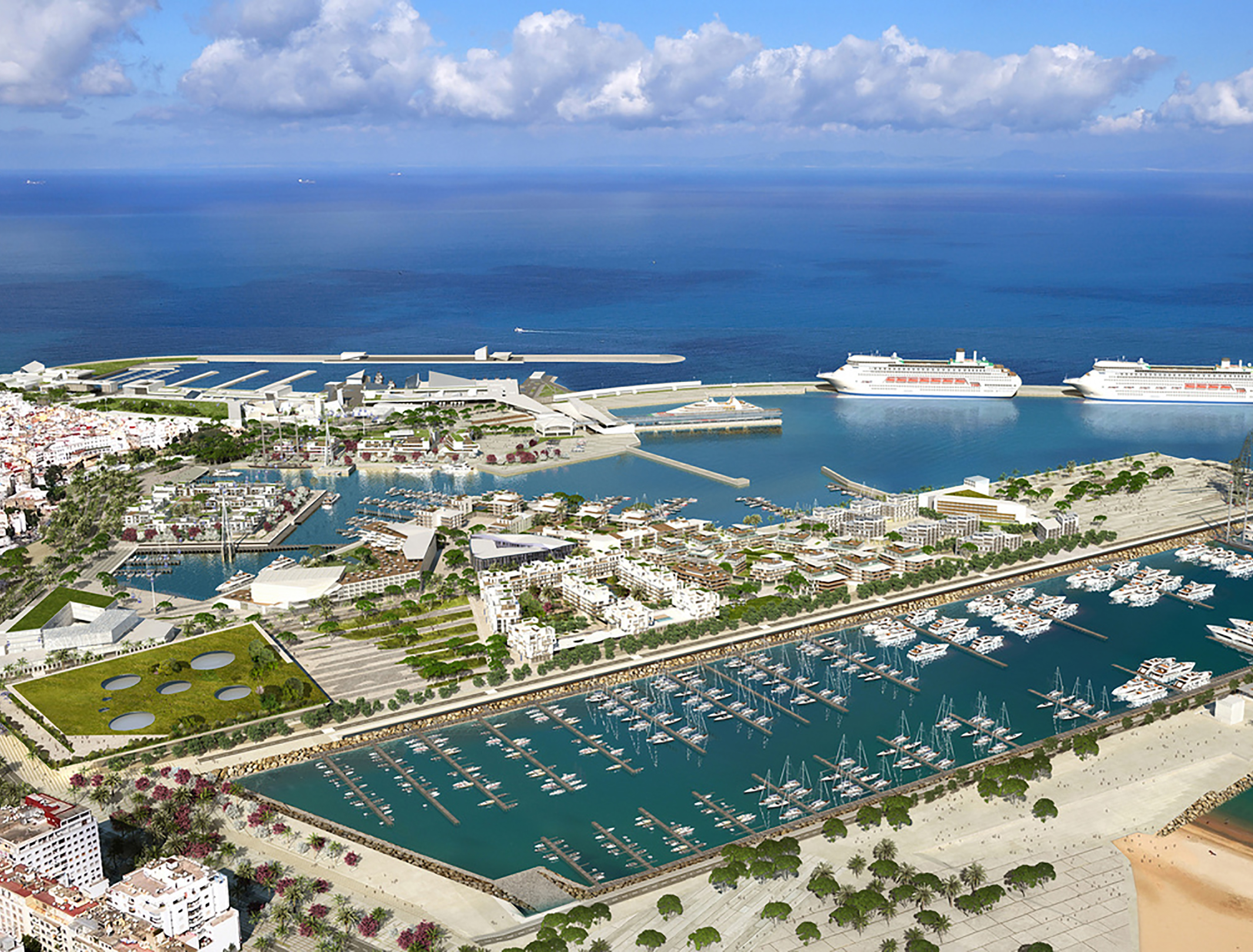
Title: Arial view to Port of Aden.
Source: Click Here
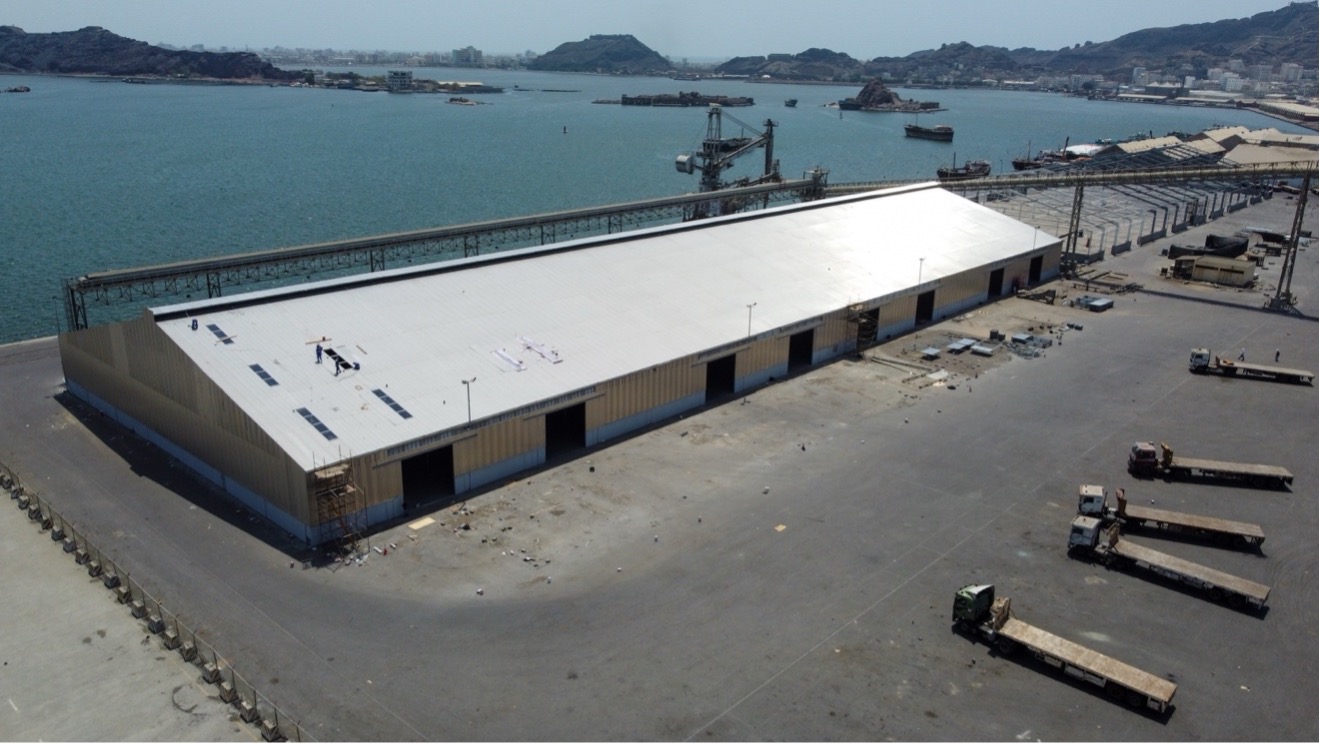
Title: Aerial photo of the two transit sheds in the Port of Aden; transit shed one (front) with near completion, while transit shed two (back) under construction.
Source: Click Here
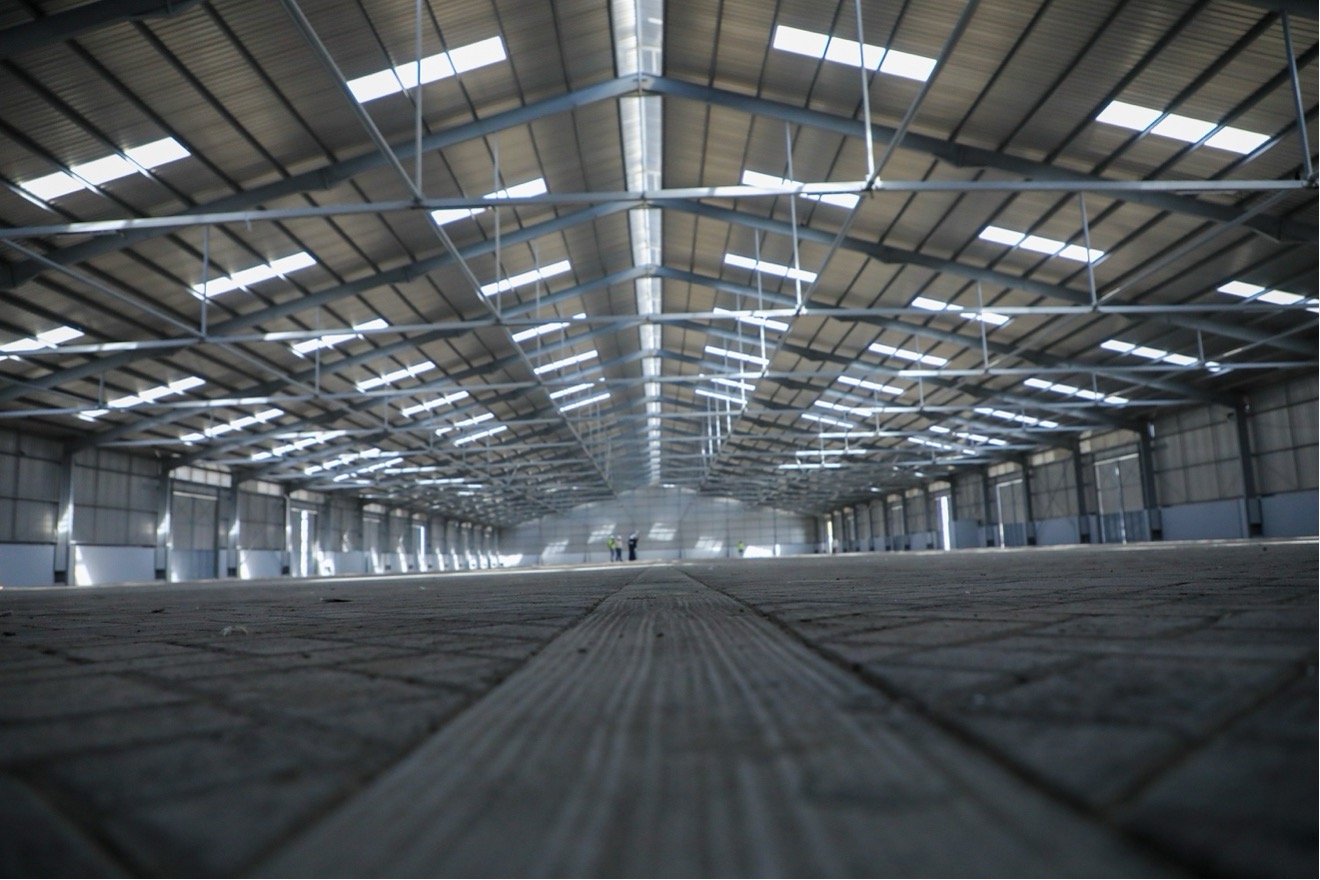
Title: A photo from inside transit shed number one.
Source: Click Here
Title: The Master Plan (stage 3) of Port of Aden.
Source: Click Here
Title: Arial view to Port of Aden.
Source: Click Here
Title: Aerial photo of the two transit sheds in the Port of Aden; transit shed one (front) with near completion, while transit shed two (back) under construction.
Source: Click Here
Title: A photo from inside transit shed number one.
Source: Click Here
The project includes the following components:4 5
The master plan’s approach is realized through the physical rehabilitation of Sheds One and Two, previously rendered unusable due to conflict. By restoring these facilities and upgrading digital systems, the project enables secure storage close to berths, eliminating the need to transfer goods to remote warehouses and accelerating ship-to-shore logistics.6 7
A separate but complementary initiative includes widening and deepening of the port’s approach channel to accommodate larger vessels, expanding Aden’s long-term maritime capacity.8 The project also includes digital upgrades, including the introduction of a wireless communication system at the Aden Container Terminal.9
The project reflects resilience, operational efficiency, and inclusive economic recovery. By targeting port infrastructure, which is a critical economic node, the project ensures continuity of humanitarian flows, reduction of storage-related losses, and enhanced trade services. The project also underscores the value of international cooperation and sustainable development in post-conflict recovery.10 11

Consultant/Designer

Contractor/Implementer
Contractor/Implementer
Consultant/Designer
The project is managed by the Yemeni government through the Ministry of Transport, working with foreign partners such as the Government of Japan and the United Nations Development Programme (UNDP).12 13 The Kuwait Fund for Arab Economic Development provides co-funding support, and the Yemen Gulf of Aden Ports Corporation (YGAPC) and local labor force oversee implementation.14 Development happens in stages:
Although operational efficiency statistics are clearly documented, ongoing efforts are concentrated on finishing the integration of digital systems. Upcoming stages involve expanding and strengthening access channels as well as the restoration of the Port of Mukalla’s tugboat and slipway facilities.18
Project Link
Endnotes
N.A.
References
An online library where you can explore relevant data on urban development in the Arab cities.
More









Lorem ipsum dolor sit amet consectetur. Lacus nibh neque erat massa elementum. Ultricies ante sed sed nunc massa ider.
Last updated 3 mins ago
Lorem ipsum dolor sit amet consectetur. Lacus nibh neque erat massa elementum. Ultricies ante sed sed nunc massa ider.
Last updated 3 mins ago
Lorem ipsum dolor sit amet consectetur. Lacus nibh neque erat massa elementum. Ultricies ante sed sed nunc massa ider.
Last updated 3 mins ago
Lorem ipsum dolor sit amet consectetur. Lacus nibh neque erat massa elementum. Ultricies ante sed sed nunc massa ider.
Last updated 3 mins ago
Lorem ipsum dolor sit amet consectetur. Lacus nibh neque erat massa elementum. Ultricies ante sed sed nunc massa ider.
Last updated 3 mins ago
Lorem ipsum dolor sit amet consectetur. Lacus nibh neque erat massa elementum. Ultricies ante sed sed nunc massa ider.
Last updated 3 mins ago