Close
Approach Words: Environment Preservation, Participatory Approach, Sustainability
Public Policy Instruments: Communicative, Physical Intervention, Planning
The E-Waste Recycling Project is a pioneering national waste management initiative launched in Amman other Jordanian cities to establish a safe and environmentally responsible system for the collection, transportation, and recycling of electrical and electronic waste (e-waste).1 The project aims to eliminate hazardous disposal practices and mitigate the health and environmental risks posed by unmanaged e-waste.2 3
The project envisions “a national model for safe and sustainable e-waste management”, aligned with international conventions and best practices, contributing to Jordan’s broader environmental protection strategy and circular economy transition.4
It also seeks to ensure sound environmental management of waste by promoting waste governance enhancement systems.5 It contributes to Jordan’s compliance with the Basel and Stockholm Conventions,6 and supports sustainable development through resource recovery, pollution control and behavioral change.7
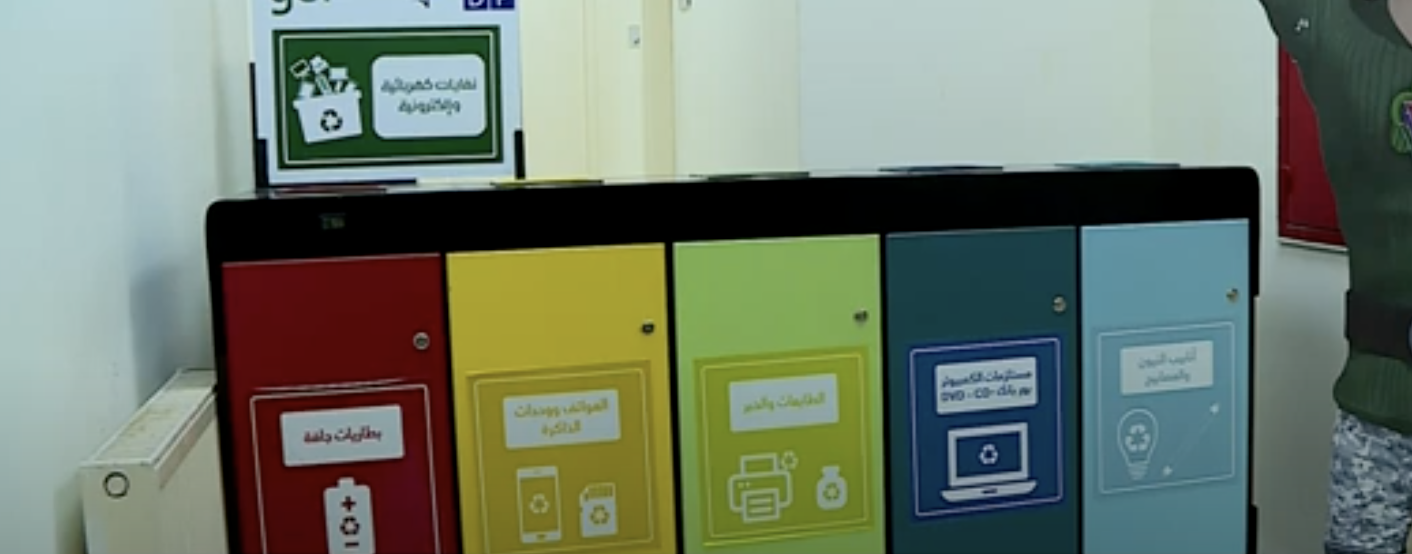
Title: E-Waste Recycling Bins in Amman.
Source: Click Here
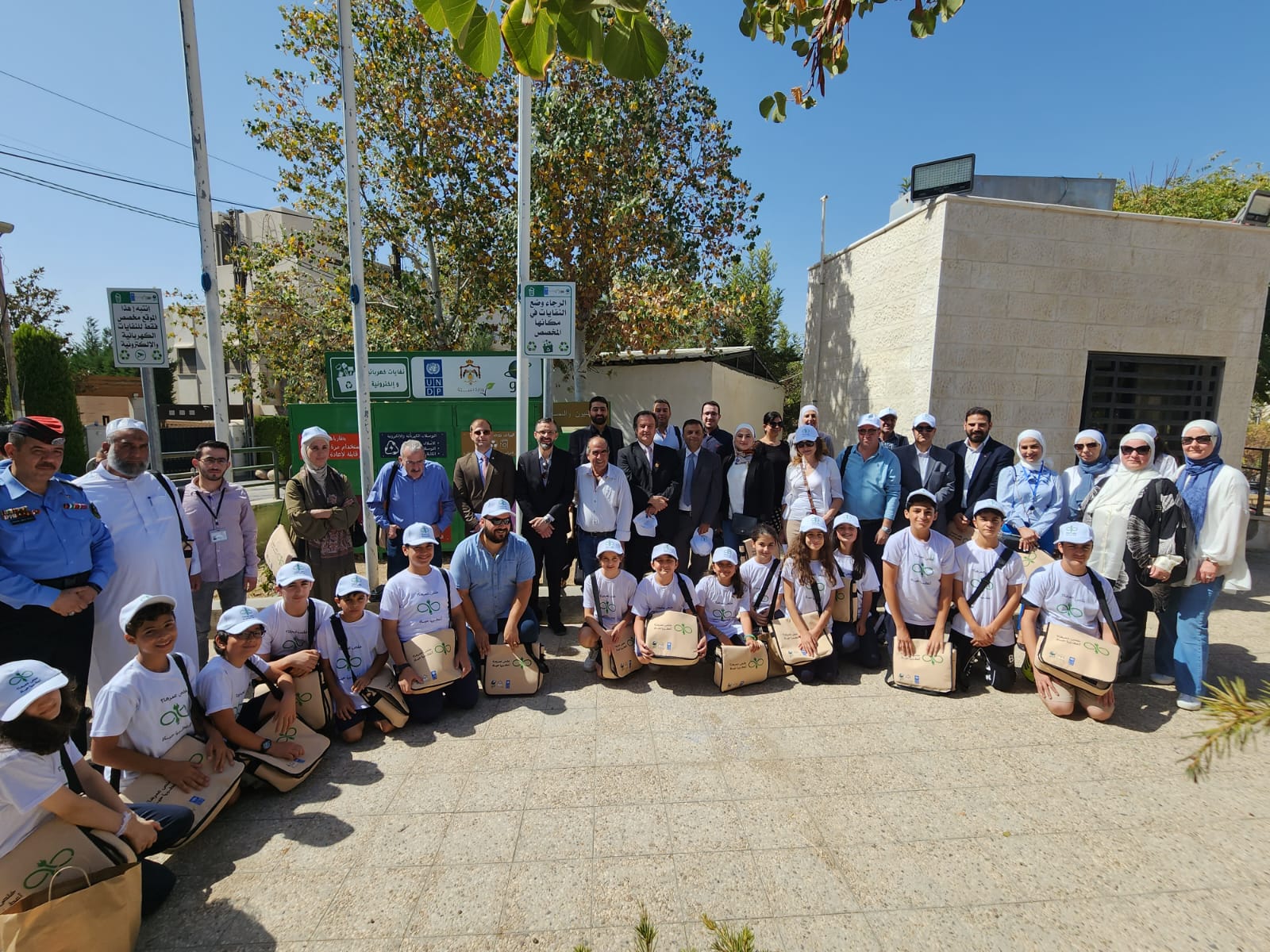
Title: Awareness Campaign in one of the E-Waste Collection Sites.
Source: Click Here
Title: E-Waste Recycling Bins in Amman.
Source: Click Here
Title: Awareness Campaign in one of the E-Waste Collection Sites.
Source: Click Here
To implement this vision, the project applies an integrated national waste governance model supported by a set of instruments:8 9
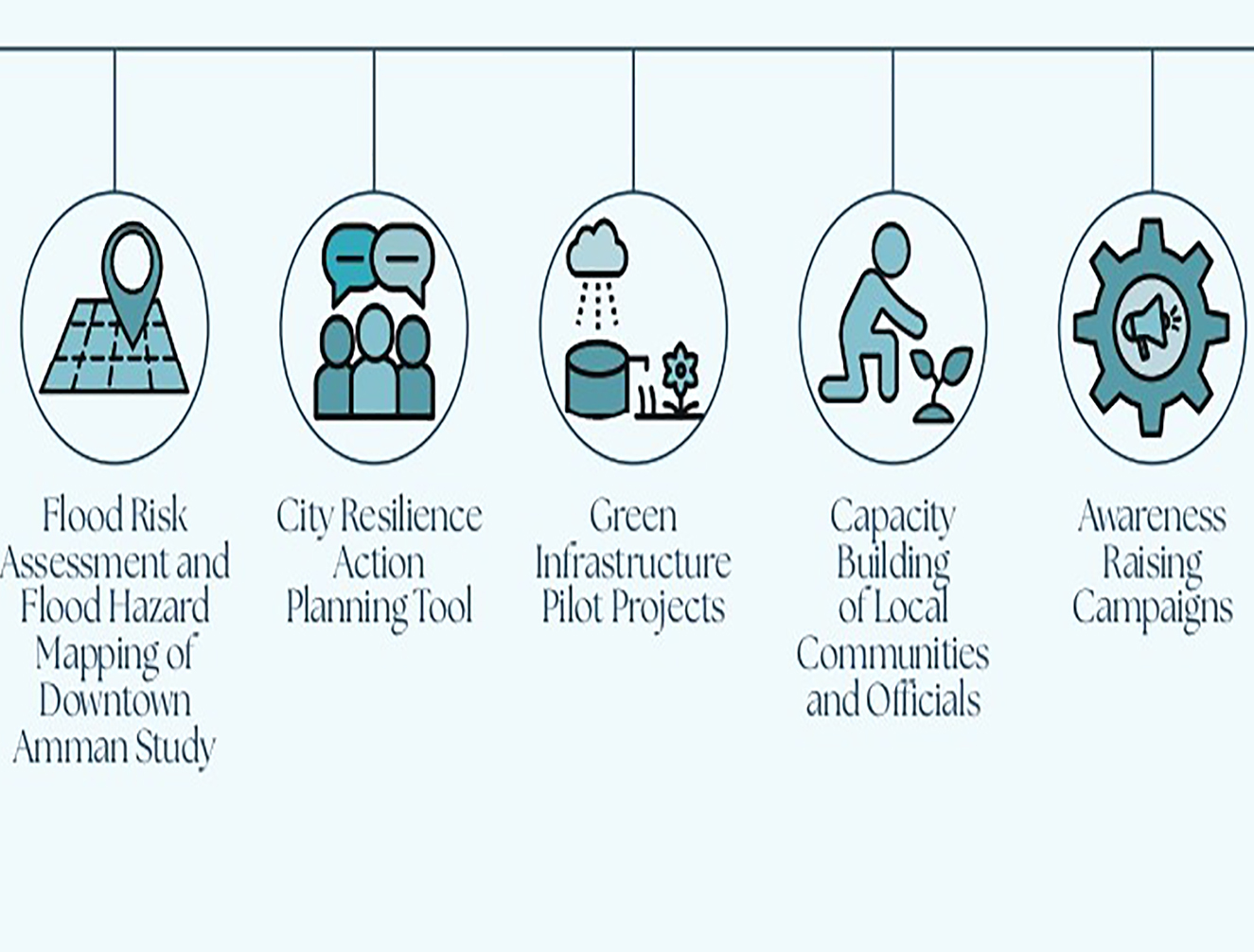
As part of its core strategy, the project has key operational components that include:10
To achieve the goals, the project launches public awareness campaigns to shift public behavior around e-waste, promotes behavioral change through citizen engagement and public education, and supports environmental health through pollution reduction; a shift towards sustainable consumption and circular economy practices.11

Owner/Developer (Public)

Owner/Developer
Owner/Developer (Public)
Owner/Developer
The project is led by the Ministry of Environment12 in collaboration with the United Nations Development Programme (UNDP).13 It is implemented in partnership with the Greater Amman Municipality (GAM) in the operational phase, certified private waste management companies.
academic and research institutions, and non-governmental organizations (NGOs).14
The E-Waste Recycling, currently operational in Amman, is financially supported by the Global Environment Facility (GEF), with a total funding of approximately $5 million provided through UNDP.15
Project Link
Endnotes
N.A.
References
An online library where you can explore relevant data on urban development in the Arab cities.
More








Lorem ipsum dolor sit amet consectetur. Lacus nibh neque erat massa elementum. Ultricies ante sed sed nunc massa ider.
Last updated 3 mins ago
Lorem ipsum dolor sit amet consectetur. Lacus nibh neque erat massa elementum. Ultricies ante sed sed nunc massa ider.
Last updated 3 mins ago
Lorem ipsum dolor sit amet consectetur. Lacus nibh neque erat massa elementum. Ultricies ante sed sed nunc massa ider.
Last updated 3 mins ago
Lorem ipsum dolor sit amet consectetur. Lacus nibh neque erat massa elementum. Ultricies ante sed sed nunc massa ider.
Last updated 3 mins ago
Lorem ipsum dolor sit amet consectetur. Lacus nibh neque erat massa elementum. Ultricies ante sed sed nunc massa ider.
Last updated 3 mins ago
Lorem ipsum dolor sit amet consectetur. Lacus nibh neque erat massa elementum. Ultricies ante sed sed nunc massa ider.
Last updated 3 mins ago