Close
Approach Words: Comprehensive Management, Sustainability, Urban Resilience
Public Policy Instruments: Financial Mechanism, Planning, Regulatory
Be’ah’s Circular Economy (CE) Strategy is a comprehensive urban initiative in Oman designed to modernize waste management practices through incorporating principles of CE into the country’s policies.1 It supports Oman Vision 2040 and aligns with the United Nations Sustainable Development Goals (SDGs).2
The strategy envisions a “sustainable Oman”, by promoting minimal waste generation, efficient resources utilization, and a strong focus on environmental well-being.3
Be’ah’s CE strategy aims to reduce landfill dependency, enhance recycling and reuse, and implement innovative energy-efficient technologies.4 Through this integrated approach, Be’ah’ seeks to reduce its carbon footprint and promote environmental stewardship.5
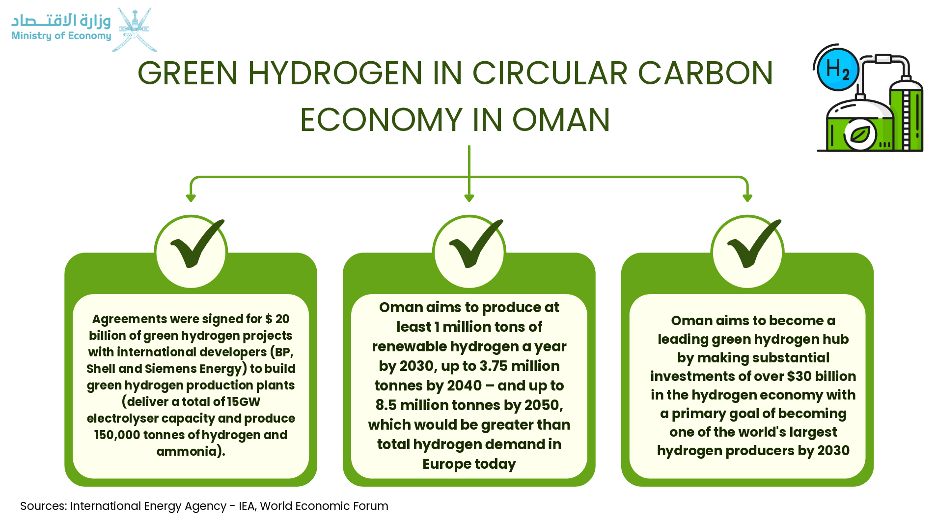
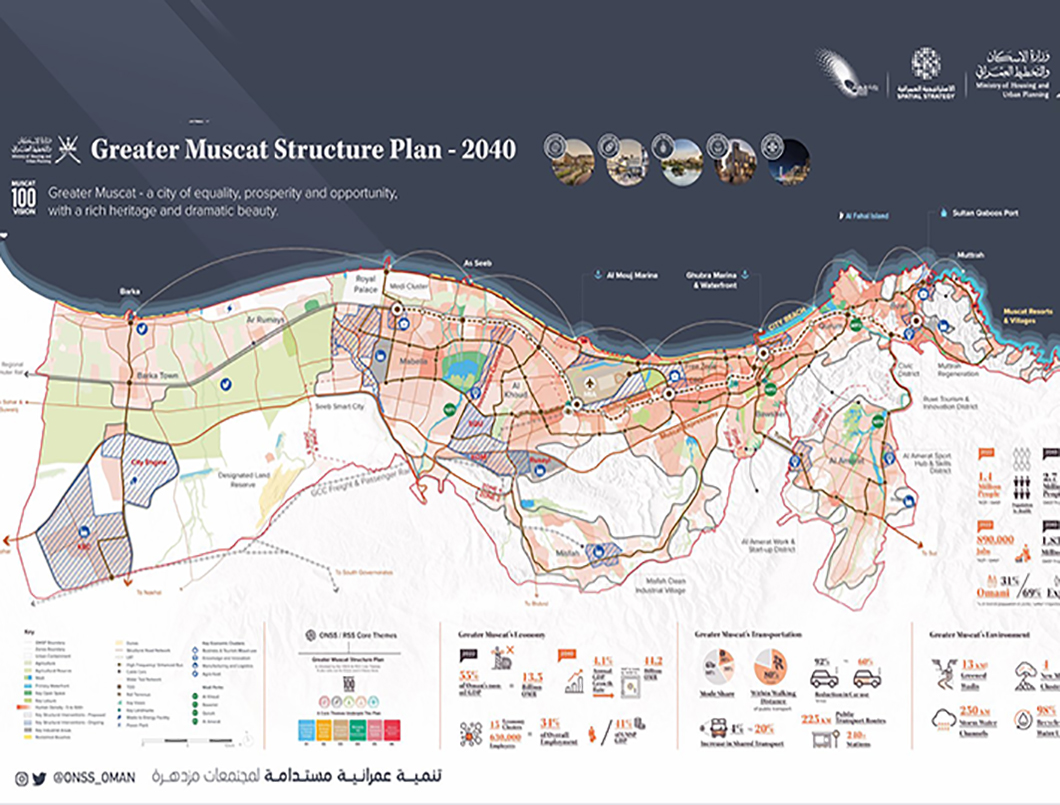
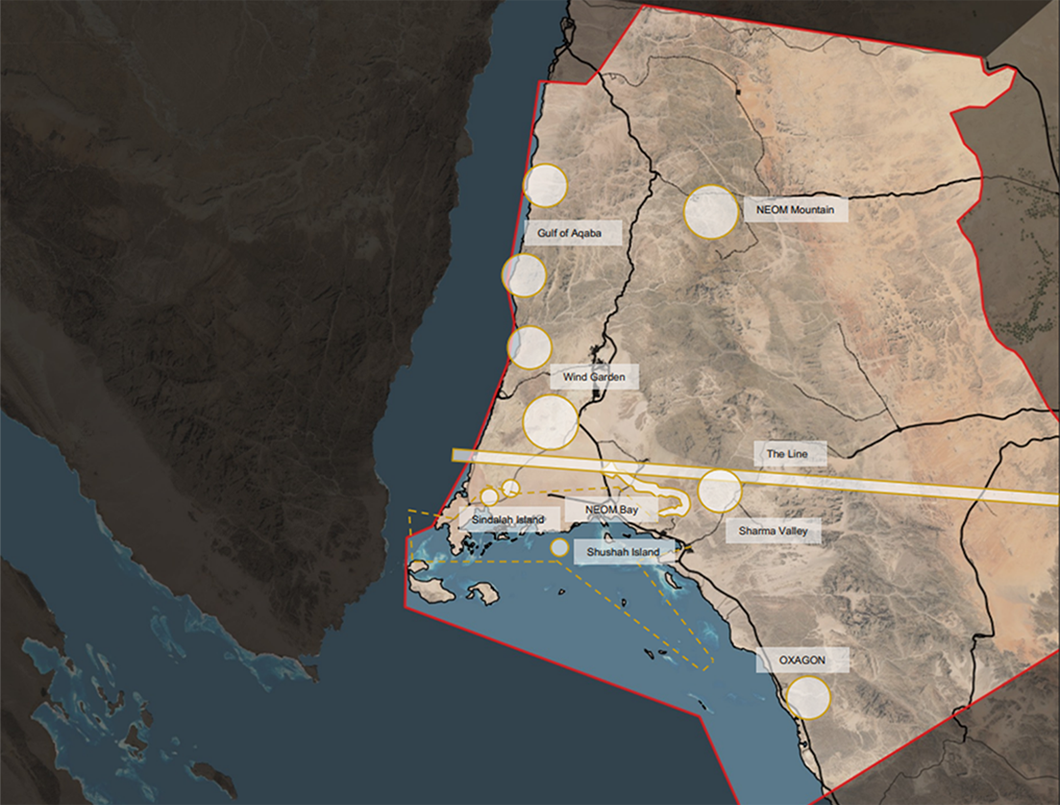
Title: Green hydrogen in circular carbon economy in Oman Strategy.
Source: Click Here
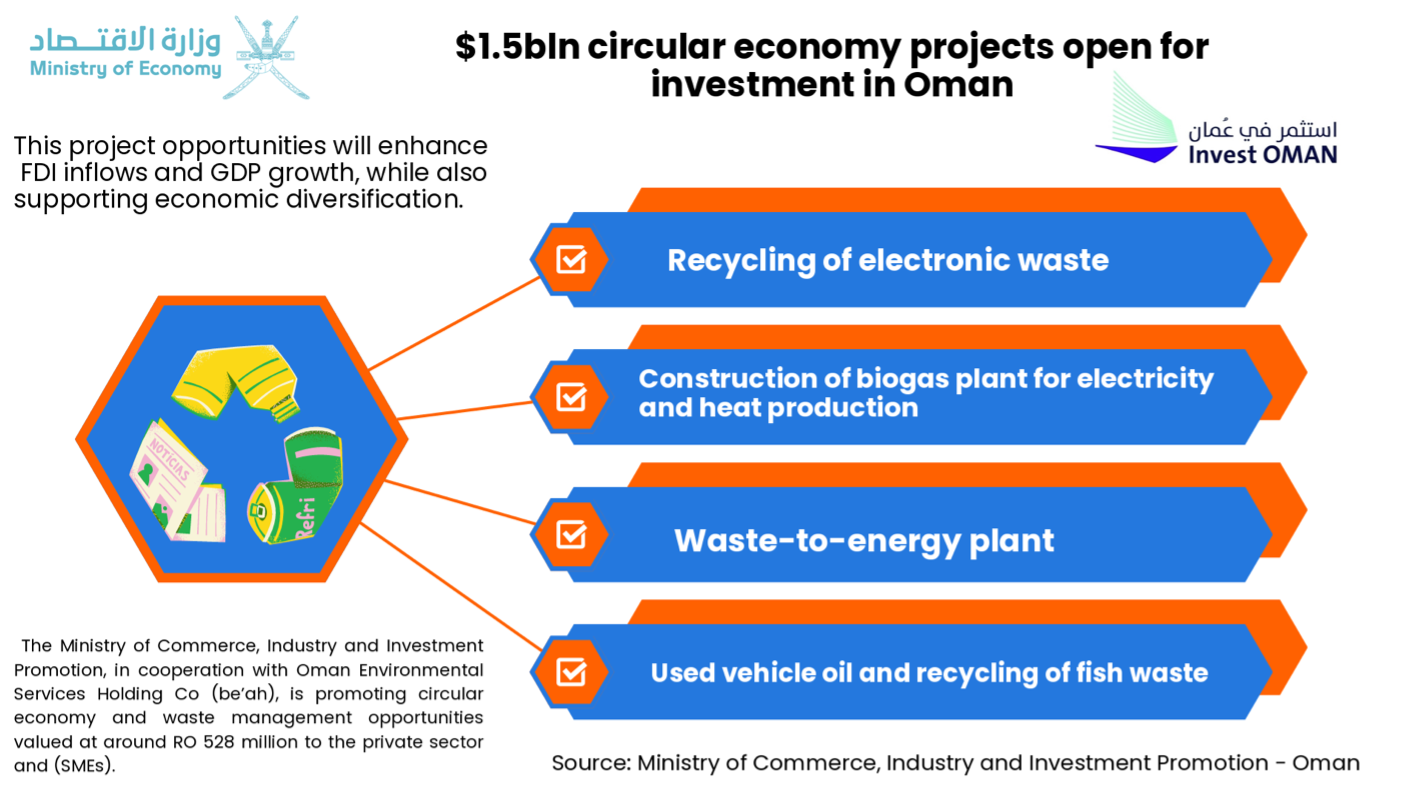
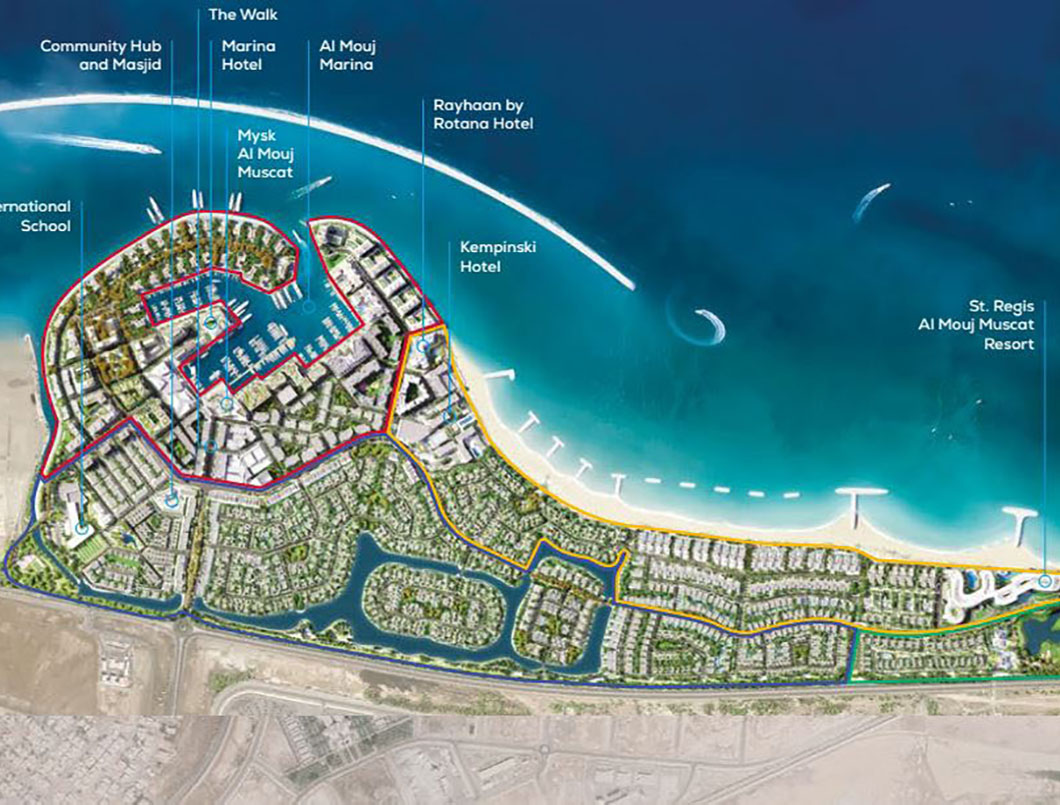
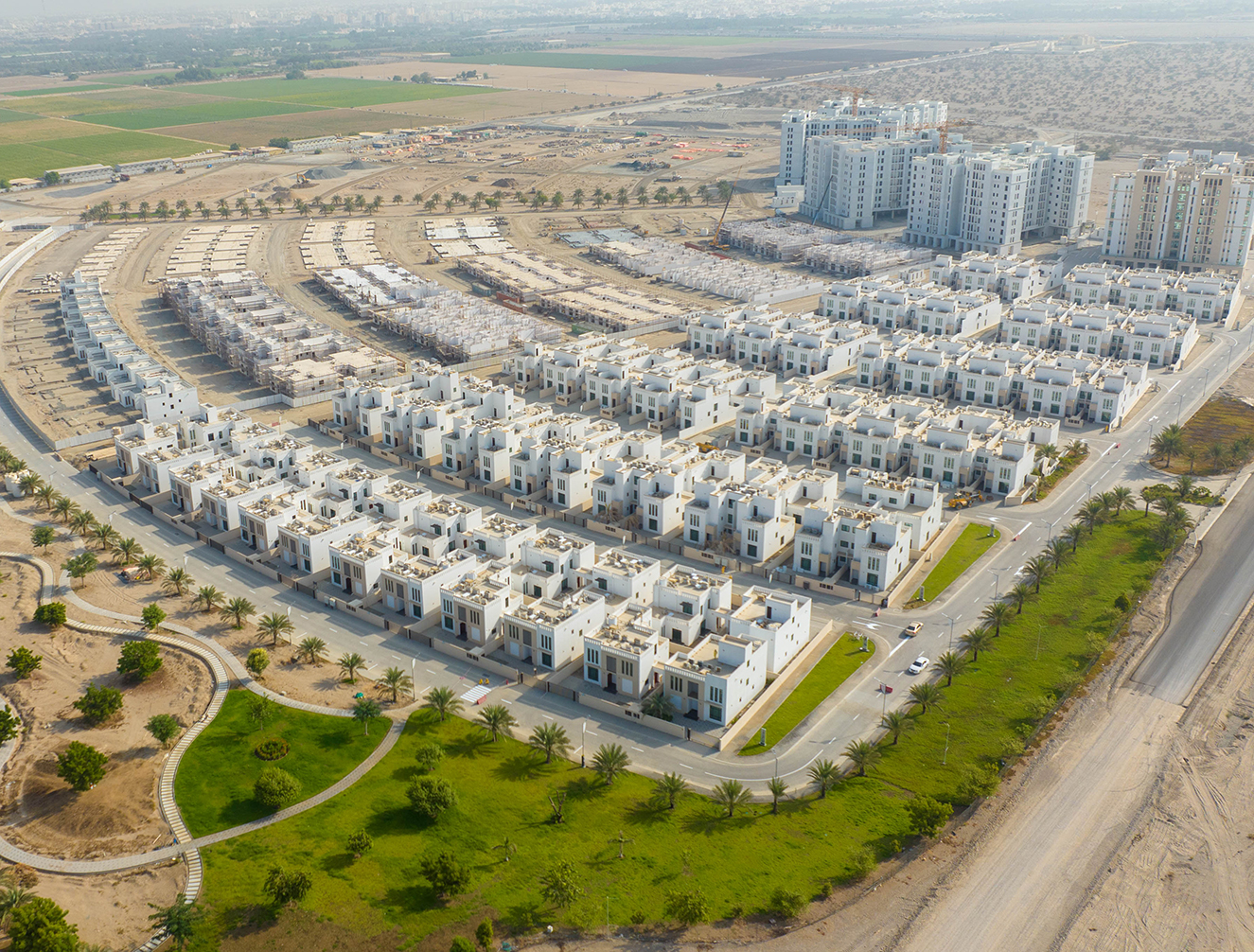
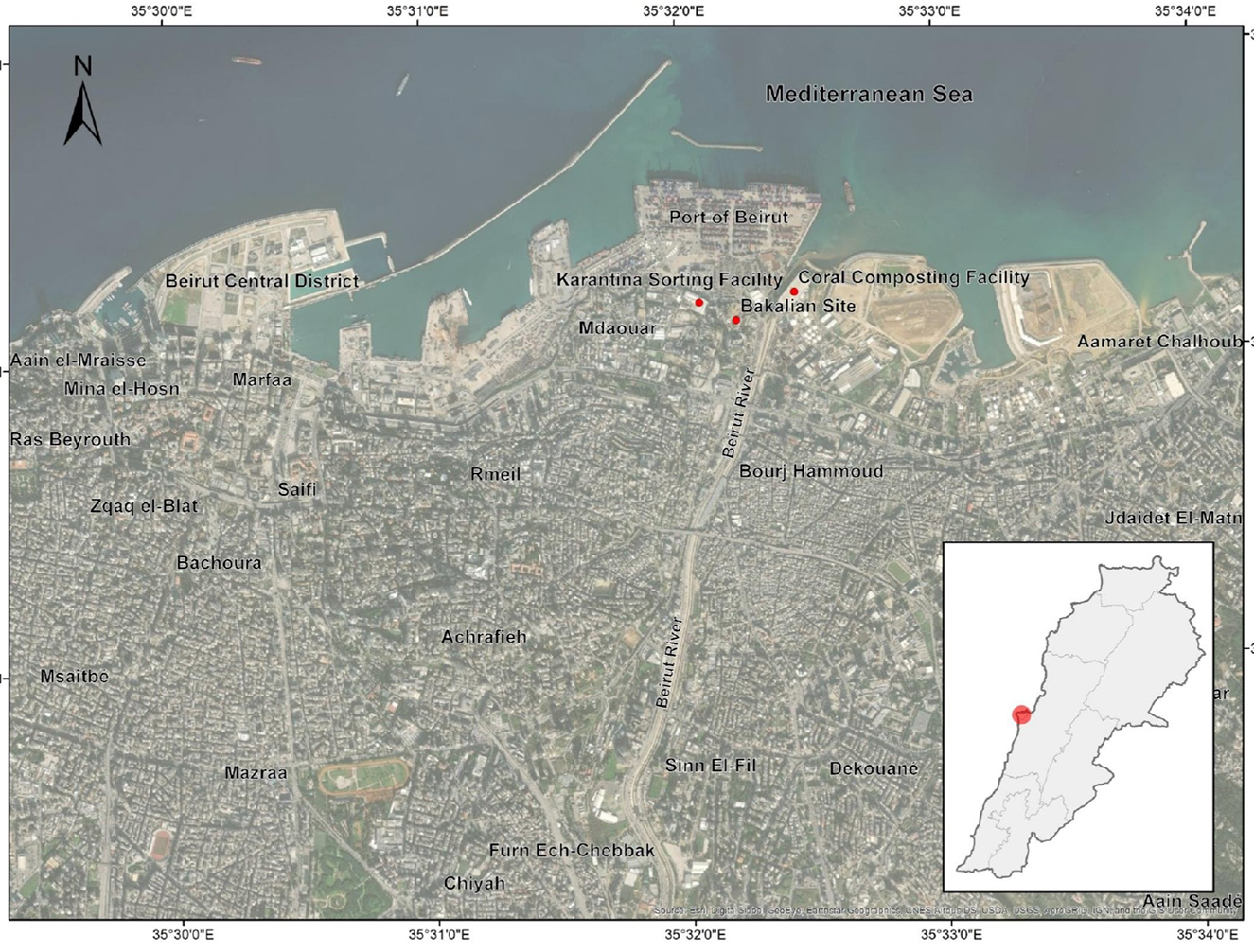
Title: CE projects in Oman.
Source: Click Here

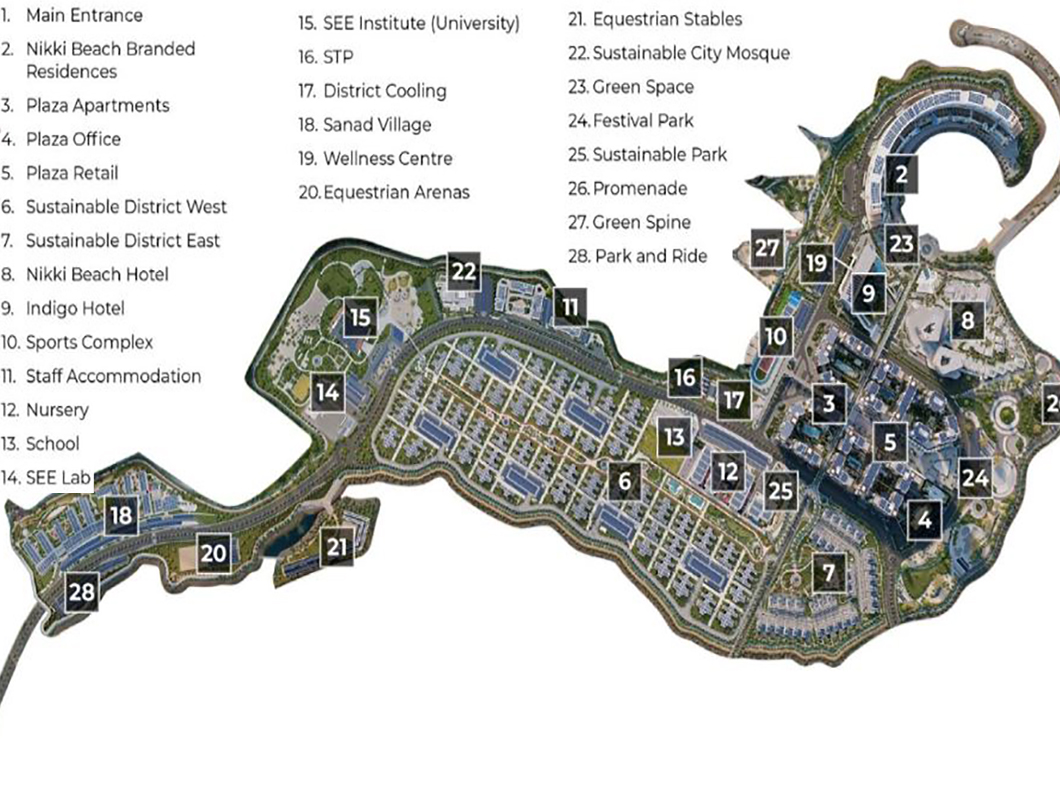
Title: A proposed biogas plant illustration.
Source: Click Here
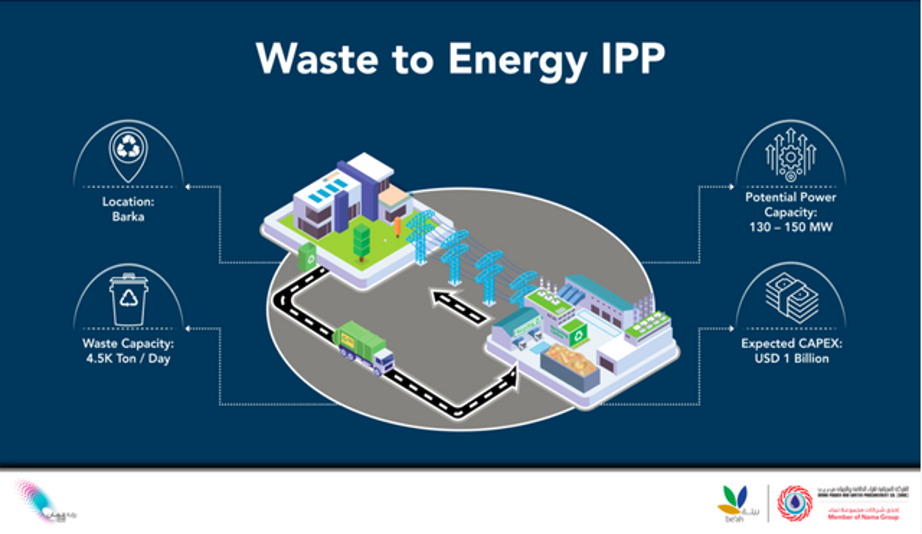
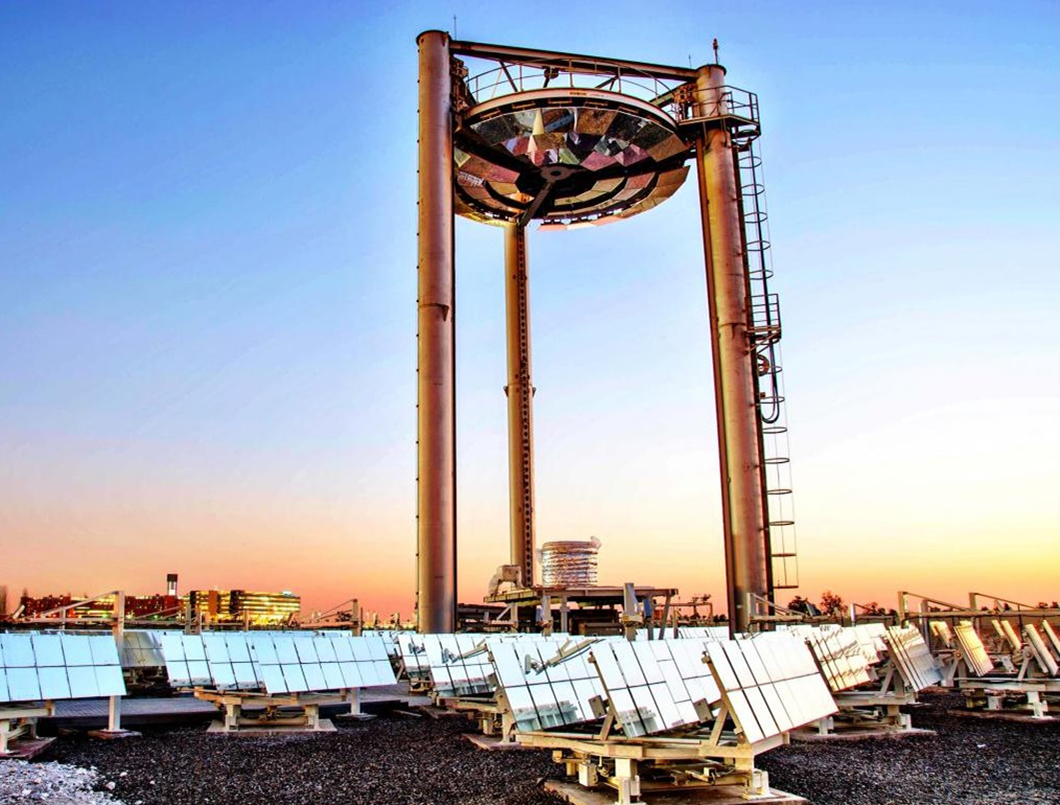
Title: Independent Power Producer (IPP) WtE Plant.
Source: Click Here
Title: Green hydrogen in circular carbon economy in Oman Strategy.
Source: Click Here
Title: CE projects in Oman.
Source: Click Here
Title: A proposed biogas plant illustration.
Source: Click Here
Title: Independent Power Producer (IPP) WtE Plant.
Source: Click Here
To achieve its vision, Be’ah developed a comprehensive master plan, incorporating various projects and initiatives, mainly:6 7 8
The beneficiaries of Be’ah’s CE Strategy include Omani citizens, businesses, as it enhances public health, creates economic opportunities, and preserves natural resources.14 As the national waste management entity, Be’ah drives this transition through waste reduction, energy recovery, recycling, and community engagement, fostering a greener, more resource-efficient future.15
Be’ah engages government agencies, private sector partners, academic institutions, and local communities.16 It also involves SMEs to create job opportunities and attract foreign direct investment.
The Omani government has allocated OMR 528 million ($1.5 billion) for CE projects. Additionally, the Ministry of Finance supports green financing through bonds and sukuk.17
The implementation of Be’ah Circular Economy strategy is structured across multiple phases. The first phasefocuses on infrastructure development, closing illegal dumpsites, and promoting material and energy recovery from waste. Subsequent phases include feasibility studies, stakeholder collaborations, and build-operate-transfer (BOT) models.18 19 Implementation began in March 2025. The Barka WtE plant is set to launch in 2028, while biogas and recycling programs will roll out in stages, supporting Oman’s net-zero target by 2050.20 Key Dates:
Project Link
Endnotes
N.A.
References
An online library where you can explore relevant data on urban development in the Arab cities.
More







Lorem ipsum dolor sit amet consectetur. Lacus nibh neque erat massa elementum. Ultricies ante sed sed nunc massa ider.
Last updated 3 mins ago
Lorem ipsum dolor sit amet consectetur. Lacus nibh neque erat massa elementum. Ultricies ante sed sed nunc massa ider.
Last updated 3 mins ago
Lorem ipsum dolor sit amet consectetur. Lacus nibh neque erat massa elementum. Ultricies ante sed sed nunc massa ider.
Last updated 3 mins ago
Lorem ipsum dolor sit amet consectetur. Lacus nibh neque erat massa elementum. Ultricies ante sed sed nunc massa ider.
Last updated 3 mins ago
Lorem ipsum dolor sit amet consectetur. Lacus nibh neque erat massa elementum. Ultricies ante sed sed nunc massa ider.
Last updated 3 mins ago
Lorem ipsum dolor sit amet consectetur. Lacus nibh neque erat massa elementum. Ultricies ante sed sed nunc massa ider.
Last updated 3 mins ago