Close
Approach Words: Capacity Building, Sustainability, Urban Resilience
Public Policy Instruments: Financial Mechanism, Planning, Regulatory
The Egyptian Pollution Abatement Project (EPAP) is a nationwide industrial pollution reduction program targeting Egypt’s main urban and industrial areas, including Greater Cairo and Alexandria.1 Launched in 1998 under Egypt’s National Environmental Action Plan, the project is known for combining concessional credit lines with technical assistance, creating a market-based model that encourages factories to invest in cleaner production technologies.2
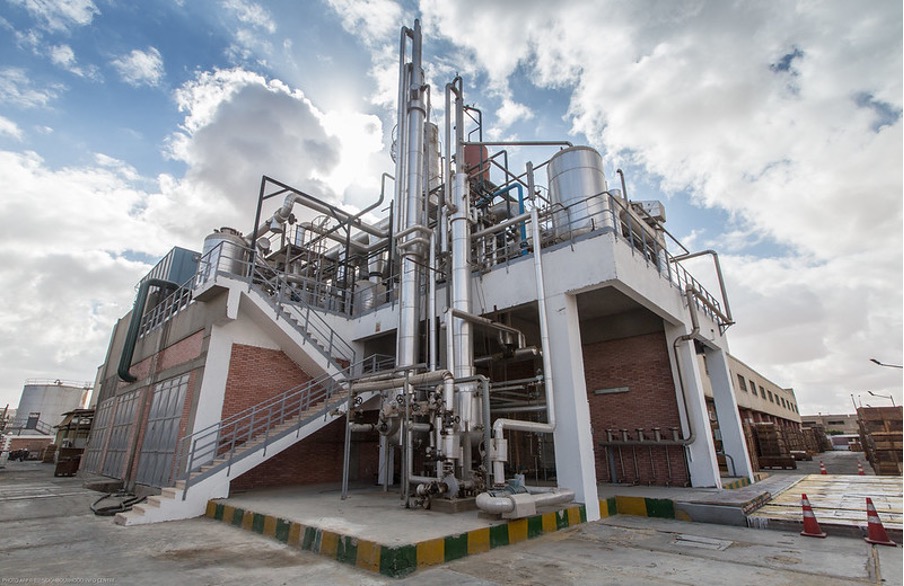
Title: A Solvent Recovery Plant established as part of the Egyptian Pollution Abatement Project (EPAP II).
Source: Click Here
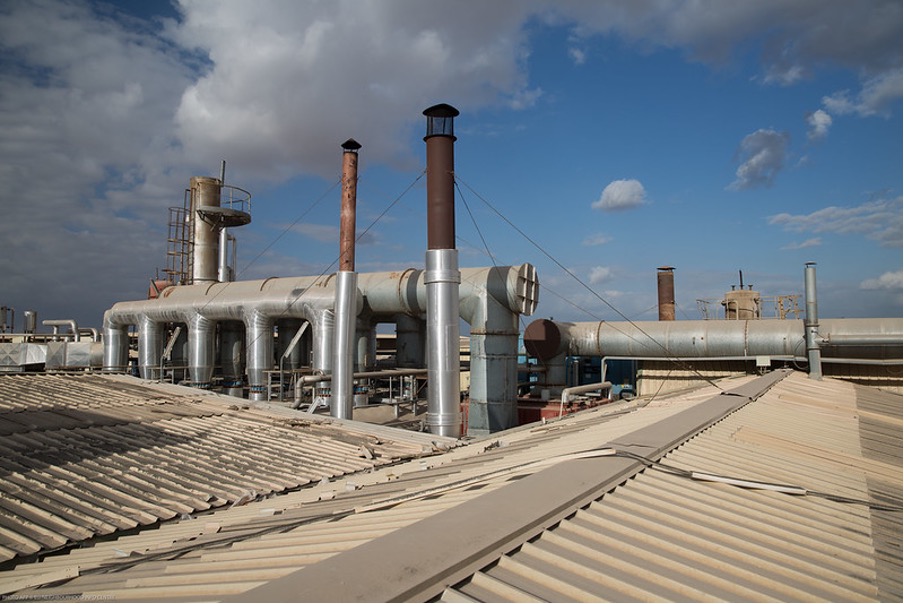
Title: The Solvent Recovery Plant viewed from the adjacent printing factory it services, highlighting its industrial integration.
Source: Click Here
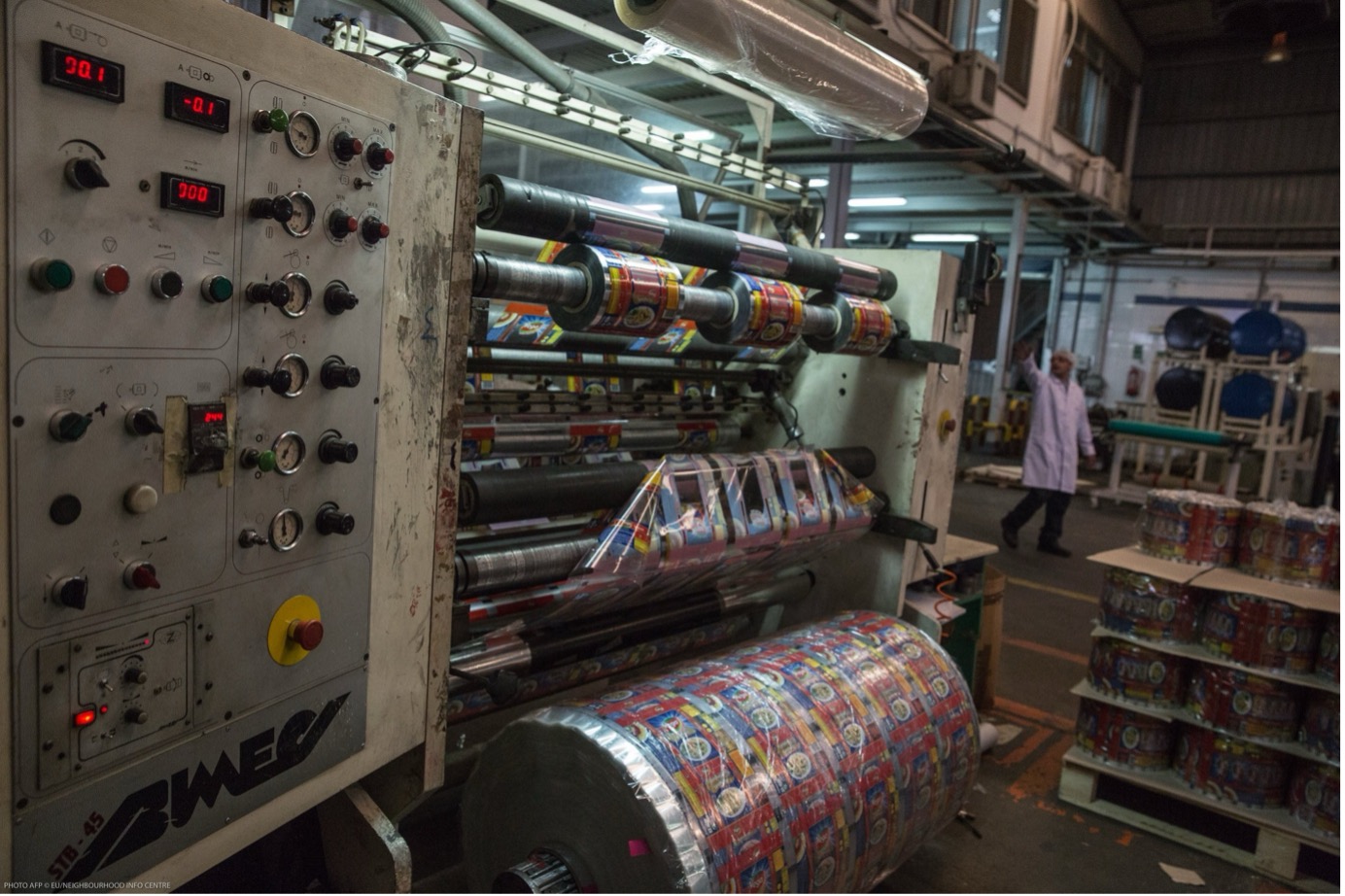
Title: The printing line of a factory with an integrated Solvent Recovery Plant to capture emissions at the source.
Source: Click Here
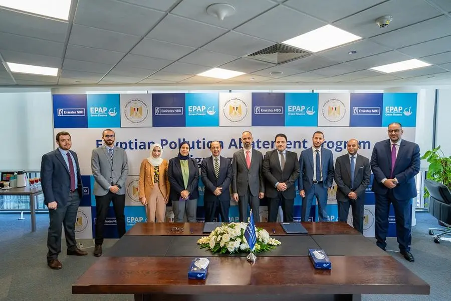
Title: The signing of the EPAP protocol by Emirates NBD-Egypt, formalizing the bank's commitment to financing environmentally compliant projects.
Source: Click Here
Title: A Solvent Recovery Plant established as part of the Egyptian Pollution Abatement Project (EPAP II).
Source: Click Here
Title: The Solvent Recovery Plant viewed from the adjacent printing factory it services, highlighting its industrial integration.
Source: Click Here
Title: The printing line of a factory with an integrated Solvent Recovery Plant to capture emissions at the source.
Source: Click Here
Title: The signing of the EPAP protocol by Emirates NBD-Egypt, formalizing the bank's commitment to financing environmentally compliant projects.
Source: Click Here
The program’s vision is to “establish a self-sustaining pollution-abatement mechanism driven by industry demand and supported by strong public oversight”.3 It seeks to cut harmful emissions, improve air and water quality, and strengthen regulatory enforcement through the Egyptian Environmental Affairs Agency (EEAA).4 Its objectives are to fund key industrial abatement projects, strengthen EEAA’s monitoring capacity, and align environmental investments with Egypt’s sustainable development goals.5 6
To achieve these objectives, EPAP channels about €145 million through the National Bank of Egypt in its current phase.7 Key components include:
EPAP is led by the Ministry of Environment and EEAA, the implementation authority. Financing partners include the World Bank, European Investment Bank (EIB), Agence Française de Développement, Japan International Cooperation Agency (JICA), and the European Union (EU).13
EPAP implementation is divided into three phases:
Project Link
https://moic.gov.eg/project/307
Endnotes
N.A.
References
An online library where you can explore relevant data on urban development in the Arab cities.
More






Lorem ipsum dolor sit amet consectetur. Lacus nibh neque erat massa elementum. Ultricies ante sed sed nunc massa ider.
Last updated 3 mins ago
Lorem ipsum dolor sit amet consectetur. Lacus nibh neque erat massa elementum. Ultricies ante sed sed nunc massa ider.
Last updated 3 mins ago
Lorem ipsum dolor sit amet consectetur. Lacus nibh neque erat massa elementum. Ultricies ante sed sed nunc massa ider.
Last updated 3 mins ago
Lorem ipsum dolor sit amet consectetur. Lacus nibh neque erat massa elementum. Ultricies ante sed sed nunc massa ider.
Last updated 3 mins ago
Lorem ipsum dolor sit amet consectetur. Lacus nibh neque erat massa elementum. Ultricies ante sed sed nunc massa ider.
Last updated 3 mins ago
Lorem ipsum dolor sit amet consectetur. Lacus nibh neque erat massa elementum. Ultricies ante sed sed nunc massa ider.
Last updated 3 mins ago