Close
Approach Words: Capacity Building, Environment Preservation, Sustainability
Public Policy Instruments: Communicative, Financial Mechanism, Organization, Physical Intervention, Planning
The Wadi-Otba’s Waste Management Plan is a new development initiative for the municipality of Wadi Otba in south-western Libya.1 This project stands out as it pilots locally led solid-waste solutions in a fragile, post-conflict context where service delivery has long been disrupted.2 Initiated in 2022 under the EU-funded ISAL programme, the plan supports strengthening municipal governance and decentralized service provision across Libya.3 4
Its vision is to “make everyone part of the municipal waste-management plan”.5 It aims to create a participatory model by strengthening municipal capacity for waste management,6 engaging civil-society organisations in service delivery,7 and mainstreaming gender by actively involving women in decision-making processes.8
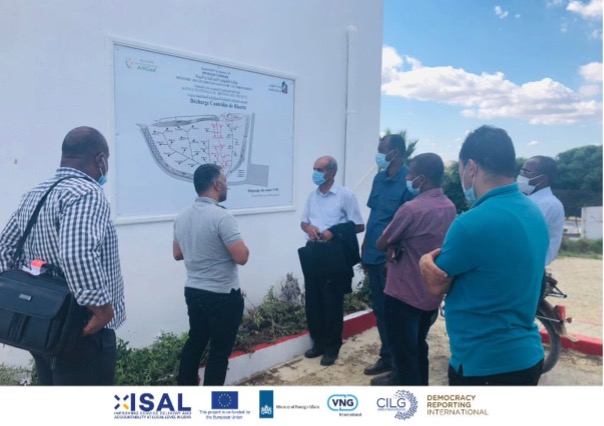
Title: A technical site visit to mark the initiation of the Wadi-Otba Waste Management Plan.
Source: Click Here
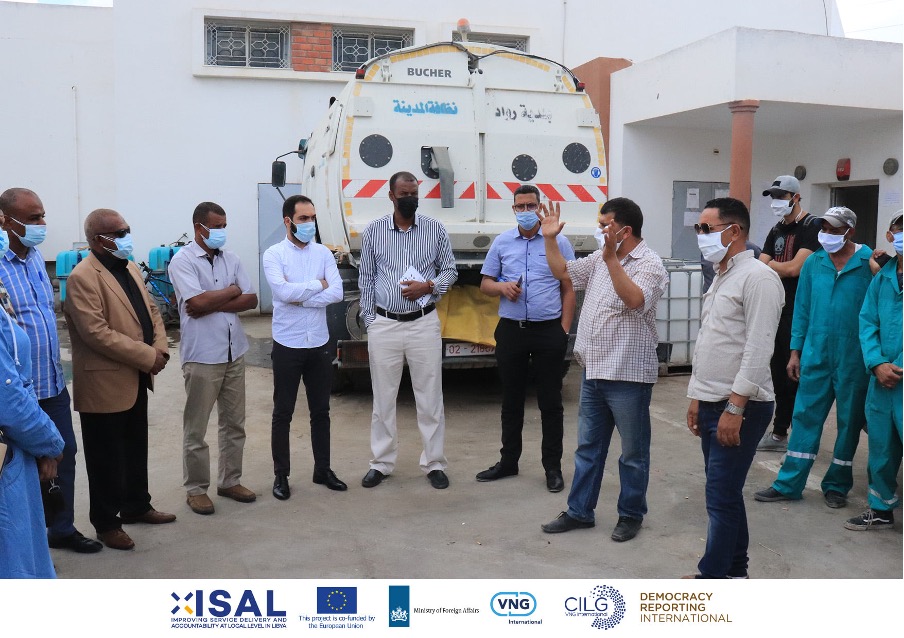
Title: An on-site presentation detailing the proposed waste management facilities for the project.
Source: Click Here
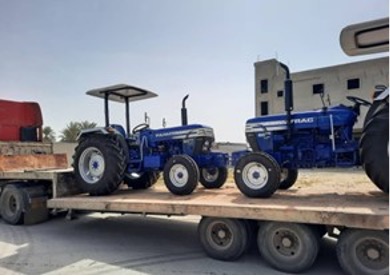
Title: The newly acquired fleet of waste collection vehicles to be deployed for the project.
Source: Click Here
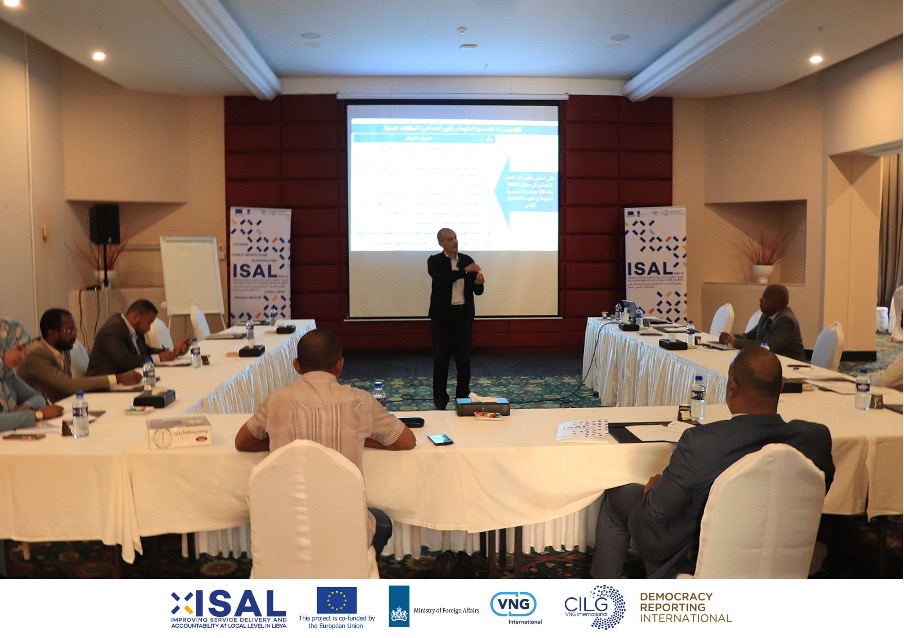
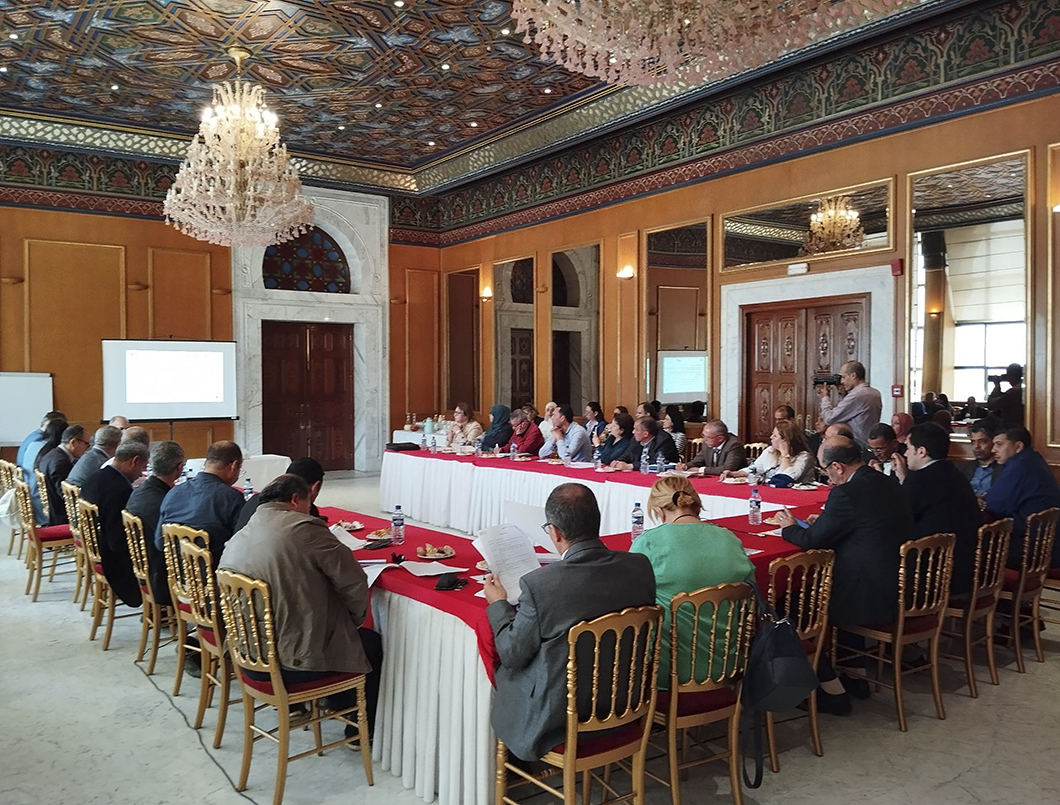
Title: A stakeholder meeting to present the proposed methodology for the new waste collection system
Source: Click Here
Title: A technical site visit to mark the initiation of the Wadi-Otba Waste Management Plan.
Source: Click Here
Title: An on-site presentation detailing the proposed waste management facilities for the project.
Source: Click Here
Title: The newly acquired fleet of waste collection vehicles to be deployed for the project.
Source: Click Here
Title: A stakeholder meeting to present the proposed methodology for the new waste collection system
Source: Click Here
To achieve this vision, the municipality introduced a structured local plan for waste management. This plan covers the entire municipal territory, spanning several rural settlements.9 its implementation tools include:10 11
The plan also integrates sustainability by promoting source separation, reducing illegal dumping,12 and incorporating participatory planning methods that combine international best practice with local knowledge.13 Special features include a gender-mainstreamed outreach strategy that highlights women’s roles in environmental stewardship.14

Owner/Developer (Public)

Consultant/Designer

Funder

Contractor/Implementer
Owner/Developer (Public)
Contractor/Implementer
Funder
Consultant/Designer
The project is managed by the Municipality of Wadi Otba with support from VNG International and local civil-society organisations.15 At the national and international level, it is framed within ISAL program, a joint effort of the Libyan Ministry of Local Governance, the European Union, VNG International, and GIZ.16
The project’s implementation is divided into phases:17 18
Currently, the project is ongoing, with collection services operational and training activities underway.19 Upon completion, the Wadi-Otba’s Waste Management Plan is expected to deliver cleaner neighbourhoods, stronger municipal services, and a replicable model for other Libyan towns facing similar waste challenges.20
Project Link
Endnotes
References
An online library where you can explore relevant data on urban development in the Arab cities.
More







Lorem ipsum dolor sit amet consectetur. Lacus nibh neque erat massa elementum. Ultricies ante sed sed nunc massa ider.
Last updated 3 mins ago
Lorem ipsum dolor sit amet consectetur. Lacus nibh neque erat massa elementum. Ultricies ante sed sed nunc massa ider.
Last updated 3 mins ago
Lorem ipsum dolor sit amet consectetur. Lacus nibh neque erat massa elementum. Ultricies ante sed sed nunc massa ider.
Last updated 3 mins ago
Lorem ipsum dolor sit amet consectetur. Lacus nibh neque erat massa elementum. Ultricies ante sed sed nunc massa ider.
Last updated 3 mins ago
Lorem ipsum dolor sit amet consectetur. Lacus nibh neque erat massa elementum. Ultricies ante sed sed nunc massa ider.
Last updated 3 mins ago
Lorem ipsum dolor sit amet consectetur. Lacus nibh neque erat massa elementum. Ultricies ante sed sed nunc massa ider.
Last updated 3 mins ago