Close
Approach Words: Environment Preservation, Sustainability, Urban Livability
Public Policy Instruments: Communicative, Physical Intervention
The “Ras Beirut Btifroz” Campaign is a community-driven waste management initiative dedicated to promoting waste sorting at source in Ras Beirut District of Beirut, Lebanon.1
The main objective of the initiative is to establish a network of buildings that actively sort recyclable waste, encouraging sustainable practices at household and community levels.2 This initiative seeks to reduce urban waste pollution, support local recycling efforts, and strengthen community engagement and environmental awareness.3 By fostering collaboration among residents, commercial establishments, and NGOs, the project demonstrates a scalable model of community-based environmental stewardship.4
The initiative began in 2018 with 25 buildings. By 2019, the number had grown to 65 buildings, and by 2020, the campaign had expanded to include 85 buildings, reaching approximately 1,200 households.5 Participation also extended to commercial venues, including Café Younes, broadening its impact beyond residential waste management.6
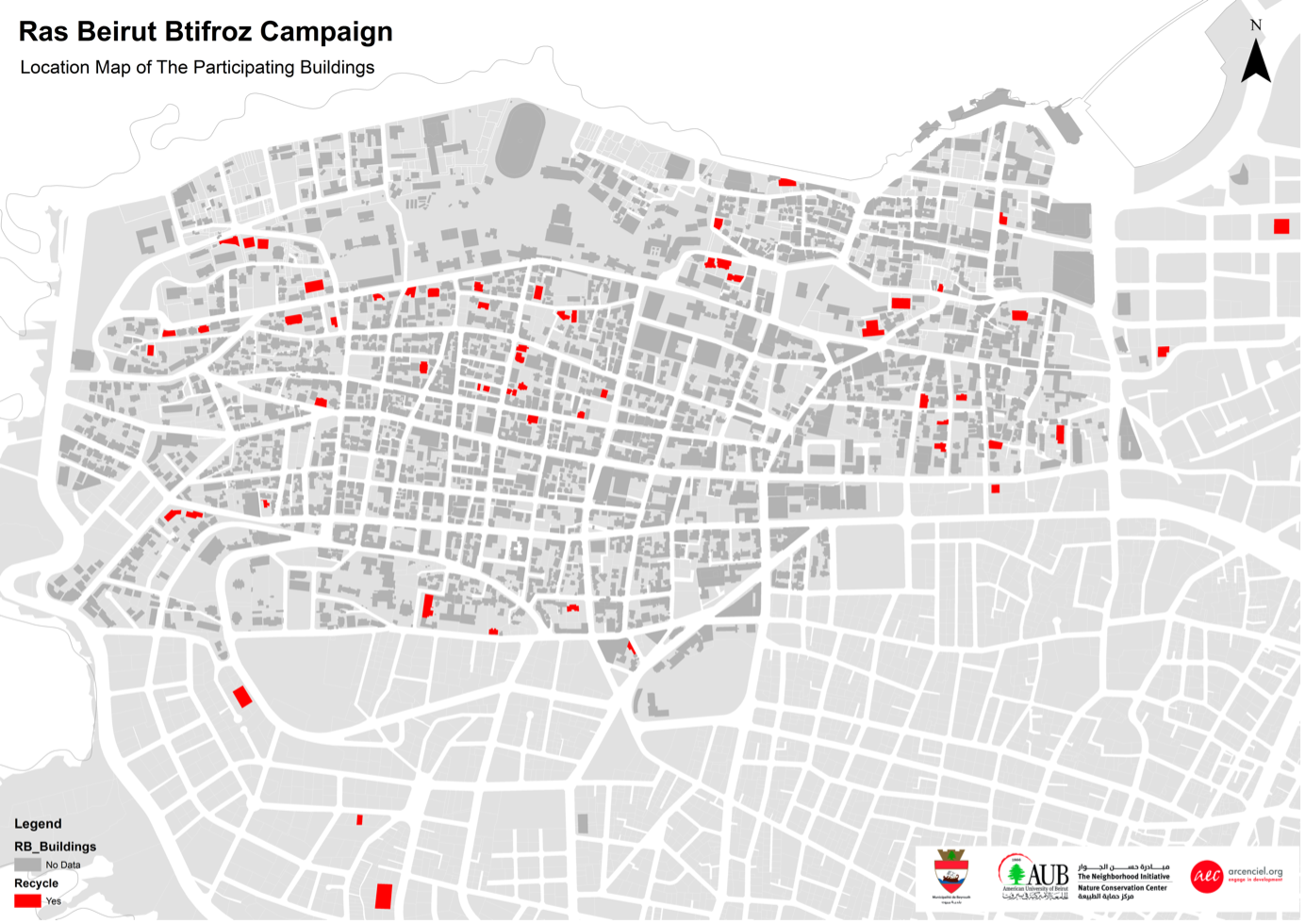
Title: Location Map of the Participants Buildings
Source: Click Here
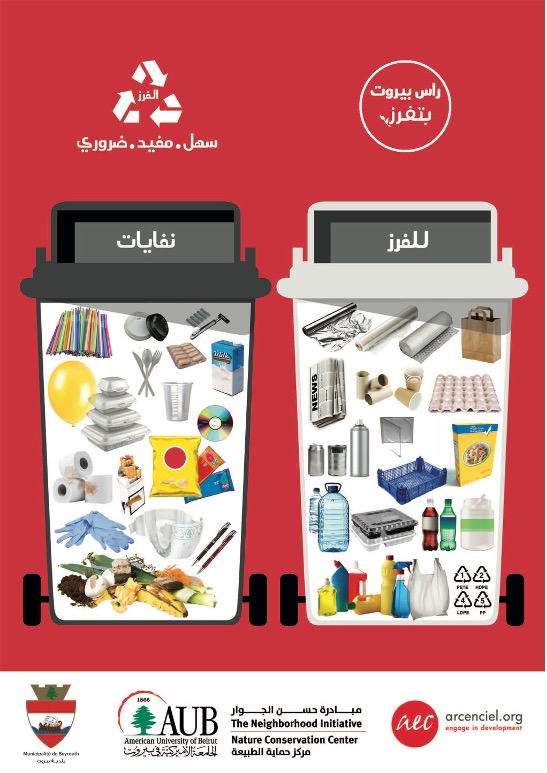
Title: The Ras Beirut Btefroz Campaign.
Source: Click Here
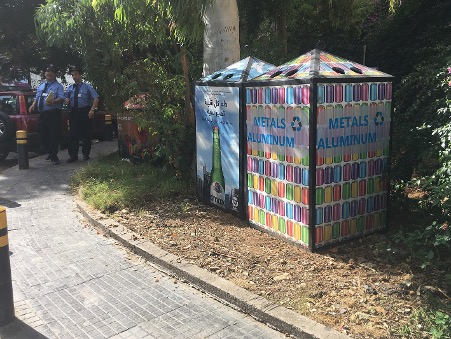
Title: Waste Sorting Points in Ras Beirut District.
Source: Click Here
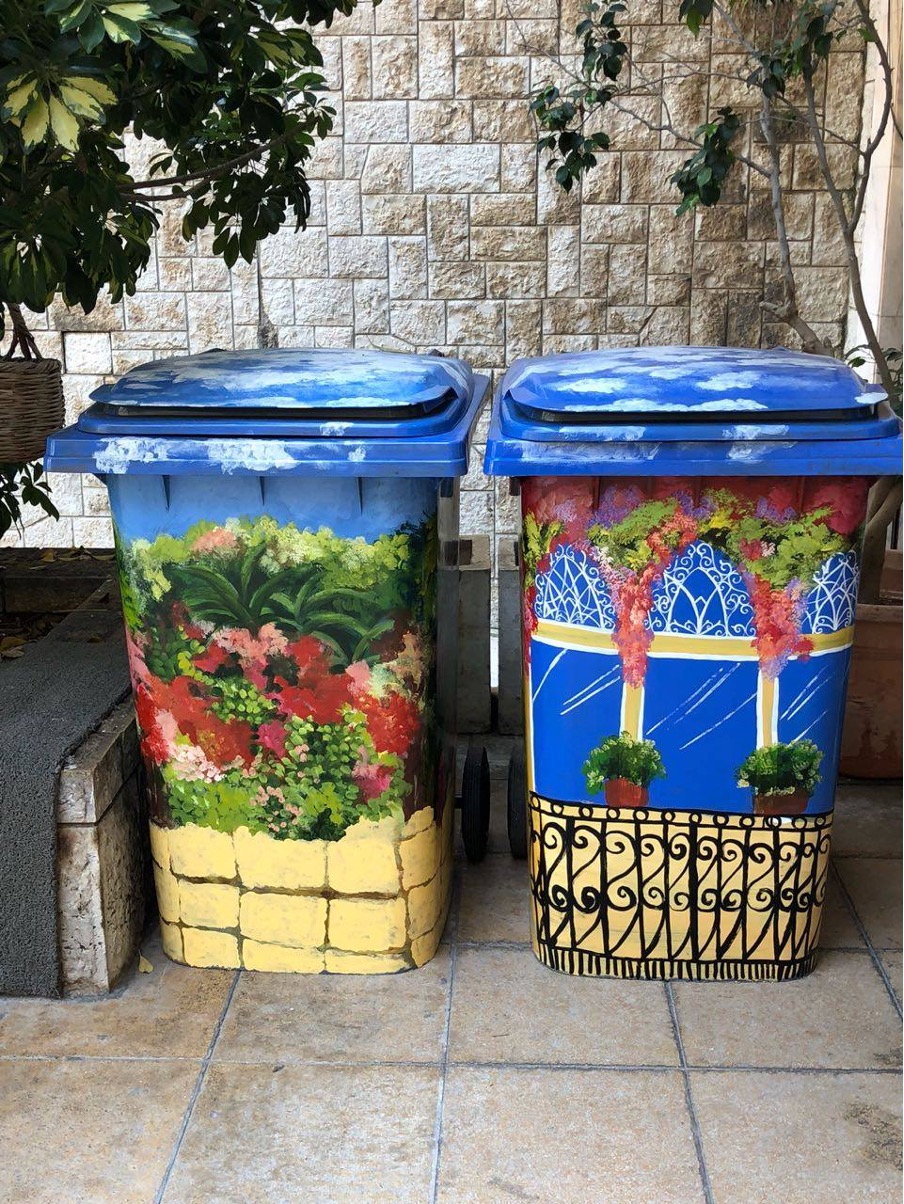
Title: Recycling Bins of the Campaign.
Source: Click Here
Title: Location Map of the Participants Buildings
Source: Click Here
Title: The Ras Beirut Btefroz Campaign.
Source: Click Here
Title: Waste Sorting Points in Ras Beirut District.
Source: Click Here
Title: Recycling Bins of the Campaign.
Source: Click Here
Between 2018 and 2020, the campaign successfully achieved total recyclable waste collected 59,478 kilograms of paper, cardboard, plastic, tins, cans, and aluminum. Besides, revenue generated from recyclables $11,478 in the first 18 months.7
The collection is carried out by Arcenciel, with buildings contributing a $16 fee per collection. These fees cover operational costs, while proceeds from the sale of recyclables finance sorting, handling, packing, and transportation, and Arcenciel’s broader community and environmental projects.8
A key component of the campaign is the reinvestment of 50% of recycling revenue into public urban improvement projects in Ras Beirut, reinforcing the link between personal environmental responsibility and shared public benefits. Two notable interventions include:9

Owner/Developer (Public)

Owner/Developer (Public)
Training sessions were held for residents of participating buildings, offering practical guidance on how to properly sort waste at home. These workshops aimed to ensure consistency, prevent contamination, and build long-term behavioral change around sustainable waste practices.10
Launched in 2018, the project is part of the American University of Beirut (AUB) Neighborhood Initiative,i 11 in collaboration with the AUB Nature Conservation Center (NCC) and the non-profit organization Arcenciel, with support from the Municipality of Beirut.12
Project Link
https://www.aub.edu.lb/Neighborhood/Pages/Ras-Beirut-Btifroz-Campaign.aspx
Endnotes
References
An online library where you can explore relevant data on urban development in the Arab cities.
More








Lorem ipsum dolor sit amet consectetur. Lacus nibh neque erat massa elementum. Ultricies ante sed sed nunc massa ider.
Last updated 3 mins ago
Lorem ipsum dolor sit amet consectetur. Lacus nibh neque erat massa elementum. Ultricies ante sed sed nunc massa ider.
Last updated 3 mins ago
Lorem ipsum dolor sit amet consectetur. Lacus nibh neque erat massa elementum. Ultricies ante sed sed nunc massa ider.
Last updated 3 mins ago
Lorem ipsum dolor sit amet consectetur. Lacus nibh neque erat massa elementum. Ultricies ante sed sed nunc massa ider.
Last updated 3 mins ago
Lorem ipsum dolor sit amet consectetur. Lacus nibh neque erat massa elementum. Ultricies ante sed sed nunc massa ider.
Last updated 3 mins ago
Lorem ipsum dolor sit amet consectetur. Lacus nibh neque erat massa elementum. Ultricies ante sed sed nunc massa ider.
Last updated 3 mins ago