Close
Approach Words: Capacity Building, Integrated City, Sustainability
Public Policy Instruments: Financial Mechanism, Organization, Regulatory
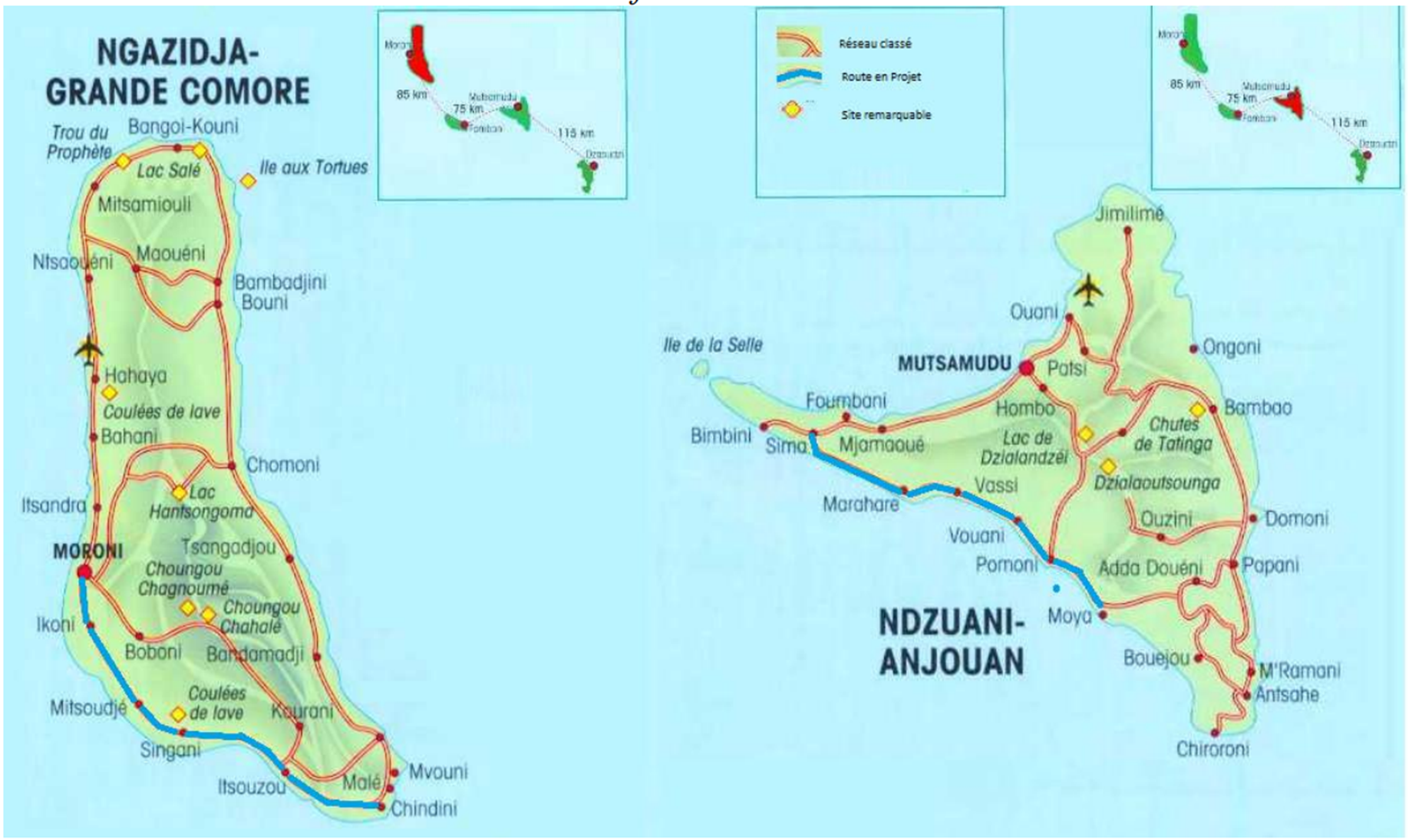
The Toward a Waste-free Comoros project is an initiative designed to develop an integrated waste management system in the Comoros islands, focusing on Moheli Island. The project envisions a “cleaner, healthier, and more sustainable Comoros,” aiming to address waste pollution and environmental sustainability through community-led conservation efforts.1
The project is guided by three core principles:2
The project promotes a circular economy, engages municipalities and communities, and ensures financial sustainability through innovative funding and partnerships, addressing the unique challenges of Small Island Developing States (SIDS).3
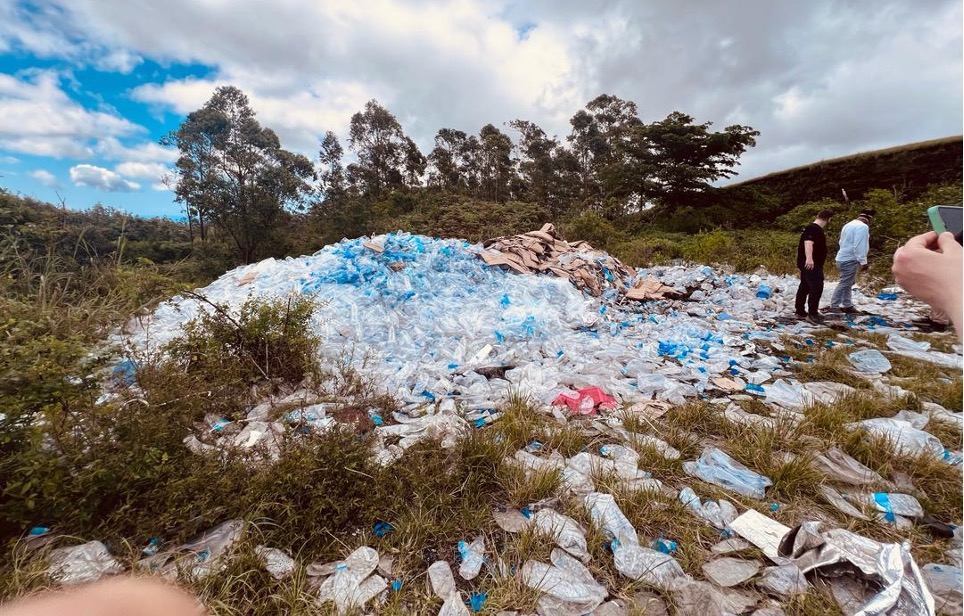
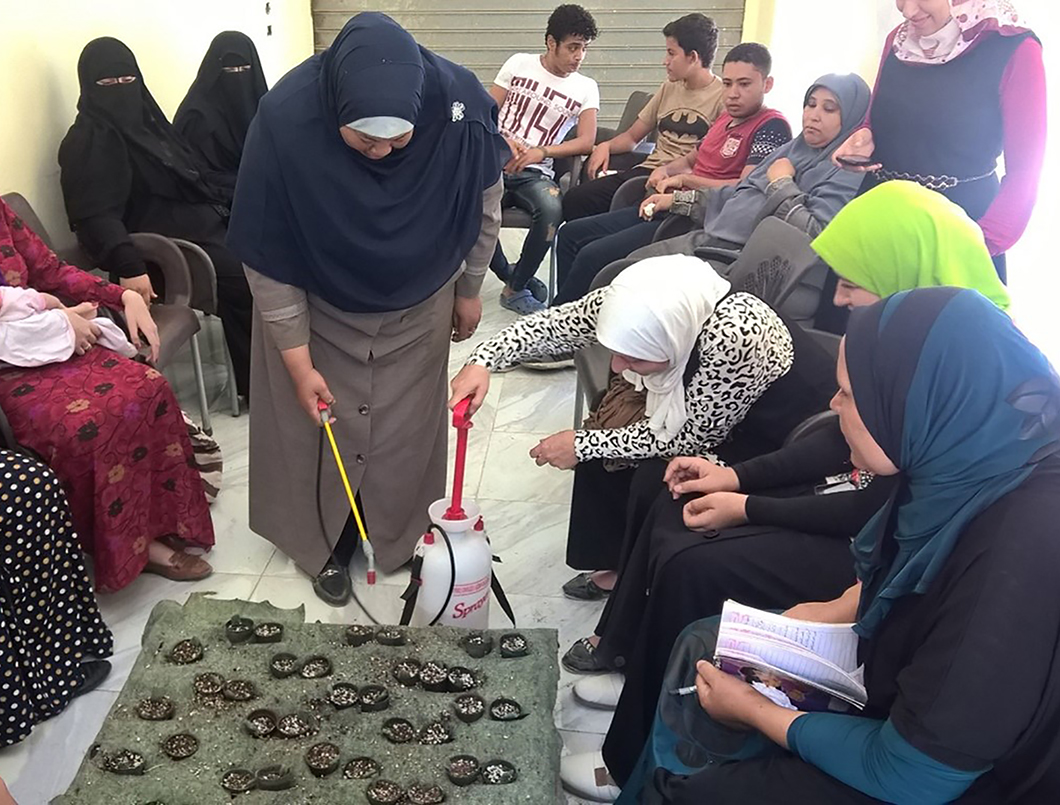
Title: Watering a pile of decomposing organic material; organic waste management facility.
Source: Click Here
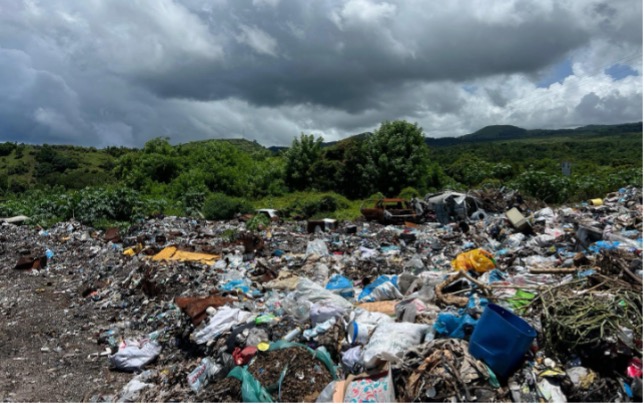
Title: Discarded bottles, waste and dust on a roadside from everyday consumption in Moroni.
Source: Click Here
Title: Watering a pile of decomposing organic material; organic waste management facility.
Source: Click Here
Title: Discarded bottles, waste and dust on a roadside from everyday consumption in Moroni.
Source: Click Here
To implement this vision, the Comoros Integrated Waste Management Alliance was established as a multi stakeholder platform, bringing together government agencies, international organizations, and financial partners.4 This alliance facilitates the integration of planning, regulatory frameworks, and financial mechanisms to support waste collection, sorting, and recycling, while strengthening local and national waste management policies.
Key project components include:5
The project benefits local communities by creating cleaner urban and coastal environments, reducing health risks, and improving quality of life. Municipalities and government agencies will gain enhanced waste management infrastructure, leading to more efficient and sustainable waste disposal systems.6 Additionally, the private sector and NGOs will have new economic opportunities in waste recycling, processing, and resource management.7


Owner/Developer

Owner/Developer
This collaborative initiative is led by the Government of Comoros and the National Agency for Waste Management (ANGD), with support from UNDP, UNEP, Pegasus Capital Advisors, and Parley for the Oceans, providing technical expertise, funding, and global support. Local NGOs and community organizations contribute through grassroots engagement and hands-on waste management initiatives. The initiative is supported by innovative financing schemes through programs such as GEF ISLANDS, Blue Green Islands, and the Global Fund for Coral Reefs.8
Three main implementation phases, as follows:9
Project Link
Endnotes
N.A.
References
An online library where you can explore relevant data on urban development in the Arab cities.
More



Lorem ipsum dolor sit amet consectetur. Lacus nibh neque erat massa elementum. Ultricies ante sed sed nunc massa ider.
Last updated 3 mins ago
Lorem ipsum dolor sit amet consectetur. Lacus nibh neque erat massa elementum. Ultricies ante sed sed nunc massa ider.
Last updated 3 mins ago
Lorem ipsum dolor sit amet consectetur. Lacus nibh neque erat massa elementum. Ultricies ante sed sed nunc massa ider.
Last updated 3 mins ago
Lorem ipsum dolor sit amet consectetur. Lacus nibh neque erat massa elementum. Ultricies ante sed sed nunc massa ider.
Last updated 3 mins ago
Lorem ipsum dolor sit amet consectetur. Lacus nibh neque erat massa elementum. Ultricies ante sed sed nunc massa ider.
Last updated 3 mins ago
Lorem ipsum dolor sit amet consectetur. Lacus nibh neque erat massa elementum. Ultricies ante sed sed nunc massa ider.
Last updated 3 mins ago