Close
Approach Words: Capacity Building, Comprehensive Management, Sustainability
Public Policy Instruments: Financial Mechanism, Physical Intervention, Planning, Regulatory
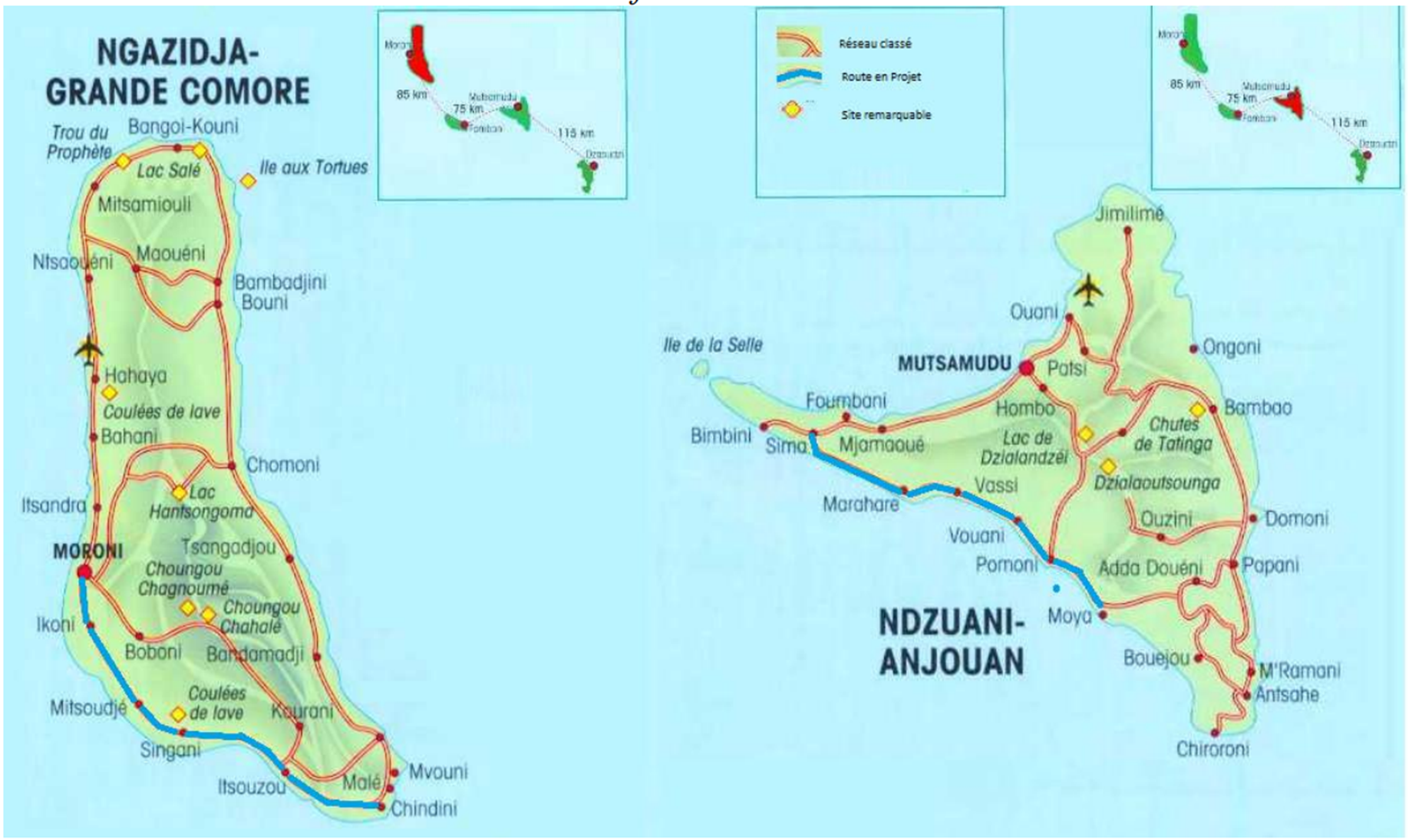
The Integrated Solid Waste Management Plan for Moroni, Comoros, is a collaborative initiative designed to modernize municipal solid waste (MSW) systems in Moroni.1 Supported by international partnerships, the project promotes environmental and social sustainability.2 3
The project aims to reduce pollution, improve public health, and boost economic opportunities by establishing a circular waste management system in Moroni.4 5 It integrates waste collection, processing, recycling, and landfill management while enhancing sanitation, resource recovery, and governance.6
To achieve this vision, the project leverages an integrated waste management plan, supported by public-private partnerships and results-based financing (RBF) models. The strategy includes structured waste collection, enhanced landfill sites, and recycling incentives.7
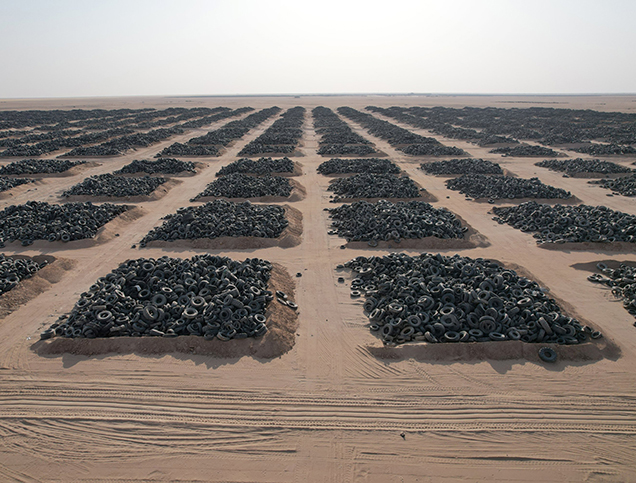
The project focuses on city-wide waste collection and landfill improvement by developing waste collection points, transport systems, and landfill rehabilitation, benefiting public health, environmental sustainability, local governance, and employment opportunities.8
Built on the principles of circular economy, inclusivity, and sustainability, it integrates modern waste collection methods, comprehensive recycling programs, and economic incentives to enhance environmental protection and local livelihoods.9
The phased strategy includes infrastructure upgrades, public awareness campaigns, and the introduction of output-based aid (OBA) and RBF mechanisms to ensure accountability and efficiency.10

Owner/Developer (Public)

Owner/Developer (Public)
The project benefits residents with improved sanitation, businesses with new waste management and recycling opportunities, and municipal authorities with strengthened governance and operations.
The project involves multiple stakeholders, including the Government of Comoros for policy implementation and oversight,11 GPRBA for financial and technical support, local municipalities for waste management operations,12 and the private sector and NGOs for implementation and monitoring.
Initial assessments were conducted between 2013 and 2014,13 and formal project implementation began in 2023.14
Project Link
Endnotes
N.A.
References
An online library where you can explore relevant data on urban development in the Arab cities.
More



Lorem ipsum dolor sit amet consectetur. Lacus nibh neque erat massa elementum. Ultricies ante sed sed nunc massa ider.
Last updated 3 mins ago
Lorem ipsum dolor sit amet consectetur. Lacus nibh neque erat massa elementum. Ultricies ante sed sed nunc massa ider.
Last updated 3 mins ago
Lorem ipsum dolor sit amet consectetur. Lacus nibh neque erat massa elementum. Ultricies ante sed sed nunc massa ider.
Last updated 3 mins ago
Lorem ipsum dolor sit amet consectetur. Lacus nibh neque erat massa elementum. Ultricies ante sed sed nunc massa ider.
Last updated 3 mins ago
Lorem ipsum dolor sit amet consectetur. Lacus nibh neque erat massa elementum. Ultricies ante sed sed nunc massa ider.
Last updated 3 mins ago
Lorem ipsum dolor sit amet consectetur. Lacus nibh neque erat massa elementum. Ultricies ante sed sed nunc massa ider.
Last updated 3 mins ago