Close
Approach Words: Sustainability, Urban Livability, Urban Resilience
Public Policy Instruments: Communicative, Financial Mechanism, Infrastructure, Planning
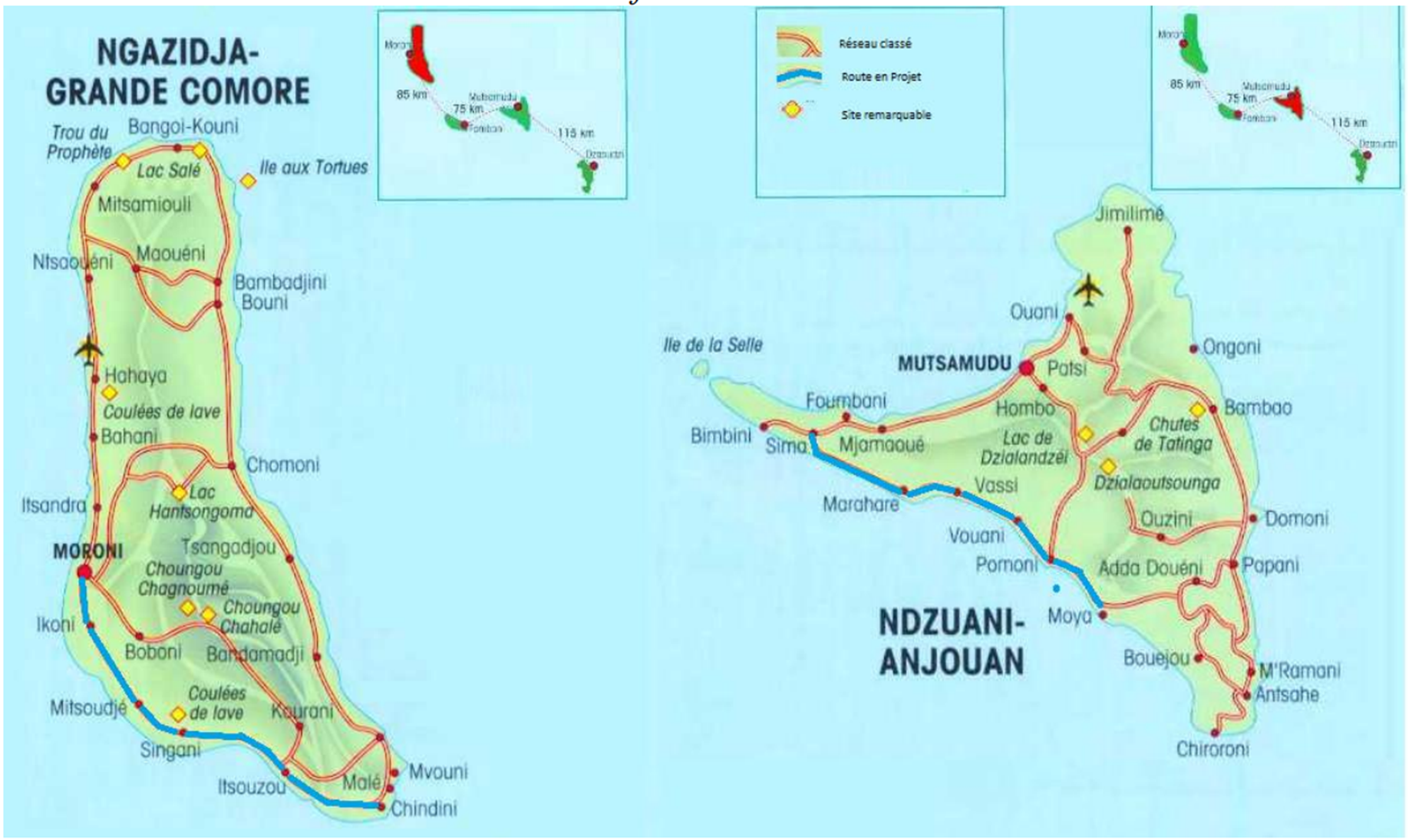
The “Ensuring Climate Resilient Water Supplies in the Comoros Islands” project is a national initiative designed to enhance water security and climate resilience across the Comoros archipelago, addressing the growing impacts of climate variability on water availability and service reliability.1 The project targets improved water supply outcomes for an estimated 450,000 residents by tackling both infrastructure gaps and systemic vulnerabilities affecting water resources management.2
The vision of the project is “to ensure sustainable, reliable, and climate-resilient water supply systems that support social, economic, and environmental well-being”.3 Its objectives include increasing storage capacity, upgrading pipelines, restoring watersheds, and implementing monitoring systems to ensure continuous supply during periods of climate stress.4
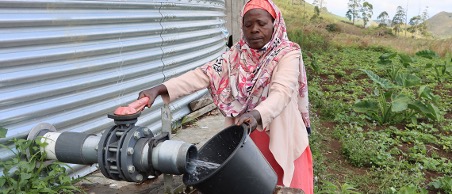
Title:
Source: Click Here
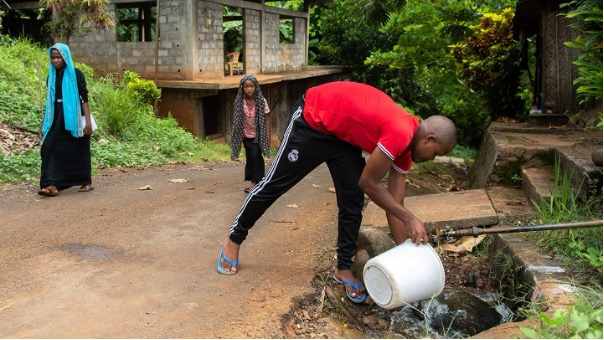
Title: Comorian residents accessing safe water source
Source: Click Here
Title:
Source: Click Here
Title: Comorian residents accessing safe water source
Source: Click Here
The project is structured around a set of interlinked technical, environmental, and institutional components designed to strengthen water security and climate resilience across the Comoros Islands.5 Its main components include:6 7 8
Beneficiaries include residents across Ngazidja, Anjouan, and Mohéli islands, agricultural producers, and local industries dependent on reliable water supply. In addition, the project builds adaptive capacity for small island communities facing climate risks such as prolonged droughts and coastal water intrusion.9

Owner/Developer (Public)
Owner/Developer (Public)
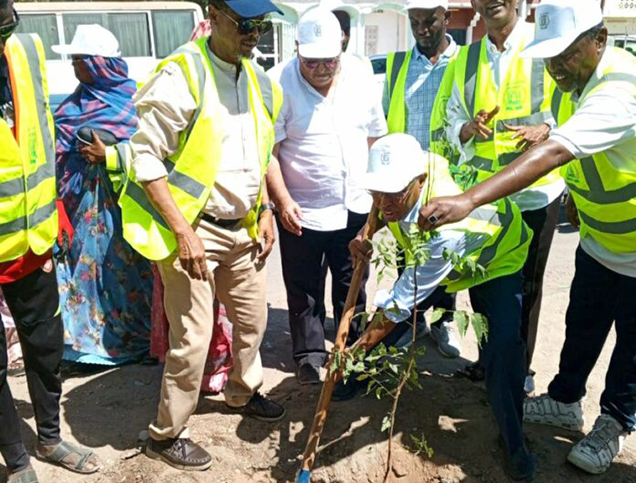
The project is implemented at the national level with the involvement of key international and national actors responsible for financing, coordination, and on-the-ground delivery. Implementation is led by the United Nations Development Programme (UNDP), which provides technical oversight and project management, while Green Climate Fund (GCF) financing supports the investment in climate-resilient infrastructure and adaptation measures.10 11At the national level, the project works closely with relevant government ministries and water sector institutions responsible for water supply, planning, and environmental management, as well as local authorities and utilities across Ngazidja, Anjouan, and Mohéli. Community organizations and local stakeholders are engaged to support implementation, promote ownership, and ensure that interventions respond to local needs, while also contributing to long-term operation, maintenance, and adaptive capacity building within the water sector.12
Since its inception in 2019, the initiative has strengthened Comoros’ water infrastructure and governance frameworks, serving as a model for climate-resilient development in Small Island Developing States (SIDS).13
Project Link
https://www.greenclimate.fund/project/fp094
Endnotes
N.A.
References
An online library where you can explore relevant data on urban development in the Arab cities.
More


Lorem ipsum dolor sit amet consectetur. Lacus nibh neque erat massa elementum. Ultricies ante sed sed nunc massa ider.
Last updated 3 mins ago
Lorem ipsum dolor sit amet consectetur. Lacus nibh neque erat massa elementum. Ultricies ante sed sed nunc massa ider.
Last updated 3 mins ago
Lorem ipsum dolor sit amet consectetur. Lacus nibh neque erat massa elementum. Ultricies ante sed sed nunc massa ider.
Last updated 3 mins ago
Lorem ipsum dolor sit amet consectetur. Lacus nibh neque erat massa elementum. Ultricies ante sed sed nunc massa ider.
Last updated 3 mins ago
Lorem ipsum dolor sit amet consectetur. Lacus nibh neque erat massa elementum. Ultricies ante sed sed nunc massa ider.
Last updated 3 mins ago
Lorem ipsum dolor sit amet consectetur. Lacus nibh neque erat massa elementum. Ultricies ante sed sed nunc massa ider.
Last updated 3 mins ago