Arab Urban Development Institute

Follow us on

About Us

  • About AUDI
  • Vision & Mission
  • Member Cities

Institute Strategy

  • Institute Focus Areas

Our Programs

  • Urban Research and Policy Program
  • Partnerships and City Dialogue

Media Center

  • News
  • Our Cities Newsletter
  • Cities in Action
  • Mayor Talks

Quick Links

  • Our Resources
  • Contact Us
  • Work with Us

© AUDI – All rights reserved

Urban Development
Urban Heritage
Environmental Improvement
Technological Development

The Arab Urban Development Institute (AUDI)

is the first specialized Arab organization dedicated to urban development and advancing municipal cooperation across the Arab region. Since its establishment, it has established itself as a leading reference and a distinctive platform that unites Arab cities to exchange knowledge, expertise, and collaboration, while continuing to play a pivotal role in supporting municipal processes and promoting urban development throughout the region.

Learn More
Arab Urban Development Institute

Our Mission

To equip cities across the Arab region with evidence‑based urban knowledge, practical training, and peer exchange, amplifying city agendas, strengthening leadership, and turning shared experiences into actionable programs.

Read More

Our Vision

A leading Arab institution where knowledge is disseminated, leadership is cultivated, and collaboration turns ideas into practice, shaping the future of our cities.

Read More

Our Programs

Urban Research and Policy Program

The Urban Research and Policy Program seeks to bridge the gap between rapidly evolving knowledge and technologies pertinent to urban development and the fragmented implementation of urban initiatives in Arab cities. It does so by producing policy-oriented reports that examine regional and global development trends, assess municipal practices, and disseminate insights through various Arab Urban Development Institute’s platforms. The program draws on a range of research tools, including databases, studies, reports, and the design and evaluation of pilot projects. It also applies to a participatory approach, involving stakeholders such as municipalities, professional associations, the private sector, international organizations, and academic partners in data collection, analysis, project development, and evaluation

Explore

Training and Capacity Building Program

Developing the capabilities of leaders and professionals in the fields of city management, municipal work, and urban development through training programs, workshops, and professional certifications based on best practices and regional and global expertise, thereby contributing to enhancing competencies and supporting the sustainability and competitiveness of Arab cities.
Explore

Partnerships and City Dialogue Program

The Partnerships and City Dialogue Program provides a platform for strengthening cooperation and fostering the exchange of knowledge and expertise among Arab cities and regional and international partners. It achieves this by organizing and managing specialized dialogues, forums, and events that address key urban issues and challenges. The program also supports the development of strategic partnerships, showcases leading experiences and best practices, and AUDI's role as a regional hub for dialogue and knowledge exchange in urban development areas.

Explore

Urban Research and Policy Program

The Urban Research and Policy Program seeks to bridge the gap between rapidly evolving knowledge and technologies pertinent to urban development and the fragmented implementation of urban initiatives in Arab cities. It does so by producing policy-oriented reports that examine regional and global development trends, assess municipal practices, and disseminate insights through various Arab Urban Development Institute’s platforms. The program draws on a range of research tools, including databases, studies, reports, and the design and evaluation of pilot projects. It also applies to a participatory approach, involving stakeholders such as municipalities, professional associations, the private sector, international organizations, and academic partners in data collection, analysis, project development, and evaluation

Explore

Training and Capacity Building Program

Developing the capabilities of leaders and professionals in the fields of city management, municipal work, and urban development through training programs, workshops, and professional certifications based on best practices and regional and global expertise, thereby contributing to enhancing competencies and supporting the sustainability and competitiveness of Arab cities.
Explore

Partnerships and City Dialogue Program

The Partnerships and City Dialogue Program provides a platform for strengthening cooperation and fostering the exchange of knowledge and expertise among Arab cities and regional and international partners. It achieves this by organizing and managing specialized dialogues, forums, and events that address key urban issues and challenges. The program also supports the development of strategic partnerships, showcases leading experiences and best practices, and AUDI's role as a regional hub for dialogue and knowledge exchange in urban development areas.

Explore

Member Cities

Loading map...

Media Center

Explore our news, periodic newsletter, and audiovisual publications.
From Salalah, AUDI Launches Report on Sustainable Urban Mobility in Arab Cities at ATO’s 20th General Assembly

During its participation in the 20th General Assembly of the Arab Towns Organization (ATO) in Salalah, Sultanate of Oman, the Arab Urban Development Institute (AUDI) launched its report titled: “Sustainable Urban Mobility in Arab Cities - Innovative Practices and Solutions.” The report was launched during a specialized session titled “The Future of Sustainable Urban Mobility in Arab Cities,” which brought together a number of Arab city leaders to address the transformations forming urban mobility systems and the challenges and opportunities associated with their development. The report provides an analytical overview of the current state of urban mobility in the Arab region, drawing on a comparative analysis of leading global experiences and a comprehensive assessment of 60 urban mobility projects across Arab cities. The assessment covers several areas, including governance and community participation, environmental sustainability and resilience, economic development, social justice, and innovation, providing deeper insight into the factors affecting the success and impact of urban mobility initiatives. The session was opened by H.E. Dr. Anas Almughairy, AUDI Director General, who announced the launch of the report. Dr. Ziad Ahmad Alameddine, Director of the Urban Policy Research Program at AUDI, then presented the report’s methodology and key findings. The session also featured a discussion on the experiences of Arab cities and the challenges they face in implementing sustainable mobility solutions, along with a review of relevant practices and lessons learned. The report identifies the need to enhance integration among the components of urban mobility systems as the main challenge facing Arab cities. This includes improving connectivity between different modes of transport and strengthening coordination among stakeholders. It also emphasizes the importance of achieving a better balance between large-scale infrastructure projects and low-cost solutions, such as active mobility and improved accessibility, while more effectively integrating socio-economic considerations into urban mobility policies. In light of these findings, the report proposes an integrated framework for developing urban mobility systems in Arab cities based on three interconnected pillars: integrated governance that promotes institutional coordination and stakeholder engagement; human- and climate-centric design that supports behavioral change and enhances the user experience; and financing and implementation models that promote the economic and operational sustainability of projects. The report also presents practical recommendations to strengthen the integration of policies and infrastructure and develop more efficient, resilient, and equitable transportation systems in Arab cities. The report was prepared by AUDI with support from the Arab Fund for Economic and Social Development, as part of the project “Supporting Green Activities in Selected Arab Cities – Participatory Greening of Neighborhoods.” It is primarily based on projects published on the AUDI’s Arab Urban Development Portal, alongside a review of several regional and international experiences in sustainable urban mobility. The session concluded with a discussion on the most prominent challenges facing cities in implementing sustainable mobility solutions, practical experiences and lessons learned, the role of regional cooperation and financing in accelerating the transition to more sustainable urban transportation systems, and the importance of enhancing the exchange of knowledge and expertise among Arab cities.

06 September 2026Read More

AUDI Receives BADEA President to Discuss Joint Cooperation

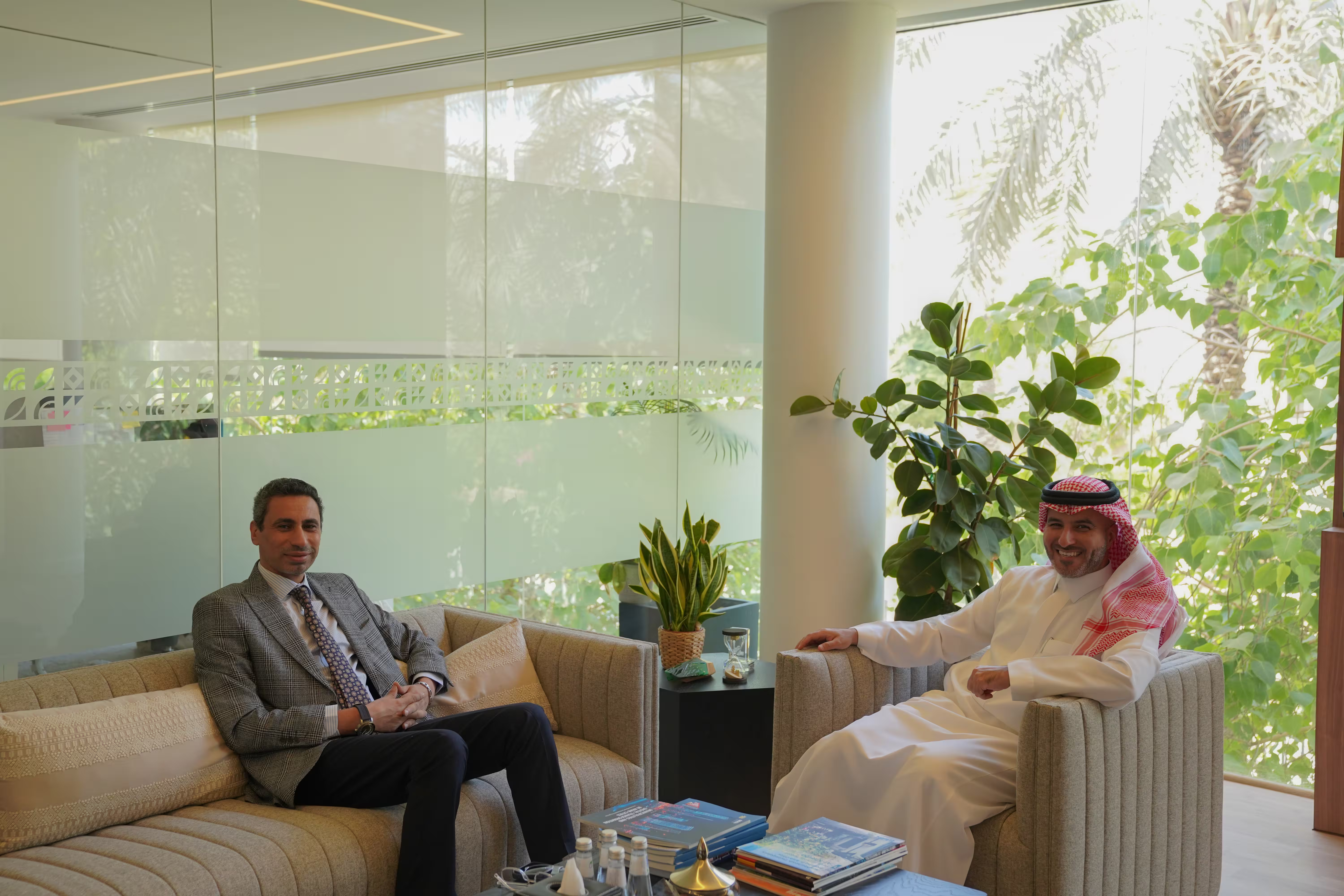
H.E. Dr. Anas Mofarreh Almughairy, Director General of the Arab Urban Development Institute (AUDI), received at AUDI’s headquarters in Riyadh H.E. Mr. Abdullah Khalil Al Musibeeh, President of the Arab Bank for Economic Development in Africa (BADEA). During the meeting, the two sides introduced AUDI and BADEA and outlined their respective areas of work. Dr. Almughairy highlighted AUDI’s programs and initiatives in urban development, capacity building, and knowledge and expertise exchange among Arab cities. The President of BADEA outlined the Bank’s development activities across the African continent, covering 44 countries, and its various areas of operation, including the housing sector. The two sides explored areas of mutual interest, opportunities for cooperation, and the exchange of expertise, particularly in urban development. They also discussed ways to leverage BADEA’s experience and projects in Africa alongside AUDI’s expertise and network of relationships with Arab cities. The meeting further addressed opportunities to strengthen dialogue and exchange experiences between Arab and African cities, including the possibility of establishing a forum for dialogue that would provide a platform for sharing knowledge and expertise, discussing common urban challenges, and expanding prospects for cooperation between cities in the two regions.

01September 2026Read More

AUDI Holds its 22nd Webinar on "Adopting an approach that moves beyond material solutions toward sustainable urban transformation"

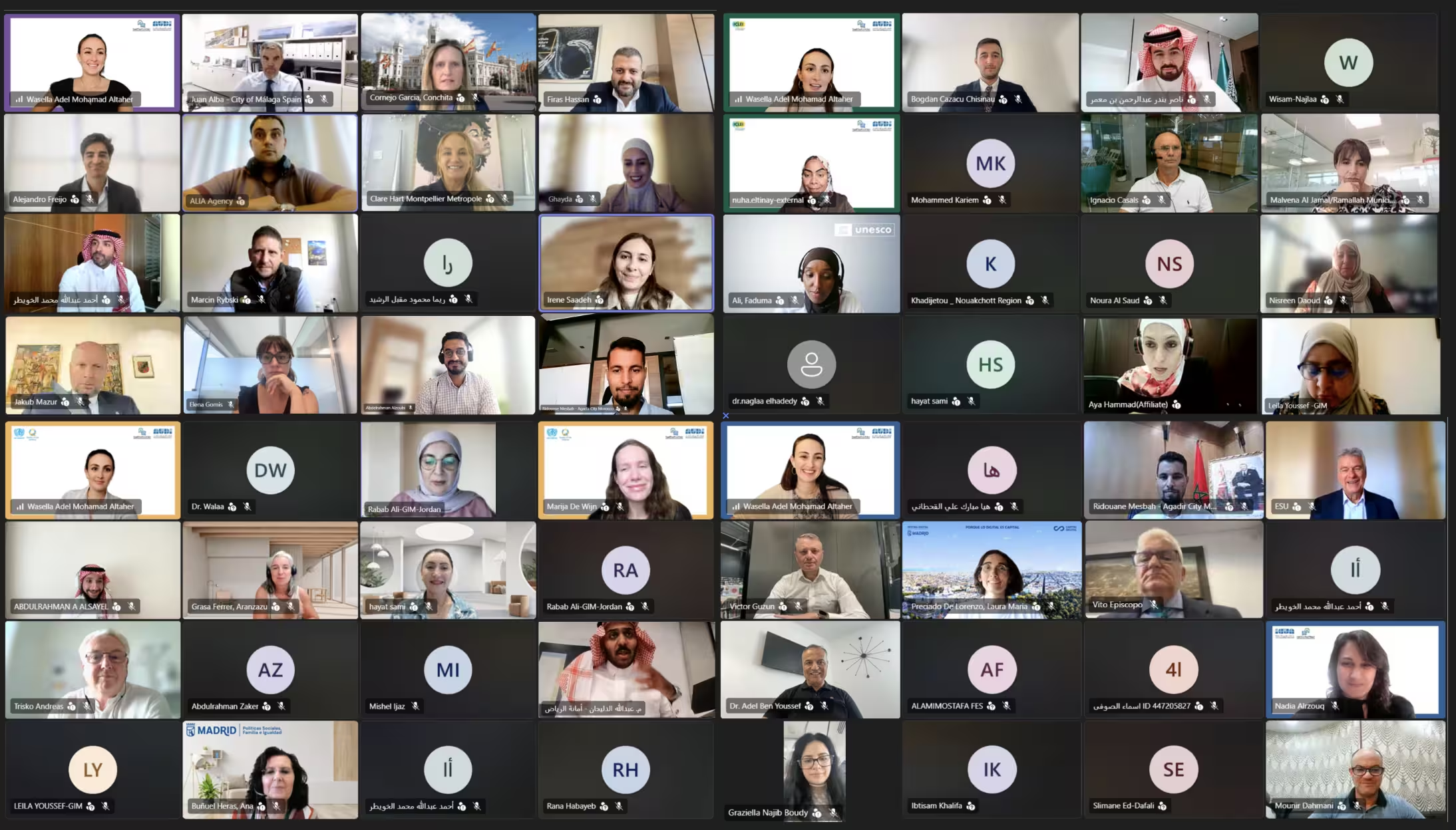
As part of its ongoing commitment to promoting inclusive urban planning across the Arab Region, the Arab Urban Development Institute (AUDI) held, today, the 22nd session of its “Cities in Action" series on "Adopting an approach that moves beyond material solutions toward sustainable urban transformation", bringing together a wide range of specialists and professionals in urban development. Dr. Abdullah Difallah, the webinar moderator and professor of urban planning, opened the session, welcomed the attendees and highlighted the importance of addressing informal settlements as a complex issue with interconnected theoretical and practical dimensions in urban planning. He emphasized the need for a deeper understanding of the problem’s various dimensions and contexts. Dr. Waleed Alzamil, professor at the Department of Urban Planning, King Saud University, and specialist in urban planning, housing, and human settlements, delivered a presentation on the concept of informal settlements. He emphasized the importance of distinguishing between informal settlements and deteriorated urban areas, while highlighting the links between informal housing, tenure security, and regulatory and legislative frameworks. Dr. Alzamil discussed the factors behind the emergence of informal settlements, linking them to gaps in housing policies and programs that fail to provide suitable options for low-income groups. He stressed that effective responses must consider residents’ lifestyles, livelihoods, and social networks, rather than relying solely on physical interventions or the provision of housing units. Drawing on field experiences and observations, he highlighted the need for context-specific approaches, including upgrading and development, resettlement, or demolition and redevelopment. He emphasized that such interventions should be accompanied by appropriate and sustainable housing and economic alternatives for affected residents. Dr. Alzamil further underscored that sustainable policies for informal settlements require a balance between economic, social, and environmental considerations. This includes developing policies and legislation that protect low-income groups and promote equitable cities, while ensuring that real estate investment does not become the sole driver of urban development. Following the presentation, Dr. Abdullah Dhifallah, together with Dr. Ziad Alameddine, Director of Urban Policy Research Program at AUDI, moderated a discussion on the causes of informal settlements and approaches to their development. The discussion examined the balance between investment feasibility and social considerations, while addressing audience questions on appropriate solutions for informal settlements across different contexts. In closing, Dr. Abdullah Dhifallah thanked Dr. Waleed Alzamil for his valuable presentation and insights into addressing informal settlements. He also expressed appreciation to Dr. Ziad Alameddine for his participation and to the audience for their active engagement, which contributed to a richer discussion on developing sustainable urban policies that integrate urban, economic, and social considerations.

25August 2026Read More

AUDI Receives BADEA President to Discuss Joint Cooperation

H.E. Dr. Anas Mofarreh Almughairy, Director General of the Arab Urban Development Institute (AUDI), received at AUDI’s headquarters in Riyadh H.E. Mr. Abdullah Khalil Al Musibeeh, President of the Arab Bank for Economic Development in Africa (BADEA). During the meeting, the two sides introduced AUDI and BADEA and outlined their respective areas of work. Dr. Almughairy highlighted AUDI’s programs and initiatives in urban development, capacity building, and knowledge and expertise exchange among Arab cities. The President of BADEA outlined the Bank’s development activities across the African continent, covering 44 countries, and its various areas of operation, including the housing sector. The two sides explored areas of mutual interest, opportunities for cooperation, and the exchange of expertise, particularly in urban development. They also discussed ways to leverage BADEA’s experience and projects in Africa alongside AUDI’s expertise and network of relationships with Arab cities. The meeting further addressed opportunities to strengthen dialogue and exchange experiences between Arab and African cities, including the possibility of establishing a forum for dialogue that would provide a platform for sharing knowledge and expertise, discussing common urban challenges, and expanding prospects for cooperation between cities in the two regions.

01September 2026Read More

AUDI Holds its 22nd Webinar on "Adopting an approach that moves beyond material solutions toward sustainable urban transformation"

As part of its ongoing commitment to promoting inclusive urban planning across the Arab Region, the Arab Urban Development Institute (AUDI) held, today, the 22nd session of its “Cities in Action" series on "Adopting an approach that moves beyond material solutions toward sustainable urban transformation", bringing together a wide range of specialists and professionals in urban development. Dr. Abdullah Difallah, the webinar moderator and professor of urban planning, opened the session, welcomed the attendees and highlighted the importance of addressing informal settlements as a complex issue with interconnected theoretical and practical dimensions in urban planning. He emphasized the need for a deeper understanding of the problem’s various dimensions and contexts. Dr. Waleed Alzamil, professor at the Department of Urban Planning, King Saud University, and specialist in urban planning, housing, and human settlements, delivered a presentation on the concept of informal settlements. He emphasized the importance of distinguishing between informal settlements and deteriorated urban areas, while highlighting the links between informal housing, tenure security, and regulatory and legislative frameworks. Dr. Alzamil discussed the factors behind the emergence of informal settlements, linking them to gaps in housing policies and programs that fail to provide suitable options for low-income groups. He stressed that effective responses must consider residents’ lifestyles, livelihoods, and social networks, rather than relying solely on physical interventions or the provision of housing units. Drawing on field experiences and observations, he highlighted the need for context-specific approaches, including upgrading and development, resettlement, or demolition and redevelopment. He emphasized that such interventions should be accompanied by appropriate and sustainable housing and economic alternatives for affected residents. Dr. Alzamil further underscored that sustainable policies for informal settlements require a balance between economic, social, and environmental considerations. This includes developing policies and legislation that protect low-income groups and promote equitable cities, while ensuring that real estate investment does not become the sole driver of urban development. Following the presentation, Dr. Abdullah Dhifallah, together with Dr. Ziad Alameddine, Director of Urban Policy Research Program at AUDI, moderated a discussion on the causes of informal settlements and approaches to their development. The discussion examined the balance between investment feasibility and social considerations, while addressing audience questions on appropriate solutions for informal settlements across different contexts. In closing, Dr. Abdullah Dhifallah thanked Dr. Waleed Alzamil for his valuable presentation and insights into addressing informal settlements. He also expressed appreciation to Dr. Ziad Alameddine for his participation and to the audience for their active engagement, which contributed to a richer discussion on developing sustainable urban policies that integrate urban, economic, and social considerations.

25August 2026Read More
View All

Knowledge Center

A platform that brings together all the Institute's digital and audio publications, including interviews, newsletters, podcasts, and knowledge materials, to support the exchange of expertise and knowledge in urban development and municipal work.
Knowledge Center

A platform that brings together all the Institute's digital and audio publications, including interviews, newsletters, podcasts, and knowledge materials, to support the exchange of expertise and knowledge in urban development and municipal work.
Knowledge Center

A platform that brings together all the Institute's digital and audio publications, including interviews, newsletters, podcasts, and knowledge materials, to support the exchange of expertise and knowledge in urban development and municipal work.

JOBS AND CITIES SHAPING INCLUSIVE URBAN ECONOMIES IN ARAB CITIES
Jul 01, 2026View Issue

Jobs And Cities Shaping Inclusive Urban Economies In Arab Cities

Informal Settlements: An Approach Beyond Material Solutions Toward Sustainable Urban Transformation
Aug 25, 2026Watch

Informal Settlements: An Approach Beyond Material Solutions Toward Sustainable Urban Transformation

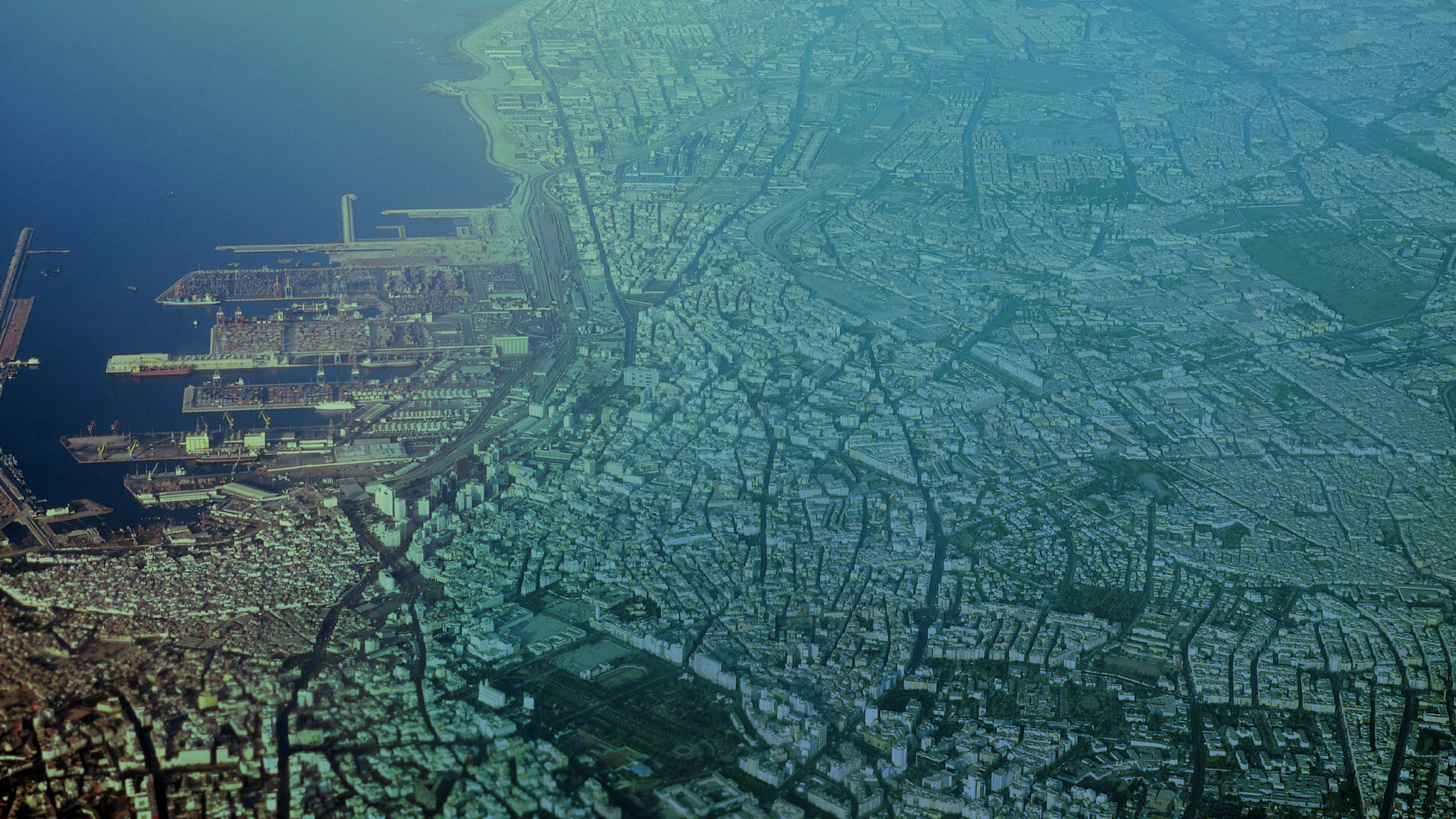
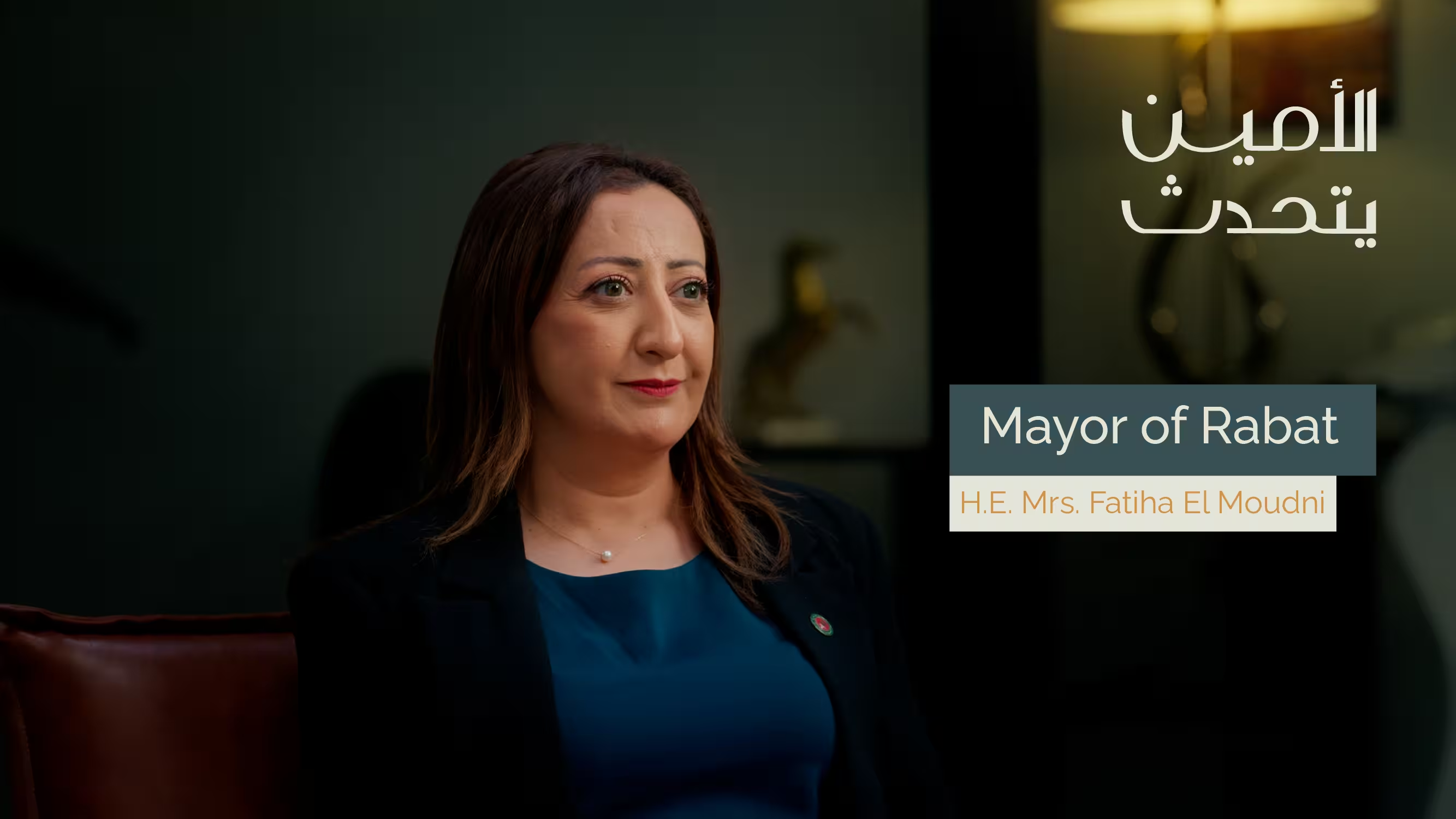
The Development Journey of the City of Rabat: The City of Lights
Apr 06, 2026Watch

The Development Journey of the City of Rabat: The City of Lights

JOBS AND CITIES SHAPING INCLUSIVE URBAN ECONOMIES IN ARAB CITIES
Jul 01, 2026View Issue

Jobs And Cities Shaping Inclusive Urban Economies In Arab Cities

Informal Settlements: An Approach Beyond Material Solutions Toward Sustainable Urban Transformation
Aug 25, 2026Watch

Informal Settlements: An Approach Beyond Material Solutions Toward Sustainable Urban Transformation

The Development Journey of the City of Rabat: The City of Lights
Apr 06, 2026Watch

The Development Journey of the City of Rabat: The City of Lights

Contact Us

Contact :

+966 114802666

Fax:

+966 114802666

Email:

info@araburban.org

Address

Abdullah Bin Hudhafah Al-Sahmi Street, Diplomatic Quarter, Riyadh 12521-3803, Saudi Arabia