

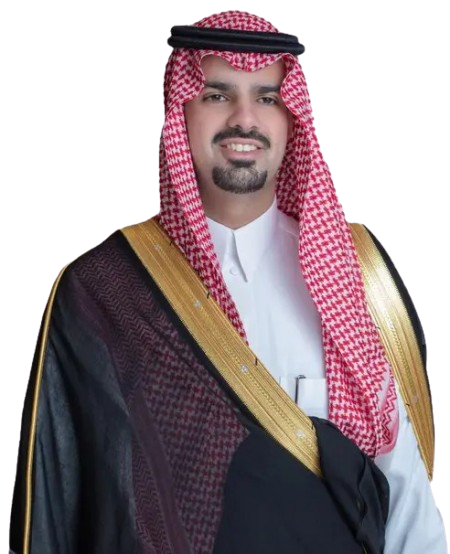
His Royal Highness Prince
Mayor of Riyadh Region, Chairman of the Institute
Arab cities are undergoing a significant phase of development amid profound transformations reshaping their urban landscapes. These include population growth, economic and climatic changes, and rising expectations among residents for higher-quality and more efficient urban services. Together, these developments are placing growing demands on cities and their municipal institutions, highlighting the need to strengthen institutional capabilities, harness knowledge and expertise, enhance operational tools, and build effective partnerships that support the achievement of urban development objectives.
In response to these evolving demands, the launch of the Arab Urban Development Institute’s (AUDI) 2030 Strategy marks a new chapter in the Institute’s institutional journey and reinforces its role in supporting the development priorities of Arab cities. Building on its longstanding commitment to serving cities and strengthening their capabilities, the strategy places particular emphasis on the importance of effective municipal institutions, knowledge-based urban policies, and strong regional and international cooperation networks. Through these interconnected priorities, AUDI seeks to facilitate the exchange of expertise, showcase successful Arab urban experiences, and strengthen the presence of Arab cities in the global urban development landscape.
As the specialized body of the Arab Towns Organization (ATO), AUDI will pursue this strategic direction through an integrated framework built around three strategic programs. These programs focus on advancing urban knowledge, strengthening municipal capacities, and fostering dialogue, cooperation, and the exchange of expertise among cities. Informed by the needs and priorities of member cities, they are designed to translate the strategy’s objectives into practical initiatives and solutions that take into account the diversity of urban contexts, the opportunities available to cities, and the distinct challenges they face.
Underpinning these programs is a set of guiding principles that will shape AUDI’s work and institutional approach in the years ahead. These include placing cities’ needs at the centre of its priorities, focusing on tangible impact and measurable results, fostering teamwork, and amplifying the voice of Arab cities in the global urban dialogue. To advance these principles, AUDI will continue to broaden its partnerships with cities, municipalities, universities, international organizations, and other stakeholders in urban development. Equally important will be investing in the development of a new generation of urban experts and municipal leaders, equipping them with the knowledge and capabilities to lead change and contribute effectively to the future of their cities.
As we present this strategy to our member cities, partners, and all those engaged in urban development across the Arab region, we look forward to translating its strategic directions into collaborative initiatives and projects that deliver lasting, tangible impact. By bringing together the efforts of cities and partners and fostering the exchange of knowledge and expertise, we can strengthen municipal institutions, improve the quality of life, and advance development and modernization across Arab cities. At the same time, we remain committed to preserving their cultural identities and urban heritage while enhancing their capacity to adapt to change, seize emerging opportunities, and meet the challenges of the future.
Prince Dr. Faisal bin Abdul Aziz bin Ayyaf
The President of AUDI, the Mayor of Riyadh Region Municipality