Close
Approach Words: Sustainability, Urban Livability, Urban Resilience
Public Policy Instruments: Infrastructure, Planning
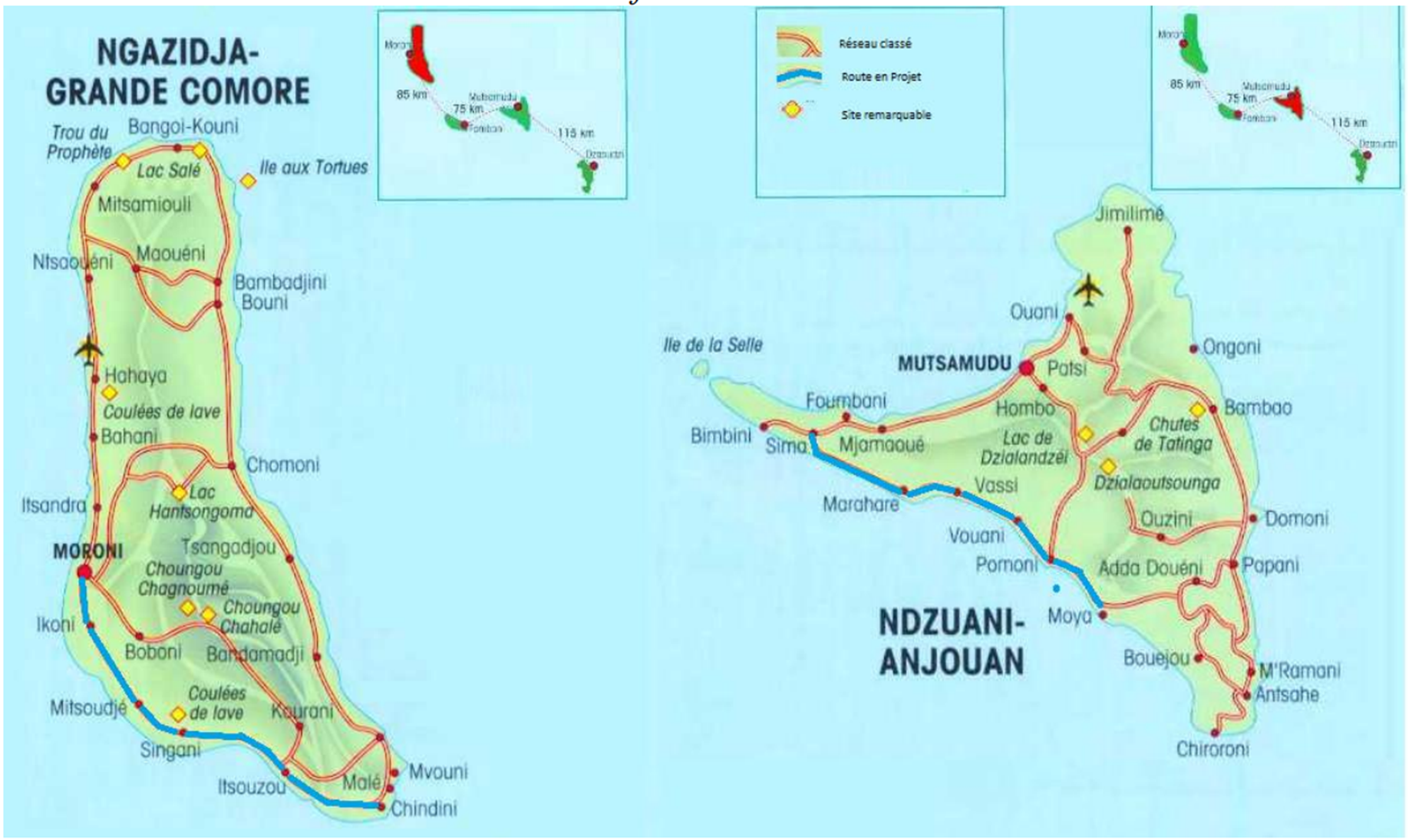
The 6.3 MW Moroni Solar Plant is grid-connected renewable energy project developedin the capital city of Moroni on the island of Ngazidja, forming a key component of the Union of the Comoros’ strategy to expand clean electricity generation, and improve national energy security1 and representing one of the largest renewable energy investments in the country.2
The vision of the project is “to accelerate the clean energy transition in Comoros by providing reliable, affordable, and sustainable electricity to urban and peri-urban areas”.3
It aims to deliver renewable electricity for over 5,000 households, supporting both residential and small commercial energy needs while improving the reliability of the national grid.4 5 It also seeks to lowering the country’s carbon footprint 6 by reducing dependence on imported fossil fuels.7
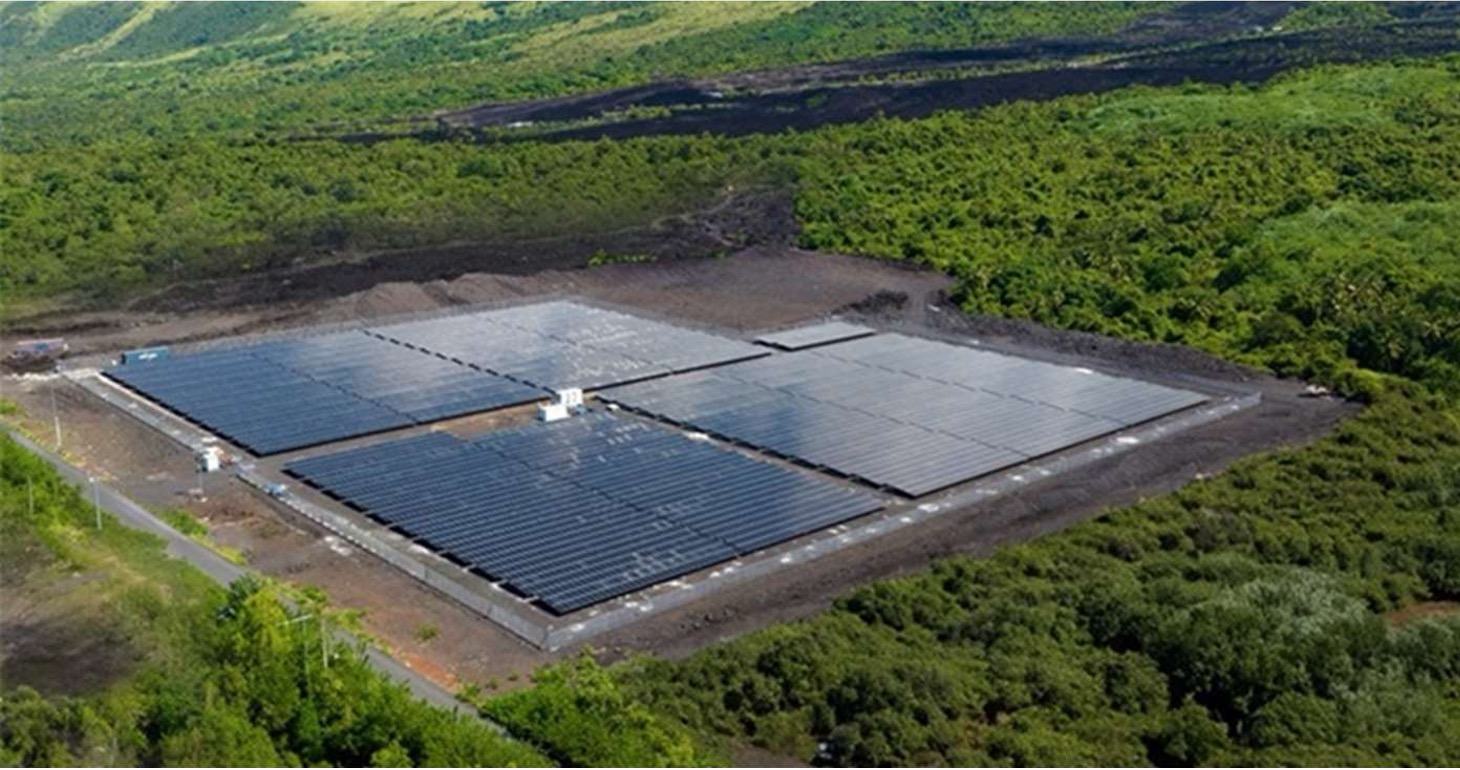
Title: The 6.3 MW Moroni Solar Plant
Source: Click Here
Title: The 6.3 MW Moroni Solar Plant
Source: Click Here
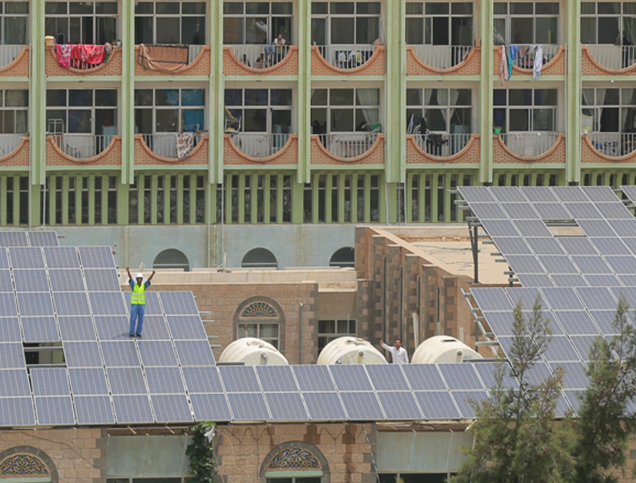
Located on a 12,000-square-metre site in Moroni, the facility integrates photovoltaic generation with grid interconnection infrastructure to enable continuous power delivery to the national network.8 Key components include:9
By replacing a portion of diesel-based electricity generation, the plant directly reduces carbon emissions and lowers exposure to volatile fuel import costs. It strengthens climate resilience by diversifying the national energy mix with locally available renewable resources and provides a visible demonstration of sustainable infrastructure suited to small island contexts.10
The project also creates temporary construction jobs for residents of Moroni and surrounding areas, and supports long-term local capacity-building in renewable energy maintenance and management.11

Owner/Developer (Public)
Owner/Developer (Public)
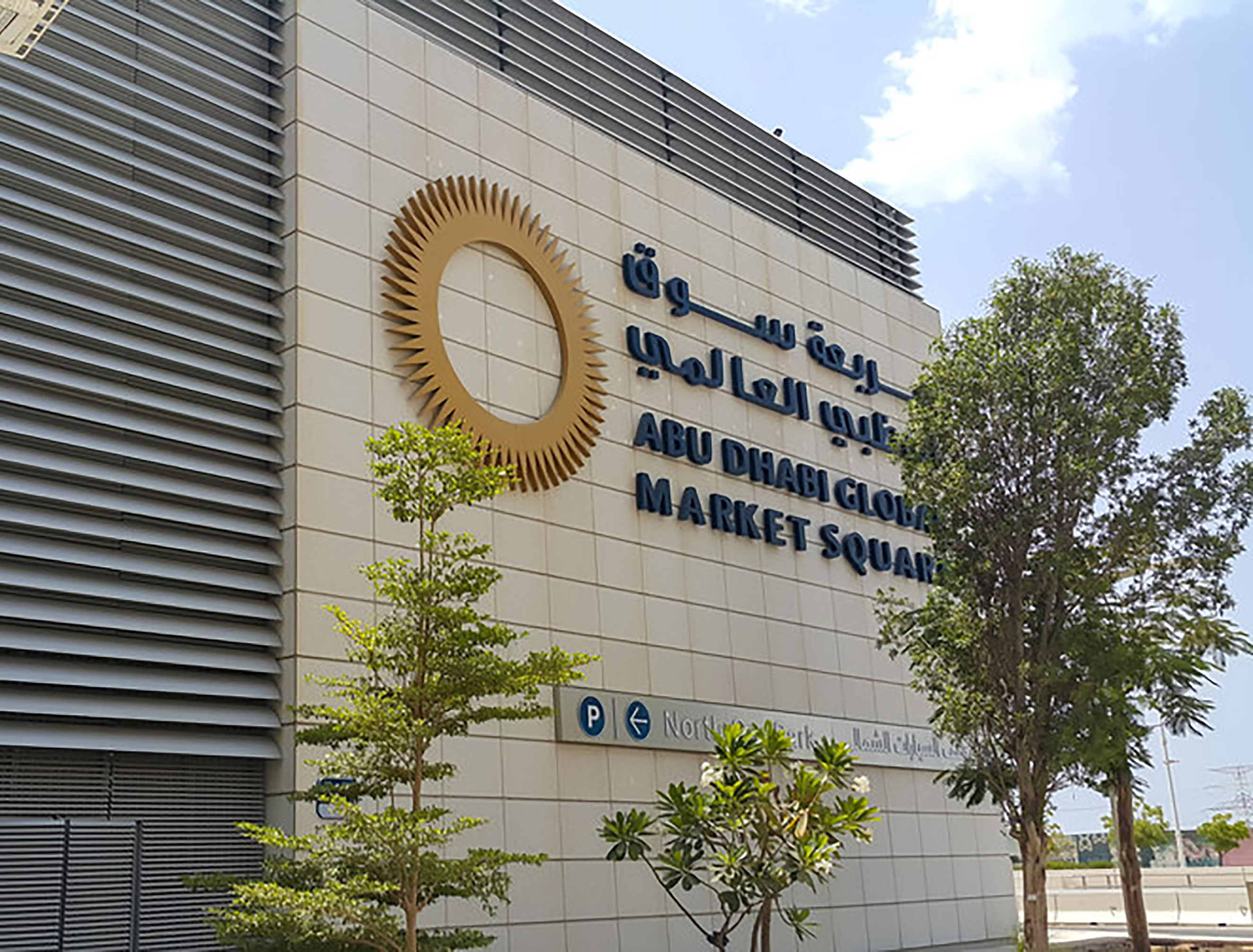
The project was financed by the Abu Dhabi Fund for Development (ADFD) as part of its renewable energy investment portfolio supporting climate action in developing countries.12 National oversight is provided by Comoros’ energy sector authorities and national utility, which operate the grid and manage power distribution. Local contractors and technicians participated in construction and installation, while knowledge transfer activities support long-term operation and maintenance capacity within the country.13
Project Link
Endnotes
References
An online library where you can explore relevant data on urban development in the Arab cities.
More



Lorem ipsum dolor sit amet consectetur. Lacus nibh neque erat massa elementum. Ultricies ante sed sed nunc massa ider.
Last updated 3 mins ago
Lorem ipsum dolor sit amet consectetur. Lacus nibh neque erat massa elementum. Ultricies ante sed sed nunc massa ider.
Last updated 3 mins ago
Lorem ipsum dolor sit amet consectetur. Lacus nibh neque erat massa elementum. Ultricies ante sed sed nunc massa ider.
Last updated 3 mins ago
Lorem ipsum dolor sit amet consectetur. Lacus nibh neque erat massa elementum. Ultricies ante sed sed nunc massa ider.
Last updated 3 mins ago
Lorem ipsum dolor sit amet consectetur. Lacus nibh neque erat massa elementum. Ultricies ante sed sed nunc massa ider.
Last updated 3 mins ago
Lorem ipsum dolor sit amet consectetur. Lacus nibh neque erat massa elementum. Ultricies ante sed sed nunc massa ider.
Last updated 3 mins ago