Close
Approach Words: Environment Preservation, Sustainability, Urban Livability
Public Policy Instruments: Financial Mechanism, Physical Intervention, Planning, Regulatory
The Makkah Municipal Solid Waste Project is a development initiative addressing waste management challenges in Makkah, Saudi Arabia, a city experiences significant waste generation spikes during annual Hajj pilgrimage.1 Unique for its circular economy approach, the project focuses on converting waste into energy and recyclable materials instead of relying on traditional landfilling.2
Launched in 2016, the project operates under the vision of “transforming waste into resources to achieve sustainable urban development”.3 Its goals align with Saudi Arabia’s Vision 2030, emphasizing environmental sustainability and reducing landfill dependency.4 It also forms part of the broader National Waste Management Strategy, which prioritizes waste reduction and resource recovery.5
The project aims to introduce circular economy principles into Makkah’s waste system, reduce landfill dependency through recycling, recovery, and WtE solutions, support sustainable urban development in line with Vision 2030, as well as positioning Makkah as a model for waste management in Islamic cities.6 7
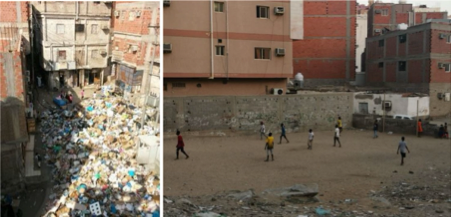
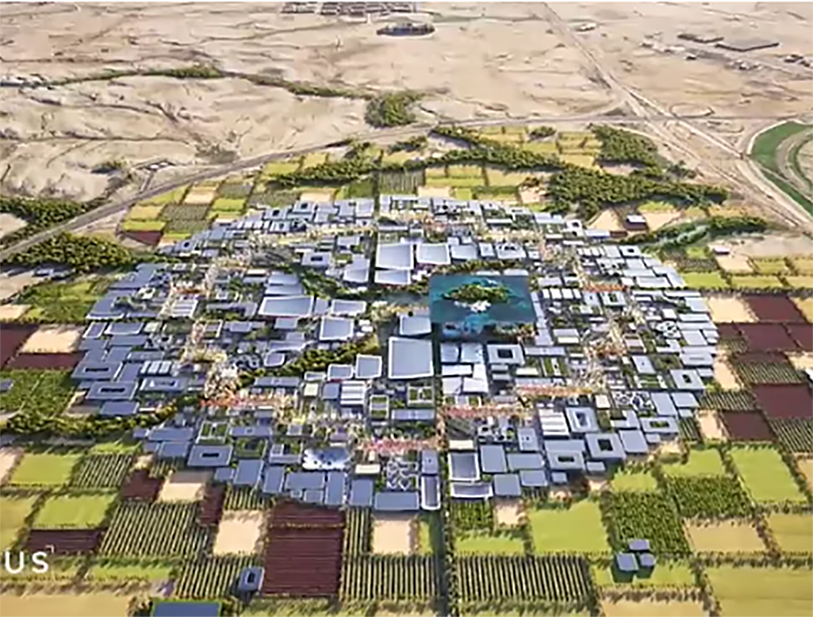
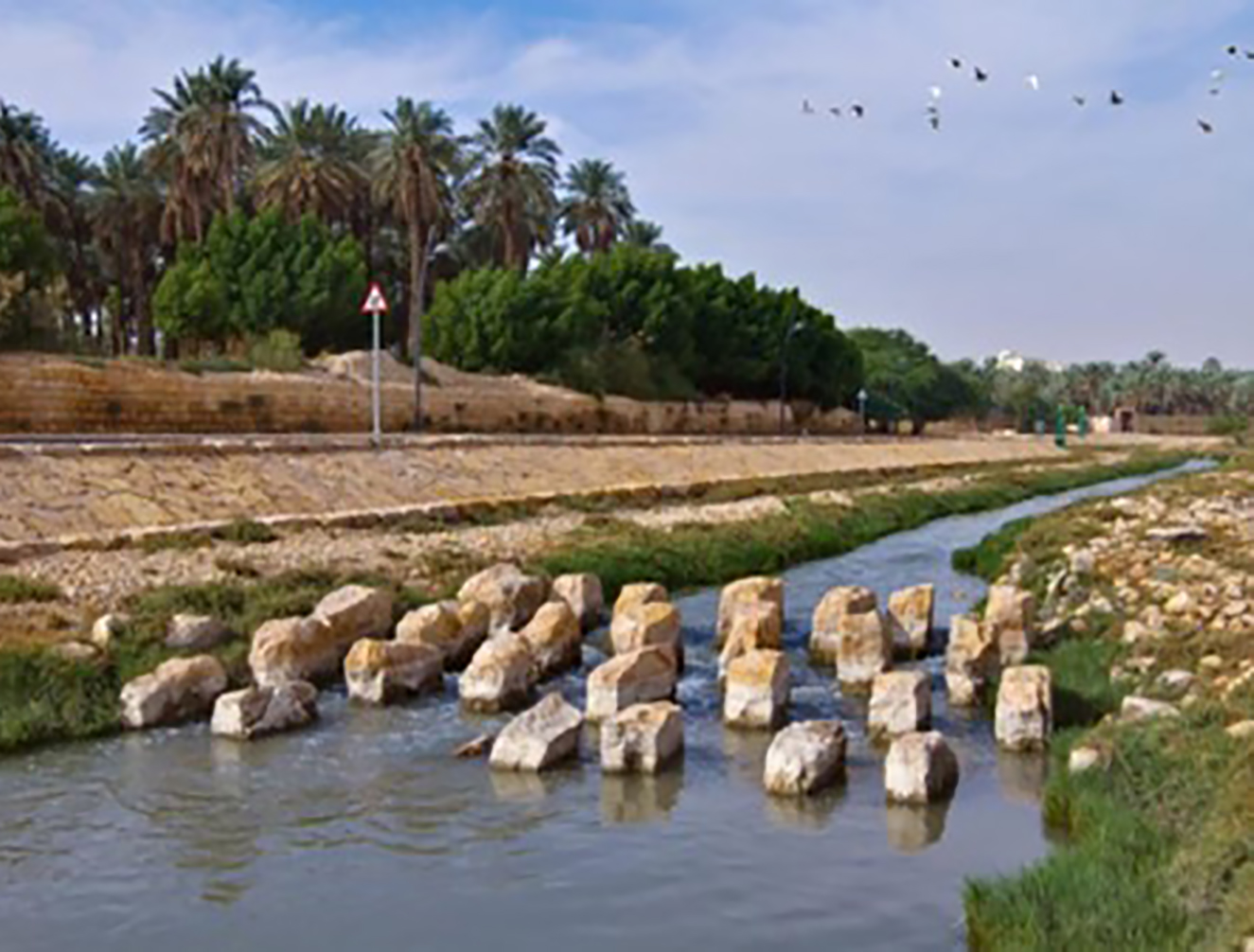
Title: A public open space within an informal settlement exhibiting contested land use, now has been developed to be used as a community recreational area.
Source: Click Here
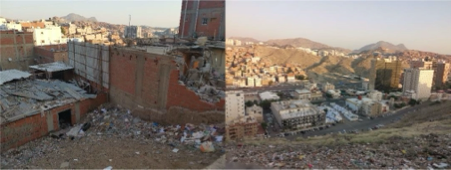
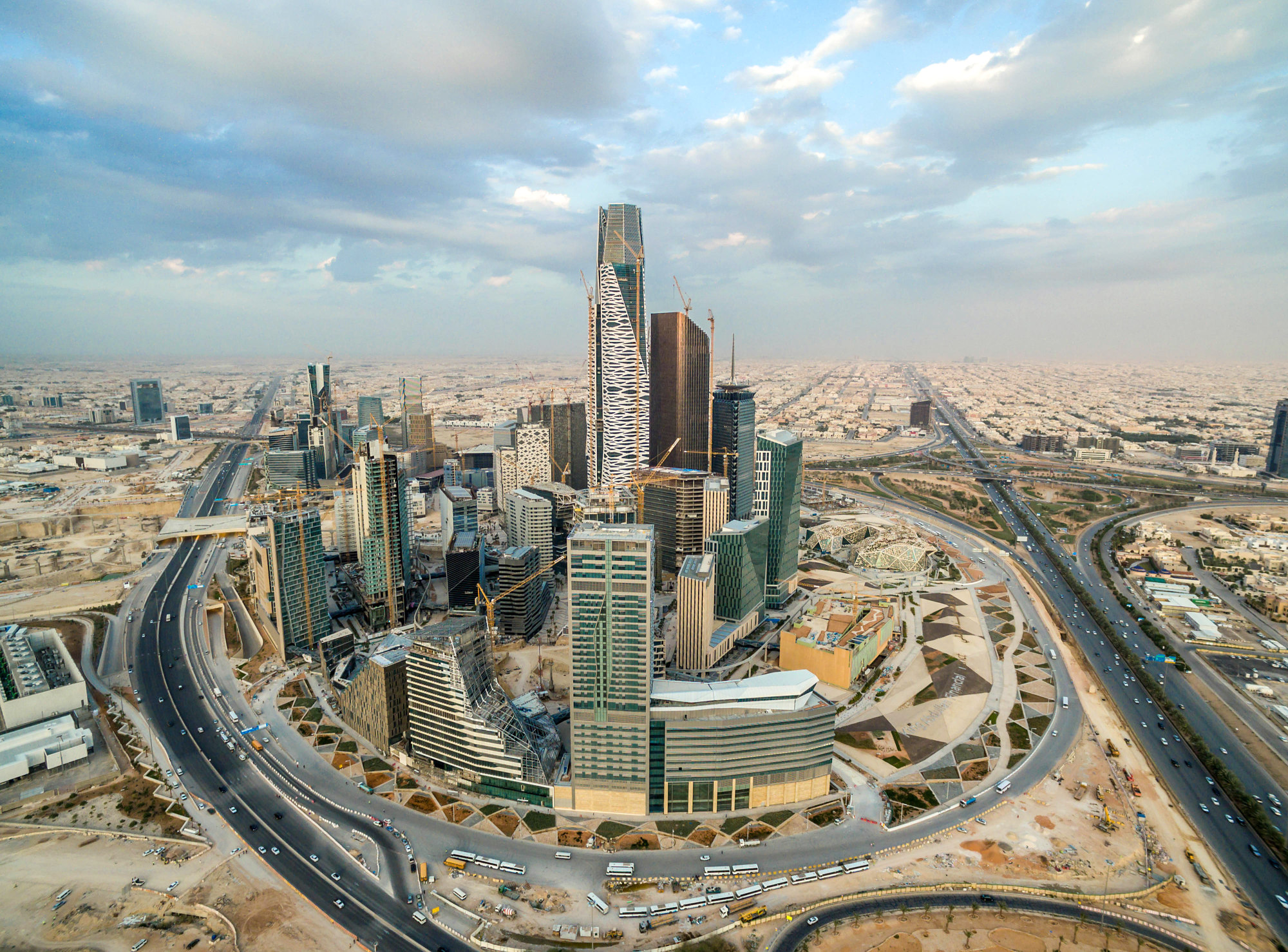
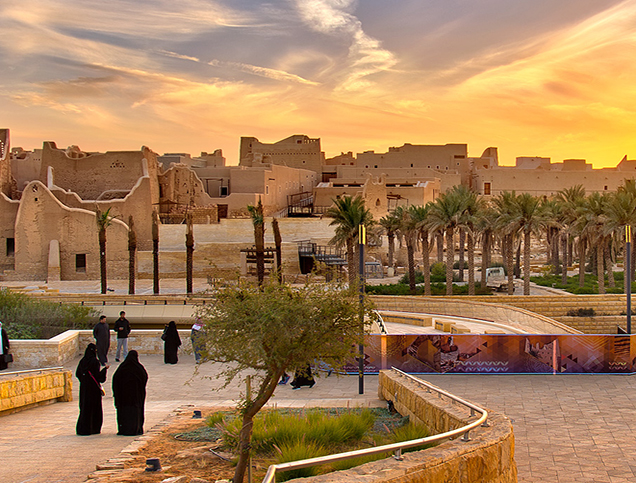
Title: Vacant land parcels within the informal settlements of Al-Khalidyah are predominantly utilized for the unregulated disposal of solid waste, indicating a lack of formal management and service provision.
Source: Click Here
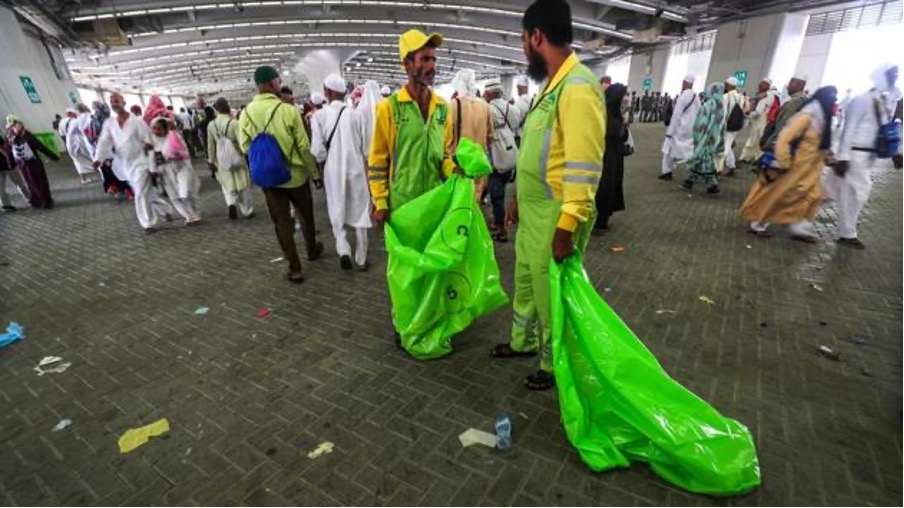
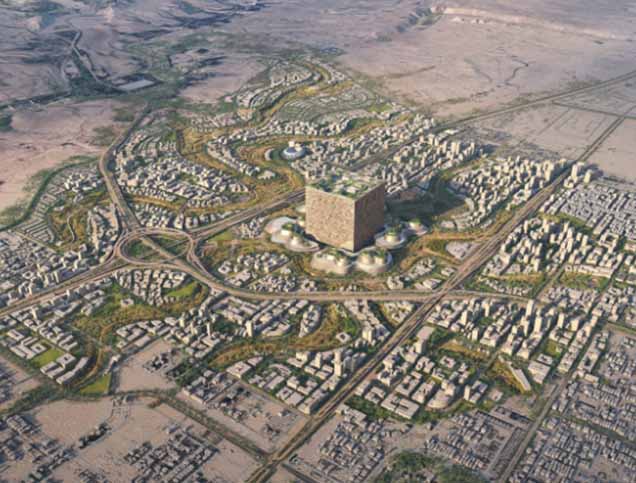
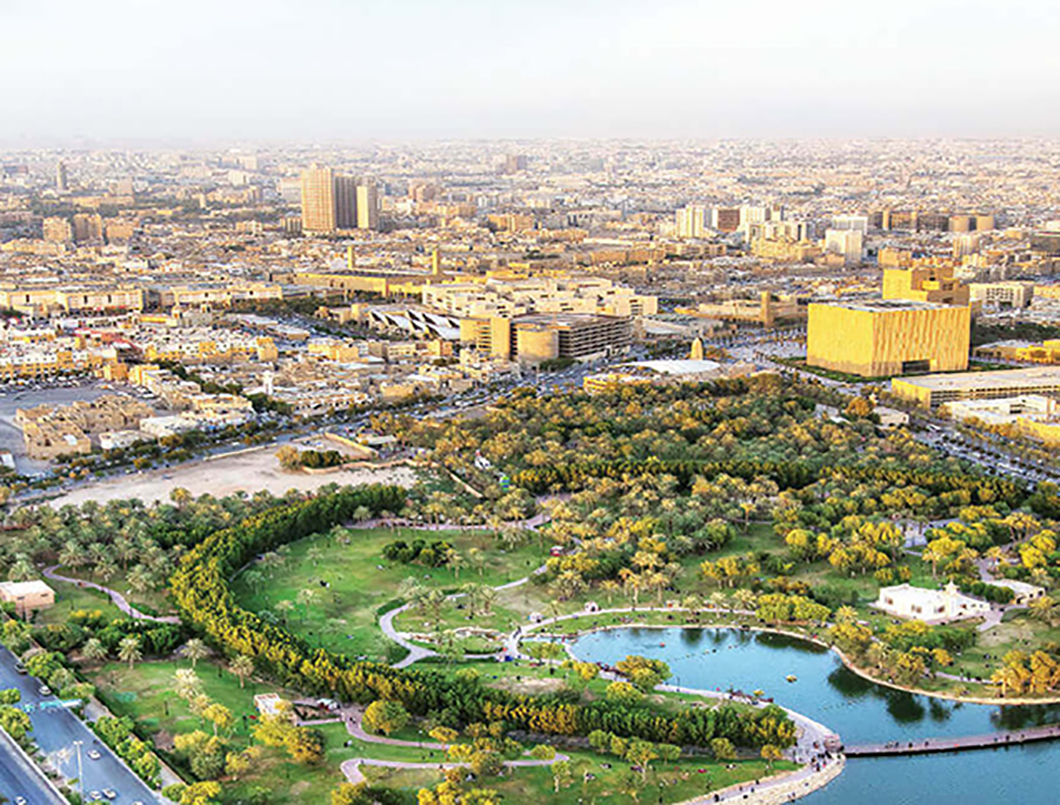
Title: Sanitation workers conducting litter removal to maintain public hygiene during the Hajj pilgrimage. This activity is a critical component of public health strategy during mass gathering events.
Source: Click Here
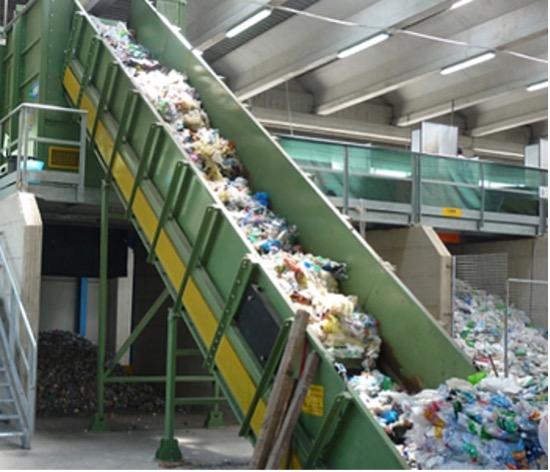
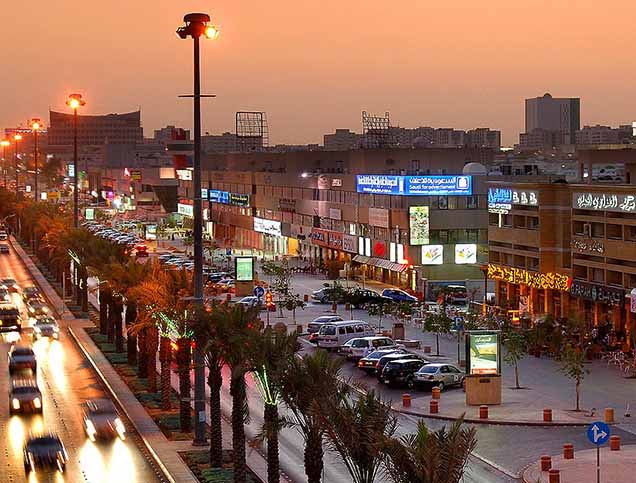
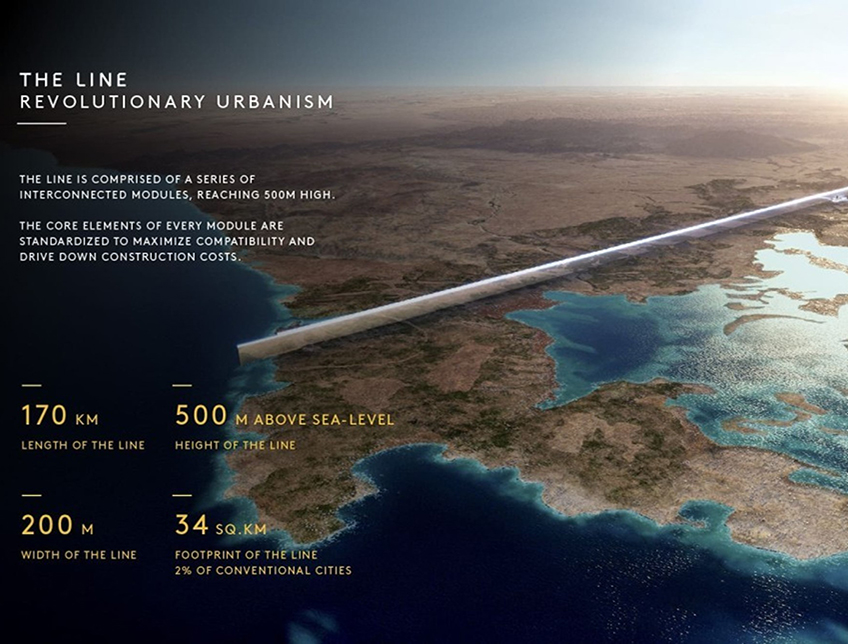
Title: An assembly of waste management machinery at a facility in Makkah. Pictured are key components of the waste processing line, such as recycling separators and industrial balers, which are essential for managing the high volumes of waste generated in the city.
Source: Click Here
Title: A public open space within an informal settlement exhibiting contested land use, now has been developed to be used as a community recreational area.
Source: Click Here
Title: Vacant land parcels within the informal settlements of Al-Khalidyah are predominantly utilized for the unregulated disposal of solid waste, indicating a lack of formal management and service provision.
Source: Click Here
Title: Sanitation workers conducting litter removal to maintain public hygiene during the Hajj pilgrimage. This activity is a critical component of public health strategy during mass gathering events.
Source: Click Here
Title: An assembly of waste management machinery at a facility in Makkah. Pictured are key components of the waste processing line, such as recycling separators and industrial balers, which are essential for managing the high volumes of waste generated in the city.
Source: Click Here
To implement its objectives, the Makkah Municipal Solid Waste Project spans across both formal city areas and underserved informal public areas.8 Key components include:

Owner/Developer (Public)

Consultant/Designer

Funder

Contractor/Implementer
Owner/Developer (Public)
Contractor/Implementer
Funder
Consultant/Designer
The project is primary managed by Saudi Arabia’s Ministry of Environment, Water, and Agriculture, with operational oversight from the National Waste Management Center (Tadweer).16 Private partners, including Veolia and Averda, handling waste treatment and energy recovery.17 Further, King Abdulaziz University, as an academic partner contributing to biorefinery research.18
The project is being implemented in three phases:
As of 2023, the project has improved landfill diversion rates, though public participation in waste segregation remains a challenge.22 Once fully operational, it aims to position Makkah as a leading model for sustainable waste management in Islamic cities.23
Project Link
Endnotes
N.A.
References
An online library where you can explore relevant data on urban development in the Arab cities.
More

Lorem ipsum dolor sit amet consectetur. Lacus nibh neque erat massa elementum. Ultricies ante sed sed nunc massa ider.
Last updated 3 mins ago
Lorem ipsum dolor sit amet consectetur. Lacus nibh neque erat massa elementum. Ultricies ante sed sed nunc massa ider.
Last updated 3 mins ago
Lorem ipsum dolor sit amet consectetur. Lacus nibh neque erat massa elementum. Ultricies ante sed sed nunc massa ider.
Last updated 3 mins ago
Lorem ipsum dolor sit amet consectetur. Lacus nibh neque erat massa elementum. Ultricies ante sed sed nunc massa ider.
Last updated 3 mins ago
Lorem ipsum dolor sit amet consectetur. Lacus nibh neque erat massa elementum. Ultricies ante sed sed nunc massa ider.
Last updated 3 mins ago
Lorem ipsum dolor sit amet consectetur. Lacus nibh neque erat massa elementum. Ultricies ante sed sed nunc massa ider.
Last updated 3 mins ago