Close
Approach Words: Environment Preservation, Sustainability, Urban Livability
Public Policy Instruments: Physical Intervention, Planning
The SEKEM Organic Waste Recycling initiative is part of SEKEM’s broader agricultural rehabilitation efforts in Egypt, operating across 1,628 feddan (684 hectares) of reclaimed desert land.1 Established in 1977 and headquartered at 3 Belbes Desert Road, Cairo, SEKEM integrates biodynamic farming with modern recycling to form a closed-loop system.2 The project aligns with Egypt’s Sustainable Development Strategy 2030, focusing on circular economy principles and reducing reliance on landfills.3 4
It seeks to convert organic waste into compost and biogas, support 130 contracted farmers and over 400 small-holding farmers and promote sustainable agriculture by providing organic fertilizer and renewable solutions.5
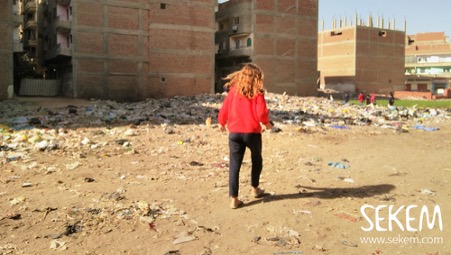
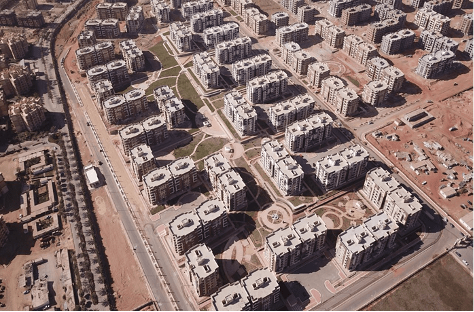
Title: The collection efficiency for municipal solid waste (MSW) in Egypt stands at an estimated 60%, indicating a substantial portion of generated waste remains unmanaged.
Source: Click Here
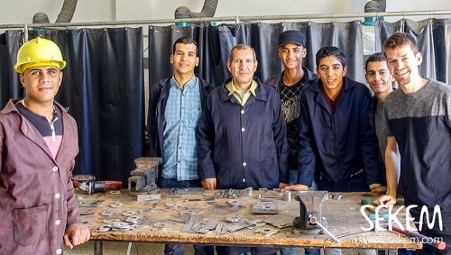
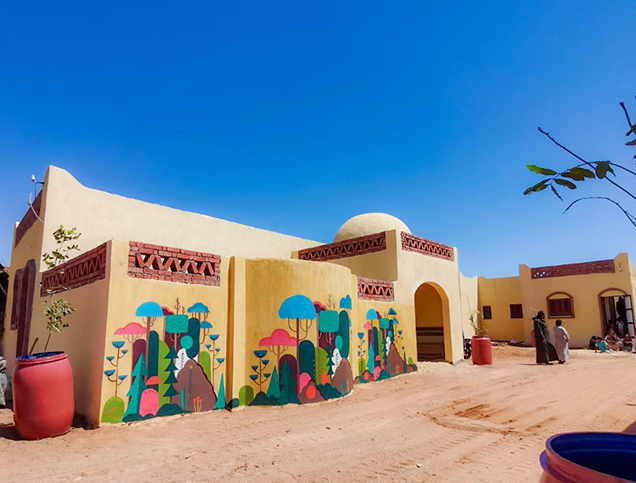
Title: The apparatus for the recycling process was fabricated through a partnership between the research team and students of the SEKEM Vocational Training Center.
Source: Click Here
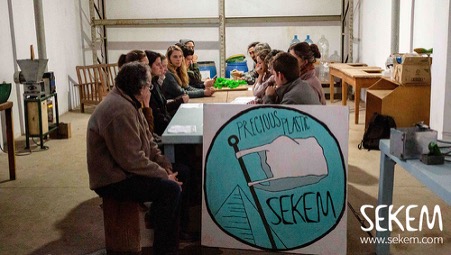
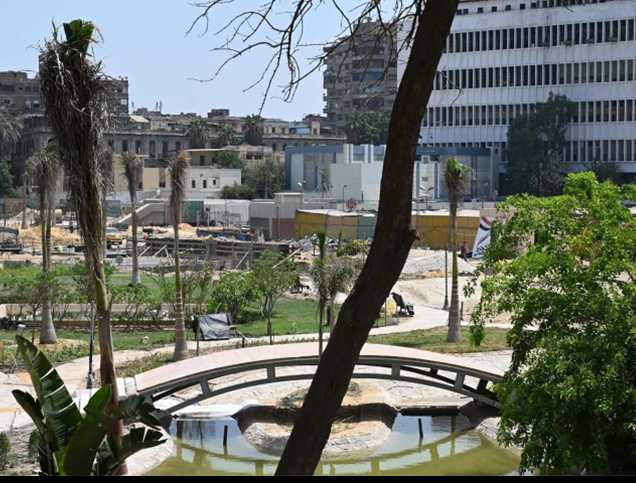
Title: As part of a new institutional policy to eliminate plastic waste, stakeholder consultations are conducted regularly with representatives from various SEKEM institutions to develop and implement a phase-out strategy.
Source: Click Here
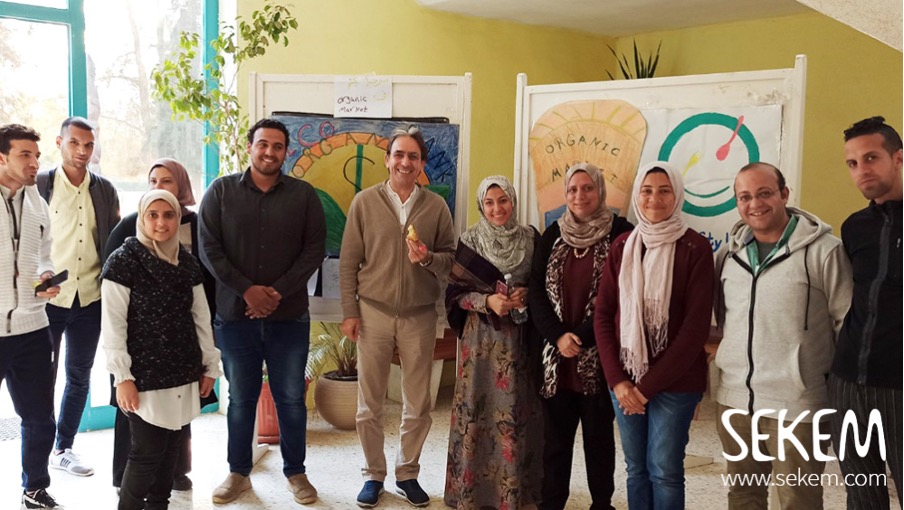
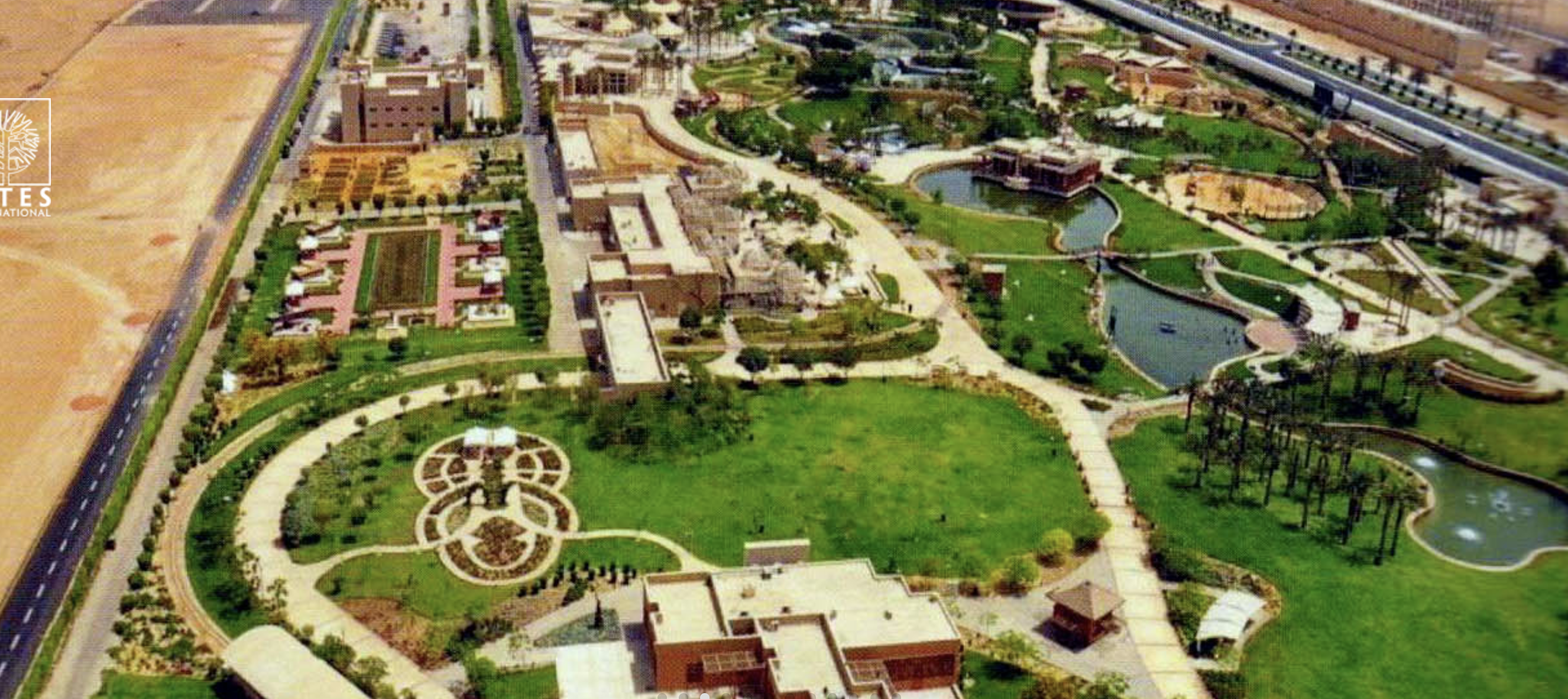
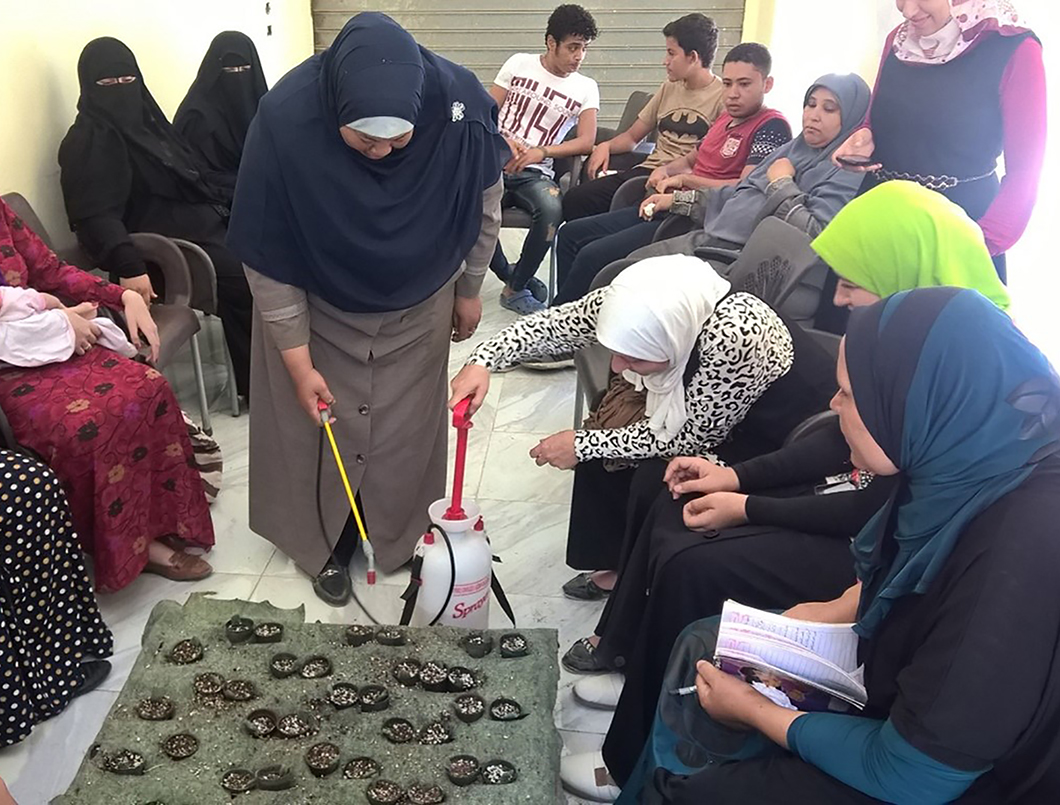
Title: A capacity-building workshop focused on training stakeholders in material sorting, waste segregation, and best practices for sustainable recycling.
Source: Click Here
Title: The collection efficiency for municipal solid waste (MSW) in Egypt stands at an estimated 60%, indicating a substantial portion of generated waste remains unmanaged.
Source: Click Here
Title: The apparatus for the recycling process was fabricated through a partnership between the research team and students of the SEKEM Vocational Training Center.
Source: Click Here
Title: As part of a new institutional policy to eliminate plastic waste, stakeholder consultations are conducted regularly with representatives from various SEKEM institutions to develop and implement a phase-out strategy.
Source: Click Here
Title: A capacity-building workshop focused on training stakeholders in material sorting, waste segregation, and best practices for sustainable recycling.
Source: Click Here
SEKEM’s waste recycling initiative is built around waste recovery and agricultural integration across its farms in El Wahat El Bahareya (500 feddan), Minya (500 feddan), Adleya (150 feddan), and Sinai (1,000 feddan).6
Key components include:7 8 9

Owner/Developer

Consultant/Designer

Contractor/Implementer
Owner/Developer
Contractor/Implementer
Consultant/Designer
The initiative is managed by SEKEM’s General Compliance Manager, in collaboration with the Egyptian government institutions, private sector partners, notably Eni, and international organizations.10 11
A notable milestone includes a 2021 partnership with the Ministry of Petroleum and Eni, expanding renewable energy infrastructure.12
Progress achieved so far includes:
The project is ongoing, with SEKEM now distributing compost to its network of farmers and aiming to make organic agriculture as Egypt’s industry standard by 2030.17
Project Link
Endnotes
N.A.
References
An online library where you can explore relevant data on urban development in the Arab cities.
More





Lorem ipsum dolor sit amet consectetur. Lacus nibh neque erat massa elementum. Ultricies ante sed sed nunc massa ider.
Last updated 3 mins ago
Lorem ipsum dolor sit amet consectetur. Lacus nibh neque erat massa elementum. Ultricies ante sed sed nunc massa ider.
Last updated 3 mins ago
Lorem ipsum dolor sit amet consectetur. Lacus nibh neque erat massa elementum. Ultricies ante sed sed nunc massa ider.
Last updated 3 mins ago
Lorem ipsum dolor sit amet consectetur. Lacus nibh neque erat massa elementum. Ultricies ante sed sed nunc massa ider.
Last updated 3 mins ago
Lorem ipsum dolor sit amet consectetur. Lacus nibh neque erat massa elementum. Ultricies ante sed sed nunc massa ider.
Last updated 3 mins ago
Lorem ipsum dolor sit amet consectetur. Lacus nibh neque erat massa elementum. Ultricies ante sed sed nunc massa ider.
Last updated 3 mins ago