Close
Approach Words: Comprehensive Management, Environment Preservation, Sustainability
Public Policy Instruments: Organization, Planning, Regulatory
The National Centre for Waste Management (MWAN) is a new development initiative for regulating and overseeing waste management activities in the Kingdom of Saudi Arabia.1 2 Headquartered in Riyadh and established by Cabinet Resolution No. 457 dated 11/8/1440H n 2019, it represents a central institution that focuses on strengthening governance, encouraging investment, and improving service quality while building a sustainable waste management system that aligns with national development priorities.3 4
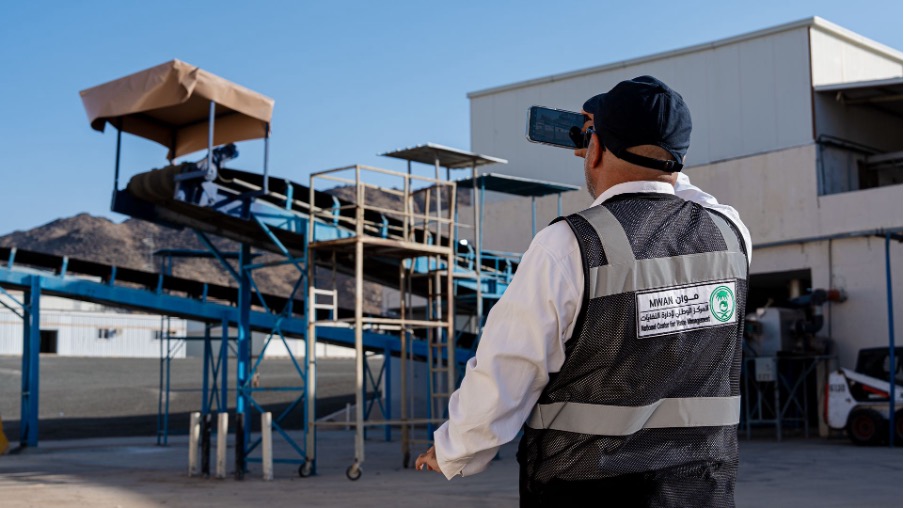
Title: Regulatory monitoring of national waste management activities is conducted by the National Center for Waste Management (MWAN) to ensure sector-wide compliance with environmental laws and operational standards.
Source: Click Here
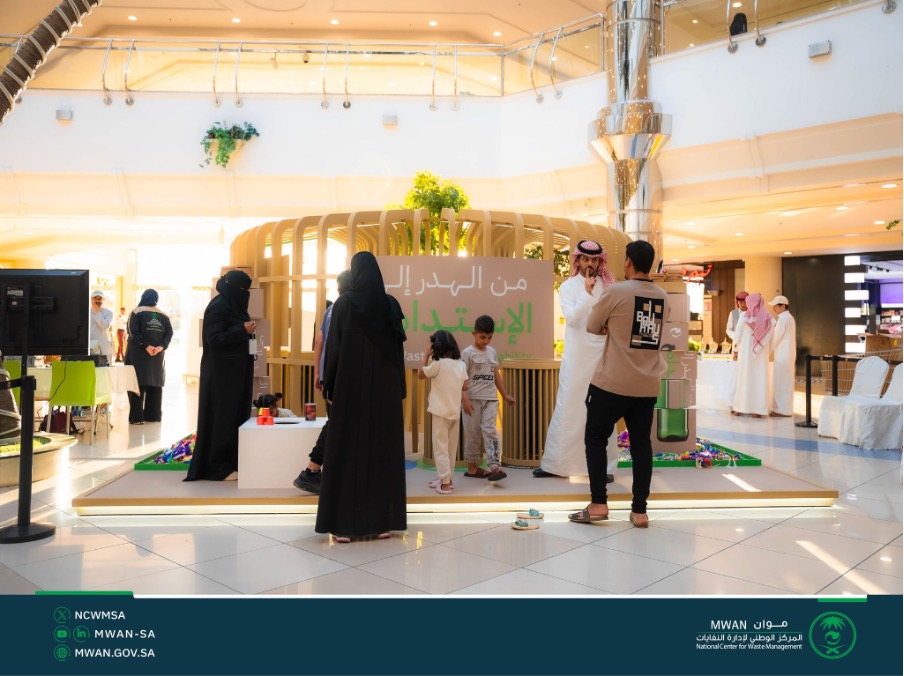
Title: The pavilion for the National Center for Waste Management (MWAN) at Environment Week 2025 in Al Madinah functioned as an educational outreach station, acquainting visitors with waste management concepts to foster positive environmental behaviors
Source: Click Here
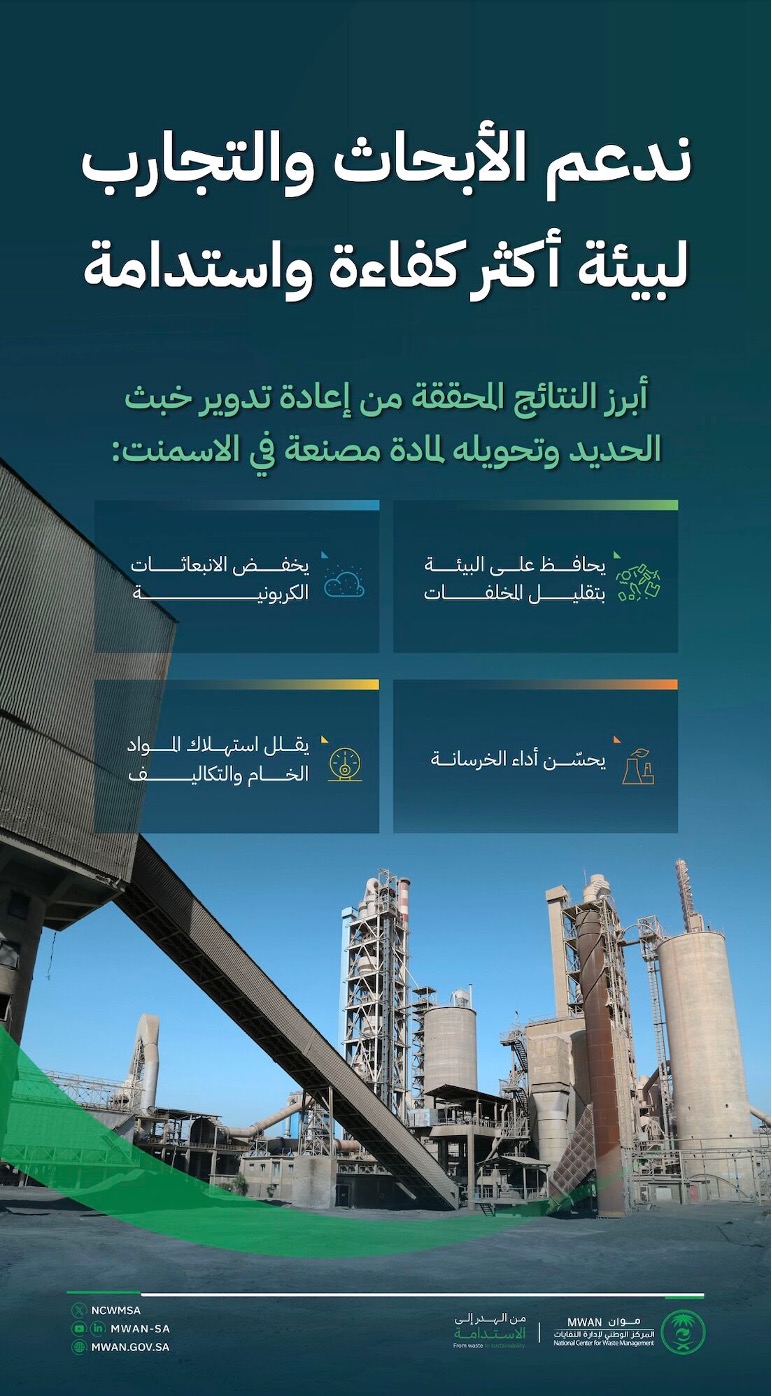
Title: Public outreach material from a National Center for Waste Management (MWAN) campaign designed to communicate the principles and importance of environmental sustainability.
Source: Click Here
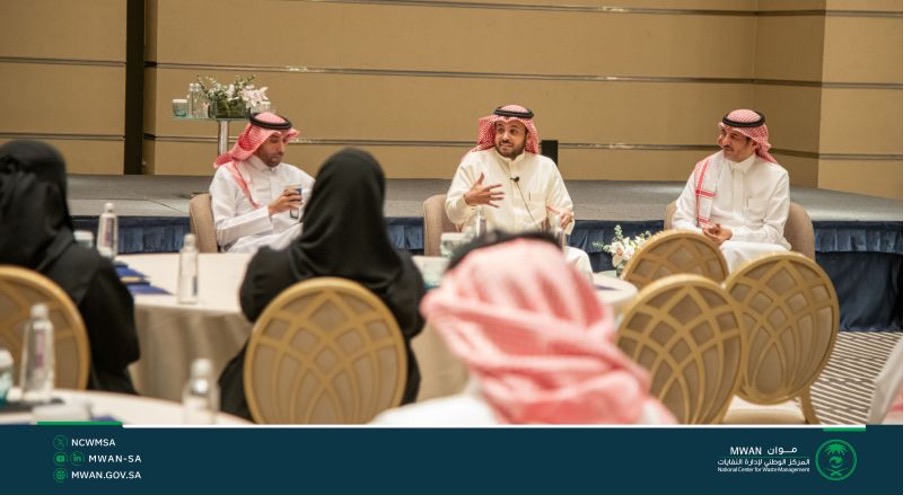
Title: A panel of specialists during the third expert symposium hosted by the National Center for Waste Management (MWAN). The event's agenda centered on emerging trends and innovative solutions in waste management, facilitating knowledge exchange and the dissemination of best practices.
Source: Click Here
Title: Regulatory monitoring of national waste management activities is conducted by the National Center for Waste Management (MWAN) to ensure sector-wide compliance with environmental laws and operational standards.
Source: Click Here
Title: The pavilion for the National Center for Waste Management (MWAN) at Environment Week 2025 in Al Madinah functioned as an educational outreach station, acquainting visitors with waste management concepts to foster positive environmental behaviors
Source: Click Here
Title: Public outreach material from a National Center for Waste Management (MWAN) campaign designed to communicate the principles and importance of environmental sustainability.
Source: Click Here
Title: A panel of specialists during the third expert symposium hosted by the National Center for Waste Management (MWAN). The event's agenda centered on emerging trends and innovative solutions in waste management, facilitating knowledge exchange and the dissemination of best practices.
Source: Click Here
The centre envisions the waste sector as “a driver of sustainability by embedding circular economy principles into its operations”. Its vision to protect the environment, enhance quality of life, and contribute to Saudi Arabia’s transition toward sustainable development.5 6
The project aims to regulate and professionalize waste management, improve the sector’s investment appeal, encourage responsible behaviours, increase compliance, drive digital transformation, and maximise data benefits; all consistent with the broader focus of Saudi Vision 2030 of creating a vibrant society and a more sustainable economy.7
To implement its vision, NWAN delivers a comprehensive regularity and operational framework as a national master plan for waste management.8 9 This framework includes the following oversight tools:
The plan integrates sustainability by emphasizing compliance with international standards,14 15 promoting digital transformation, and fostering innovation in waste treatment and recycling.16


Funder
Funder
The National Centre for Waste Management is governed by a board of directors chaired by the Minister of Environment, Water, and Agriculture.17 It collaborates with a wide array of stakeholders, including government departments, municipal authorities, waste management companies, private investors, and academic institutions.18
Since its establishment in 2019, NWAN has transitioned from institutional setup to full operation. The initial phase focused on creating regulations and licensing systems, followed by oversight of waste operations and the launch of investment promotion mechanisms. The ongoing phase emphasizes innovation, digitalisation, and advanced sustainability practices. Future phases are expected to further scale up circular economy models and expand the integration of research-driven technologies across the Kingdom.19
Project Link
Endnotes
N.A.
References
An online library where you can explore relevant data on urban development in the Arab cities.
More




Lorem ipsum dolor sit amet consectetur. Lacus nibh neque erat massa elementum. Ultricies ante sed sed nunc massa ider.
Last updated 3 mins ago
Lorem ipsum dolor sit amet consectetur. Lacus nibh neque erat massa elementum. Ultricies ante sed sed nunc massa ider.
Last updated 3 mins ago
Lorem ipsum dolor sit amet consectetur. Lacus nibh neque erat massa elementum. Ultricies ante sed sed nunc massa ider.
Last updated 3 mins ago
Lorem ipsum dolor sit amet consectetur. Lacus nibh neque erat massa elementum. Ultricies ante sed sed nunc massa ider.
Last updated 3 mins ago
Lorem ipsum dolor sit amet consectetur. Lacus nibh neque erat massa elementum. Ultricies ante sed sed nunc massa ider.
Last updated 3 mins ago
Lorem ipsum dolor sit amet consectetur. Lacus nibh neque erat massa elementum. Ultricies ante sed sed nunc massa ider.
Last updated 3 mins ago