Close
Approach Words: Environment Preservation, Sustainability
Public Policy Instruments: Communicative, Financial Mechanism
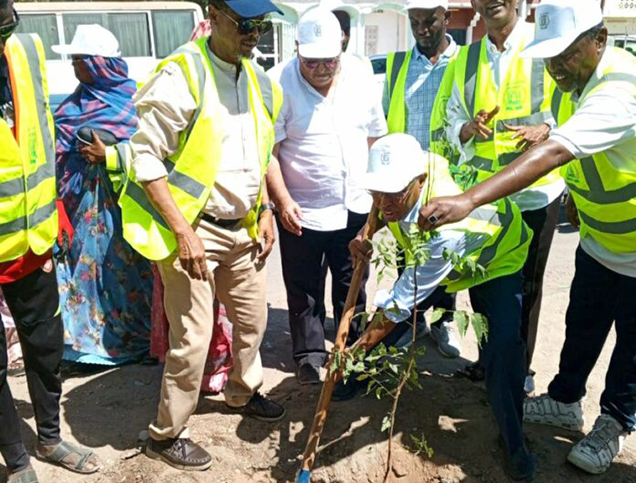
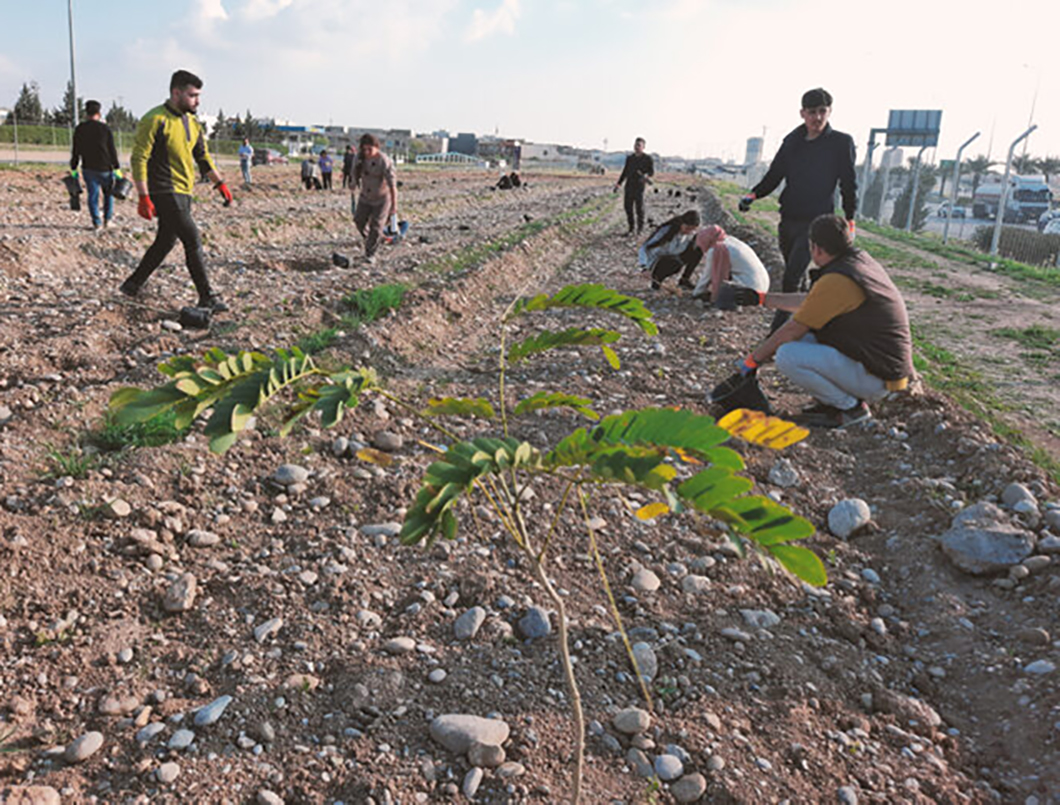
The Khartoum Recycling Festival is a public awareness and community-engagement initiative launched to promote recycling, waste reduction, and environmental responsibility in Sudan’s capital.1 Conceived as a large-scale civic event, the festival combines educational activities, recycling demonstrations, material collection drives, and cultural programming to raise awareness of urban waste challenges and inspire behavioral change among residents.2 3 It represents one of the earliest coordinated public recycling events in Khartoum and highlights locally driven responses to solid-waste management issues.4 5
The festival’s vision is to reframe waste as a potential community resource rather than solely a disposal problem. Its aims include encouraging residents to participate in basic recycling and reuse practices, strengthening public understanding of waste streams and material recovery, and demonstrating accessible, small-scale approaches to waste sorting and reuse. A parallel aim is to bring together civil society actors, municipal authorities, and youth groups to co-create locally appropriate solutions and stimulate broader public dialogue on environmental stewardship in Khartoum.6 7
The Khartoum Recycling Festival is structured around participatory and educational activities. Core components include:8 9

By promoting recycling and circular practices, the festival contributes to improved public awareness of waste management and encourages behavioral change at the household and community levels.10 while not a substitute for formal waste infrastructure, the even helps reduce littering, supports informal recycling initiatives, and stimulates discussion around waste segregation and reuse. In Khartoum’s constrained waste-management context, the festival functions as a catalyst for local innovation and community-led environmental action.11
The festival is organised through collaboration among local community organizations, and environmental advocates, and youth-led initiatives.12 13 Partnering partners include cultural associations, volunteer groups, and informal recycling actors who contribute organizational capacity, local networks, and creative inputs.14
Project Link
Endnotes
References
An online library where you can explore relevant data on urban development in the Arab cities.
More




Lorem ipsum dolor sit amet consectetur. Lacus nibh neque erat massa elementum. Ultricies ante sed sed nunc massa ider.
Last updated 3 mins ago
Lorem ipsum dolor sit amet consectetur. Lacus nibh neque erat massa elementum. Ultricies ante sed sed nunc massa ider.
Last updated 3 mins ago
Lorem ipsum dolor sit amet consectetur. Lacus nibh neque erat massa elementum. Ultricies ante sed sed nunc massa ider.
Last updated 3 mins ago
Lorem ipsum dolor sit amet consectetur. Lacus nibh neque erat massa elementum. Ultricies ante sed sed nunc massa ider.
Last updated 3 mins ago
Lorem ipsum dolor sit amet consectetur. Lacus nibh neque erat massa elementum. Ultricies ante sed sed nunc massa ider.
Last updated 3 mins ago
Lorem ipsum dolor sit amet consectetur. Lacus nibh neque erat massa elementum. Ultricies ante sed sed nunc massa ider.
Last updated 3 mins ago