Close
Approach Words: Environment Preservation, Sustainability, Urban Livability
Public Policy Instruments: Financial Mechanism, Physical Intervention
The Ramallah Wastewater Reuse Project is an urban water-reuse initiative in Palestine that captures treated wastewater from Ramallah’s wastewater treatment plant and redistributes it for non-portable uses, reduces pressure on scarce potable water resources.1
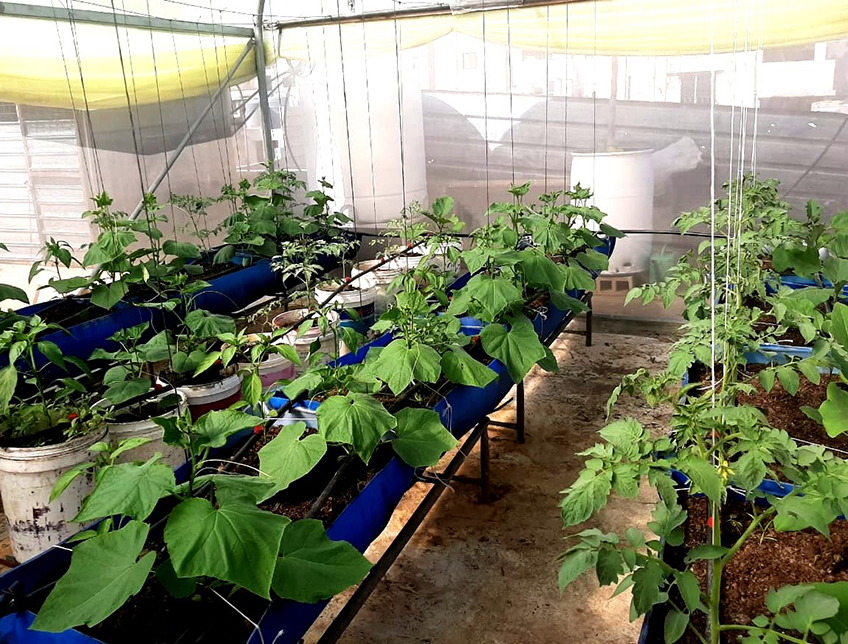
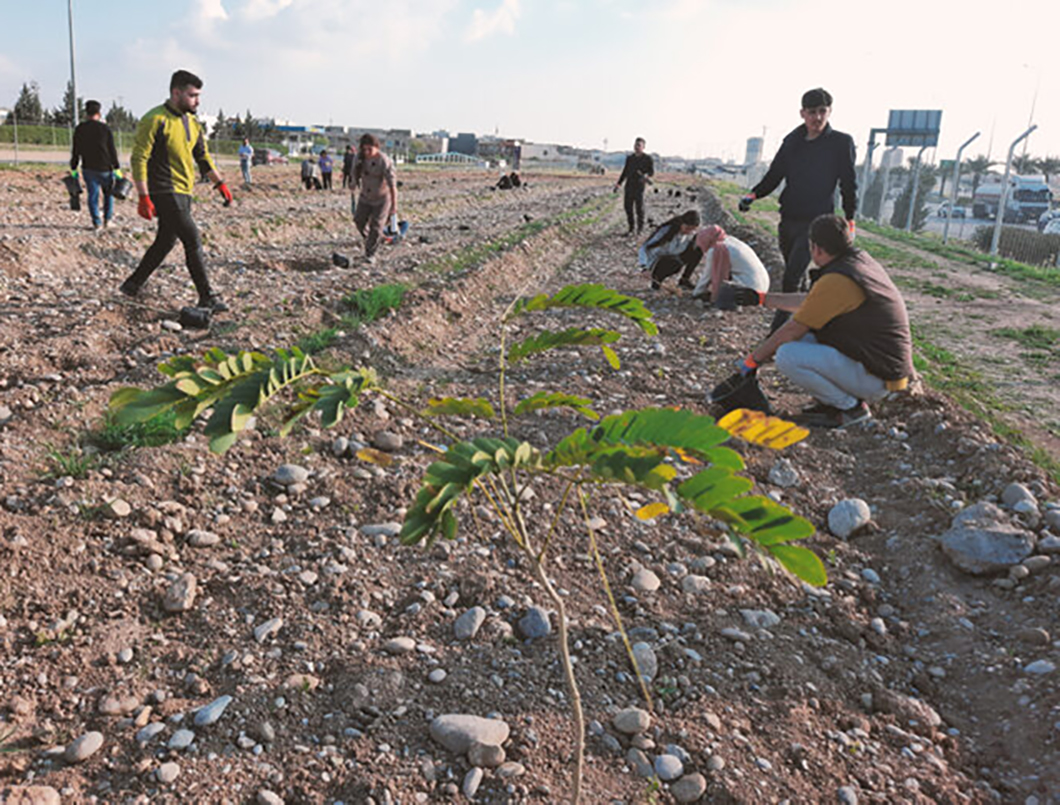
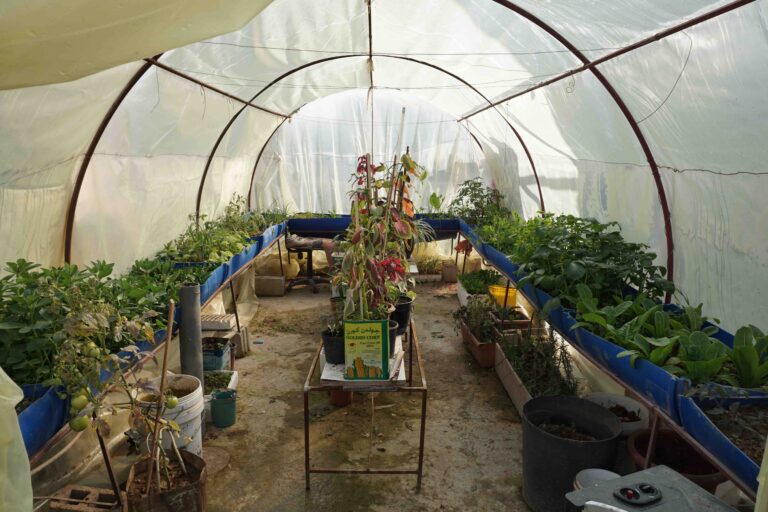
The project’s vision is to “transform treated wastewater into a reliable urban resource” that supports greener public spaces, essential municipal services, and improved water efficiency, while preserving limited freshwater supplies for domestic use.2 It seeks to substitute potable water with reclaimed wastewater for non-household uses such as irrigation, construction, and firefighting. It operates at city scale, serving multiple neighborhoods in Ramallah and demonstrating practical reuse solutions in a water-scarce urban context.3
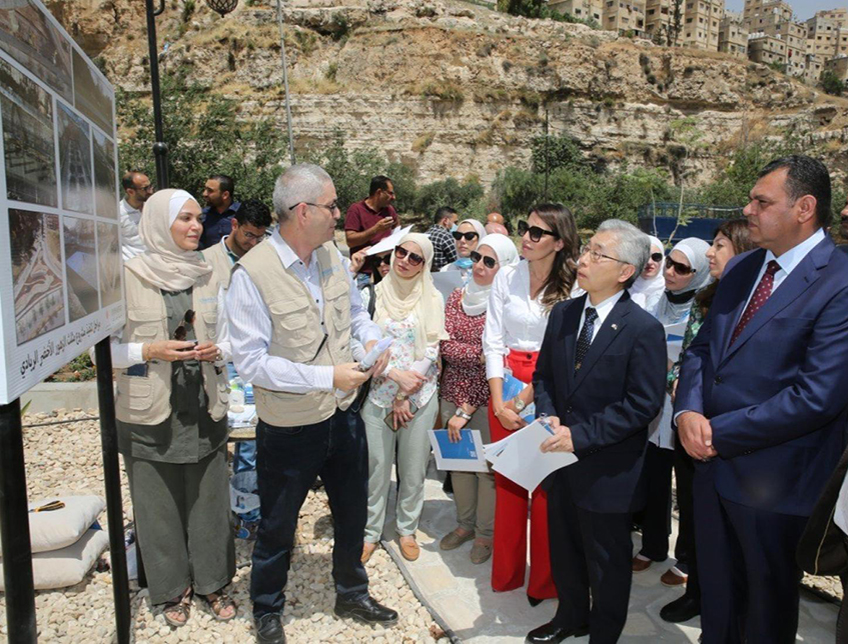
To implement its vision, the project combines reuse access infrastructure, storage, and outreach elements to make treated wastewater usable across the city:4 5

Owner/Developer (Public)
Owner/Developer (Public)
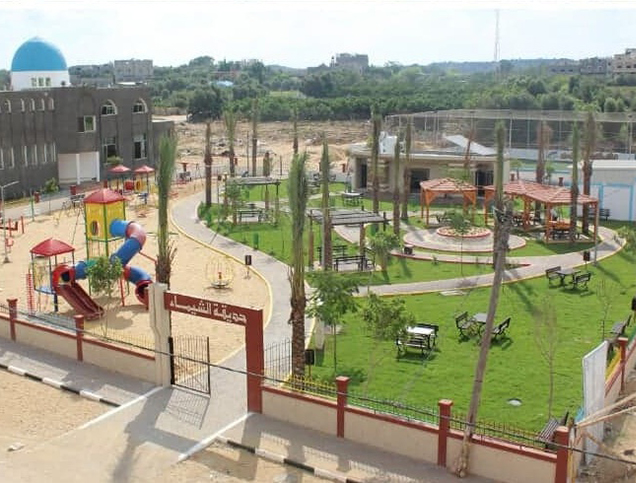
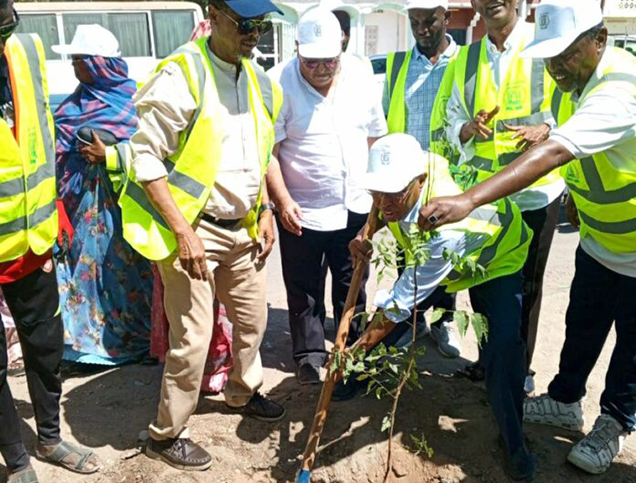
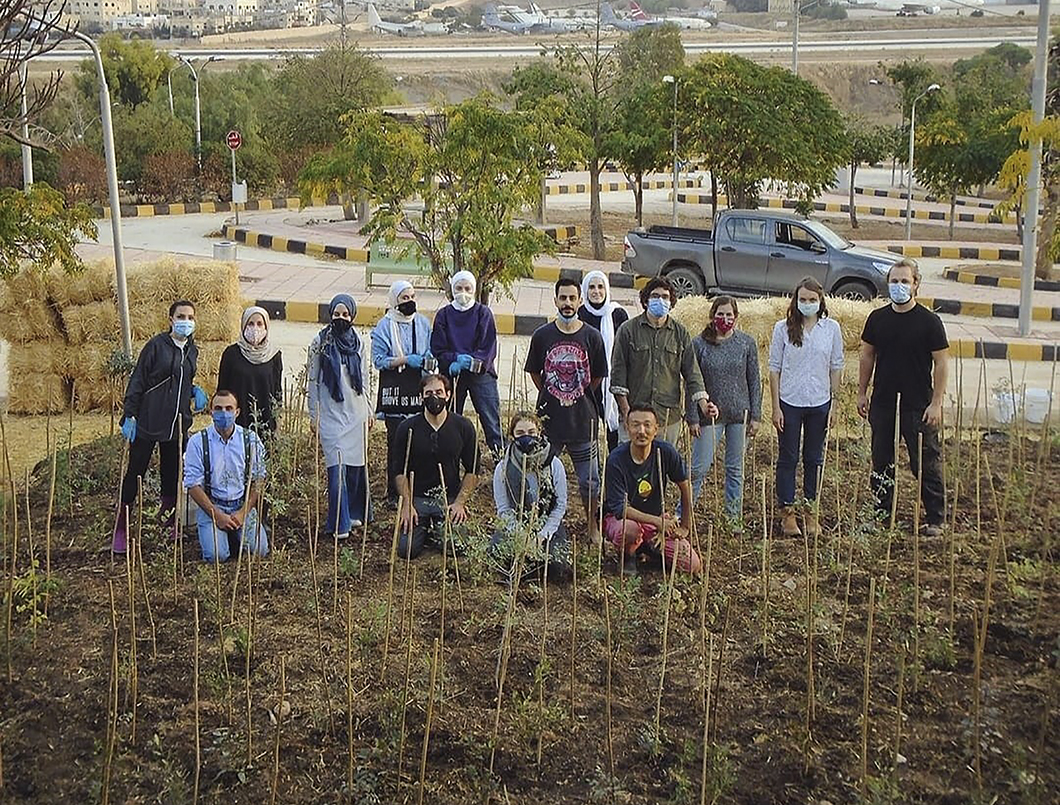
The project advances water conservation, circular water use, and environmental sustainability by reallocating treated wastewater to non-potable urban uses. Visible reuse in public spaces strengthens social acceptance of reclaimed water and supports longer-term shifts toward efficient urban water management.6
The project is implemented by Anera in partnership with the Municipality of Ramallah. Funding at launch was provided by the Jim Pattison Foundation, the Vitol Foundation, and the Municipality of Ramallah. The project was launched on September 13, 2018, and was completed in 2020.7 8
Project Link
Endnotes
N.A.
References
An online library where you can explore relevant data on urban development in the Arab cities.
More


Lorem ipsum dolor sit amet consectetur. Lacus nibh neque erat massa elementum. Ultricies ante sed sed nunc massa ider.
Last updated 3 mins ago
Lorem ipsum dolor sit amet consectetur. Lacus nibh neque erat massa elementum. Ultricies ante sed sed nunc massa ider.
Last updated 3 mins ago
Lorem ipsum dolor sit amet consectetur. Lacus nibh neque erat massa elementum. Ultricies ante sed sed nunc massa ider.
Last updated 3 mins ago
Lorem ipsum dolor sit amet consectetur. Lacus nibh neque erat massa elementum. Ultricies ante sed sed nunc massa ider.
Last updated 3 mins ago
Lorem ipsum dolor sit amet consectetur. Lacus nibh neque erat massa elementum. Ultricies ante sed sed nunc massa ider.
Last updated 3 mins ago
Lorem ipsum dolor sit amet consectetur. Lacus nibh neque erat massa elementum. Ultricies ante sed sed nunc massa ider.
Last updated 3 mins ago