Close
Approach Words: Capacity Building, Sustainability, Urban Resilience
Public Policy Instruments: Communicative, Financial Mechanism, Physical Intervention
The Resilient Water Solutions Against Climate Change (RWS-CCAF) Project is a climate-adaptation and water-resilience programme targeting Zahle and the wider Bekaa region, aimed at strengthening water security through non-conventional water solutions, local demonstrations, and institutional capacity building in climate-stressed contexts.1 2
The project envisions “improving climate resilience and water security” by reducing dependence on over-extracted and polluted groundwater, expanding access to sustainable water sources, and supporting communities exposed to climate stress, resource scarcity, and demographic pressure. The project aims to enhance local and institutional capacity for climate-resilient water management through practical, scalable interventions. In Lebanon, it focuses on Zahle and the Bekaa Valley, supporting municipalities, farmers, host communities, and displaced populations through adaptive water solutions and knowledge transfer.3 4
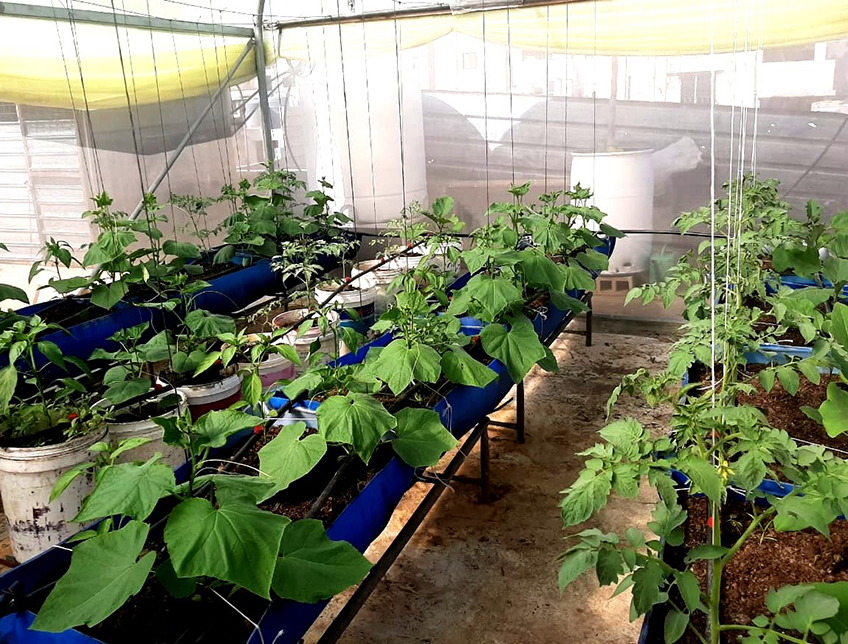
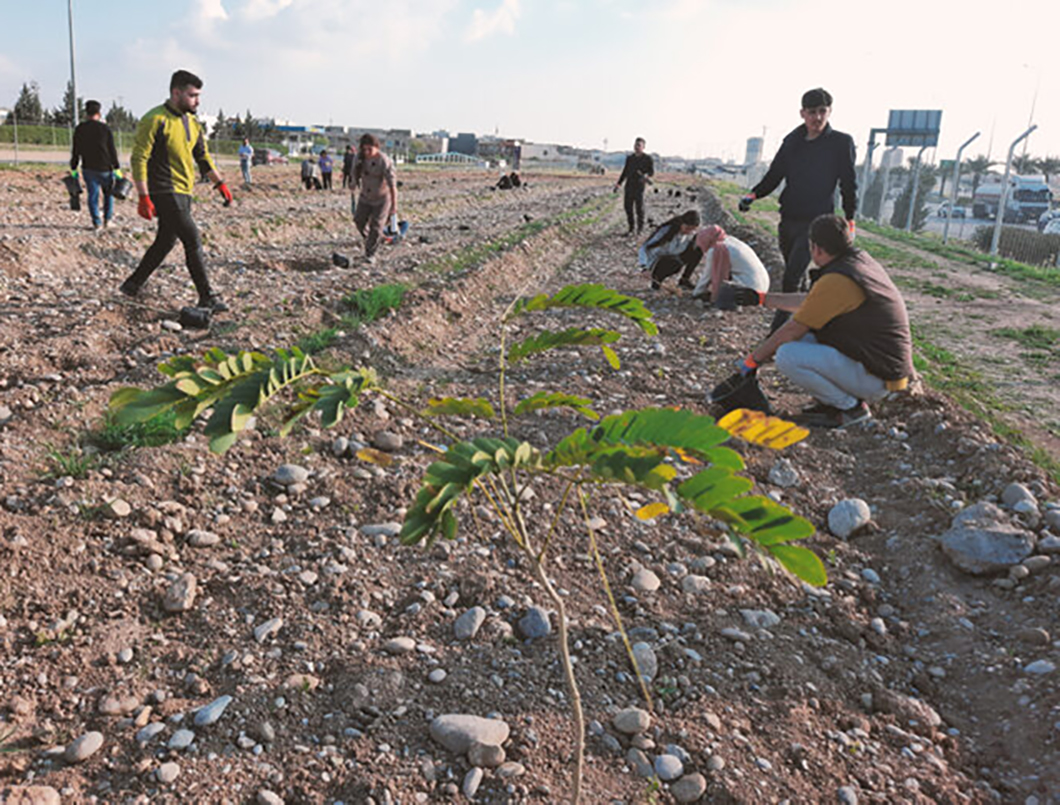
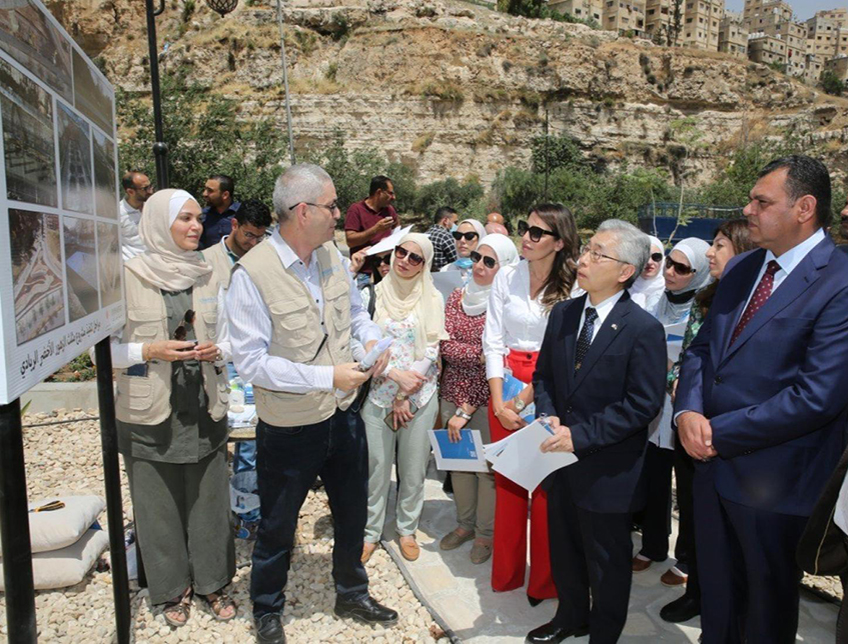
To implement the vision in Lebanon, the project combines demonstration interventions, local capacity support, and knowledge-sharing activities in the Bekaa/Zahle area:5 6 7
The project advances climate adaptation, water efficiency, and social resilience by promoting non-conventional water sources such as rainwater harvesting, greywater reuse, and treated wastewater reuse. It reduces pressure on groundwater resources while strengthening adaptive capacity in vulnerable host-community and displacement settings, with particular attention to women and youth.8

Owner/Developer (Public)


Funder
Owner/Developer (Public)
Funder
The project is implemented by UN-Habitat and funded by the Adaptation Fund, in partnership with ESCWA and UNICEF. In Lebanon, implementation is carried out with the Government of Lebanon through the Ministry of Environment, alongside local authorities, civil society, and private sector actors in the target areas. The broader regional project budget is described as nearly USD 14 million for Lebanon and Jordan combined.9 10
The RWS-CCAF project was launched on 20 October 2021 as a four-year programme covering Lebanon and Jordan. By 2025, the Lebanon component had active field implementation and learning outputs, including rainwater harvesting and greywater systems in Zahle, wastewater-reuse knowledge products, and demonstration activities in the Bekaa. As of January 2026, the project had entered its final phase, with implementation continuing and cumulative support reaching approximately 88,000 people across both countries.11
Project Link
Endnotes
N.A.
References
An online library where you can explore relevant data on urban development in the Arab cities.
More

Lorem ipsum dolor sit amet consectetur. Lacus nibh neque erat massa elementum. Ultricies ante sed sed nunc massa ider.
Last updated 3 mins ago
Lorem ipsum dolor sit amet consectetur. Lacus nibh neque erat massa elementum. Ultricies ante sed sed nunc massa ider.
Last updated 3 mins ago
Lorem ipsum dolor sit amet consectetur. Lacus nibh neque erat massa elementum. Ultricies ante sed sed nunc massa ider.
Last updated 3 mins ago
Lorem ipsum dolor sit amet consectetur. Lacus nibh neque erat massa elementum. Ultricies ante sed sed nunc massa ider.
Last updated 3 mins ago
Lorem ipsum dolor sit amet consectetur. Lacus nibh neque erat massa elementum. Ultricies ante sed sed nunc massa ider.
Last updated 3 mins ago
Lorem ipsum dolor sit amet consectetur. Lacus nibh neque erat massa elementum. Ultricies ante sed sed nunc massa ider.
Last updated 3 mins ago