Close
Approach Words: Environment Preservation, Sustainability, Urban Resilience
Public Policy Instruments: Communicative, Physical Intervention, Planning
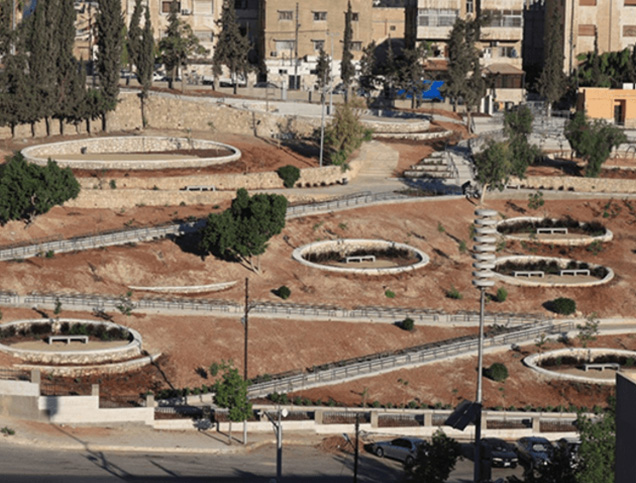
The Eden in Iraq Wastewater Garden Project is a nature-based water treatment and cultural regeneration initiative in the Mesopotamian Marshes of southern Iraq. It uses a constructed wetland “wastewater garden” system to remediate untreated sewage impacts while creating a publicly accessible green landscape that celebrates Marsh Arab heritage and demonstrates sustainable, low-energy wastewater treatment appropriate for hot, water-stressed environments.1 2 The project responds to long-standing environmental degradation, upstream water scarcity, and the absence of effective wastewater infrastructure in the marshlands.3 4
The project’s vision is to “restore ecological and social wellbeing” in a desiccated, conflict-affected region by combining safe wastewater treatment, public health benefits, and cultural landscape renewal. It aims to reduce water pollution through low-energy, nature-based wastewater treatment, create a productive landscape irrigated with treated water that enhances microclimate and community use, and serve as a demonstrator site for replicable, heritage-sensitive sustainable infrastructure in arid contexts.5 6
To implement the vision, the project integrates technical interventions with cultural design and educational outreach. Key elements include: 7 8 9

Owner/Developer

Contractor/Implementer
Owner/Developer
Contractor/Implementer
The project is designed as a low-energy, nature-based solution to wastewater treatment, reducing dependence on mechanical or chemically intensive infrastructure in a water-scarce region. By biologically treating wastewater and reusing the effluent to irrigate a productive landscape, the system reduces pollutant loads, improves microclimate and habitat quality, and demonstrates a climate-sensitive solution suited to arid, heat-prone settings. In doing so, it creates a community-oriented public space while strengthening long-term resilience to water scarcity, environmental degradation, and untreated wastewater impacts.10
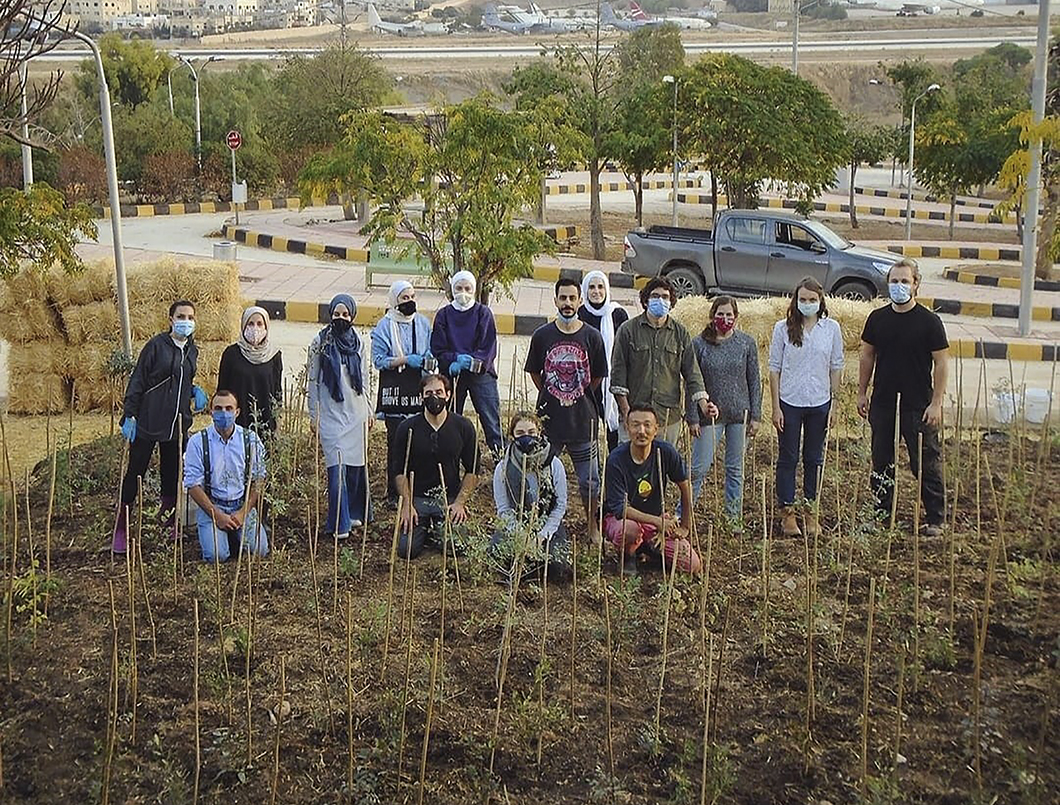
The Eden in Iraq initiative is led by co-directors Meridel Rubenstein (artist/photographer) and Dr Davide Tocchetto (environmental engineer), and is supported locally by the NGO “Nature Iraq” and internationally by the “Institute of Ecotechnics”.11 12 As a grassroots project, it blends artistic vision, ecological engineering, and community engagement rather than operating under a formal government programme. The project has also been recognized by UNESCO through selection in the UNESCO Green Citizens Initiative, which listed it amonth the 100 grassroots projects, enhancing its global visibility and support.13
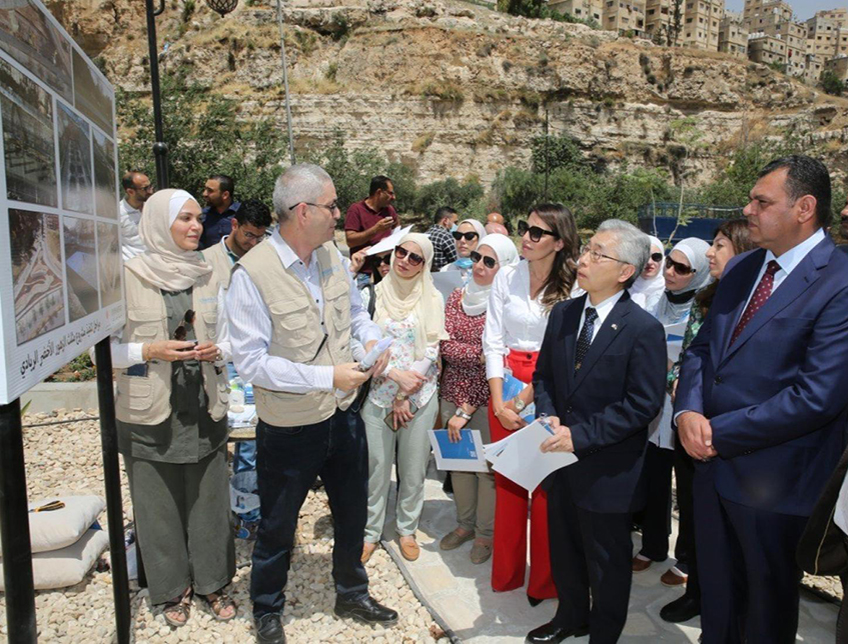
The project is active since 2011, progressing through conceptual development and preparatory phases over years. Public construction began in 2023, and an initial phase was completed and open to visitors. Monitoring of wetland performance and interative improvement continues as part of long-term delivery.14
Project Link
Endnotes
N.A.
References
An online library where you can explore relevant data on urban development in the Arab cities.
More



Lorem ipsum dolor sit amet consectetur. Lacus nibh neque erat massa elementum. Ultricies ante sed sed nunc massa ider.
Last updated 3 mins ago
Lorem ipsum dolor sit amet consectetur. Lacus nibh neque erat massa elementum. Ultricies ante sed sed nunc massa ider.
Last updated 3 mins ago
Lorem ipsum dolor sit amet consectetur. Lacus nibh neque erat massa elementum. Ultricies ante sed sed nunc massa ider.
Last updated 3 mins ago
Lorem ipsum dolor sit amet consectetur. Lacus nibh neque erat massa elementum. Ultricies ante sed sed nunc massa ider.
Last updated 3 mins ago
Lorem ipsum dolor sit amet consectetur. Lacus nibh neque erat massa elementum. Ultricies ante sed sed nunc massa ider.
Last updated 3 mins ago
Lorem ipsum dolor sit amet consectetur. Lacus nibh neque erat massa elementum. Ultricies ante sed sed nunc massa ider.
Last updated 3 mins ago