Close
Approach Words: Environment Preservation, Sustainability, Urban Livability
Public Policy Instruments: Financial Mechanism, Physical Intervention
The Erbil Wastewater Recycling Project is a city-scale wastewater treatment and reuse program designed to treat domestic wastewater and reuse it for non-potable purposes, primarily irrigation of parks, green spaces, and urban landscapes, while modernizing Erbil’s sewer network and reducing pollution risks.1 2
The project envisions transforming wastewater from an environmental liability into a productive urban resource, supporting water security, public health, and greener urban development while protecting surface water and groundwater systems around Erbil.The project seeks to reduce water scarcity and environmental pollution by reusing treated domestic wastewater for irrigation and landscape uses, and by upgrading Erbil’s sewer infrastructure through a phased, city-scale programme. The approach combines large-scale infrastructure investment with demonstrative pilot reuse systems.3
To implement the vision, the project combines wastewater reuse infrastructure with sewer network upgrades and phased implementation at city scale. Key components include:4 5 6
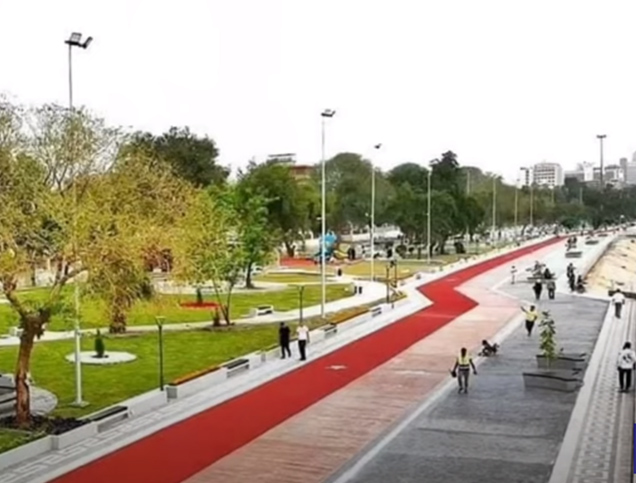
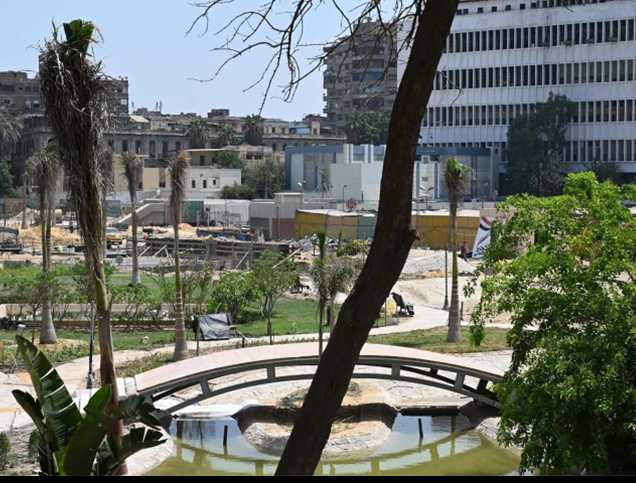
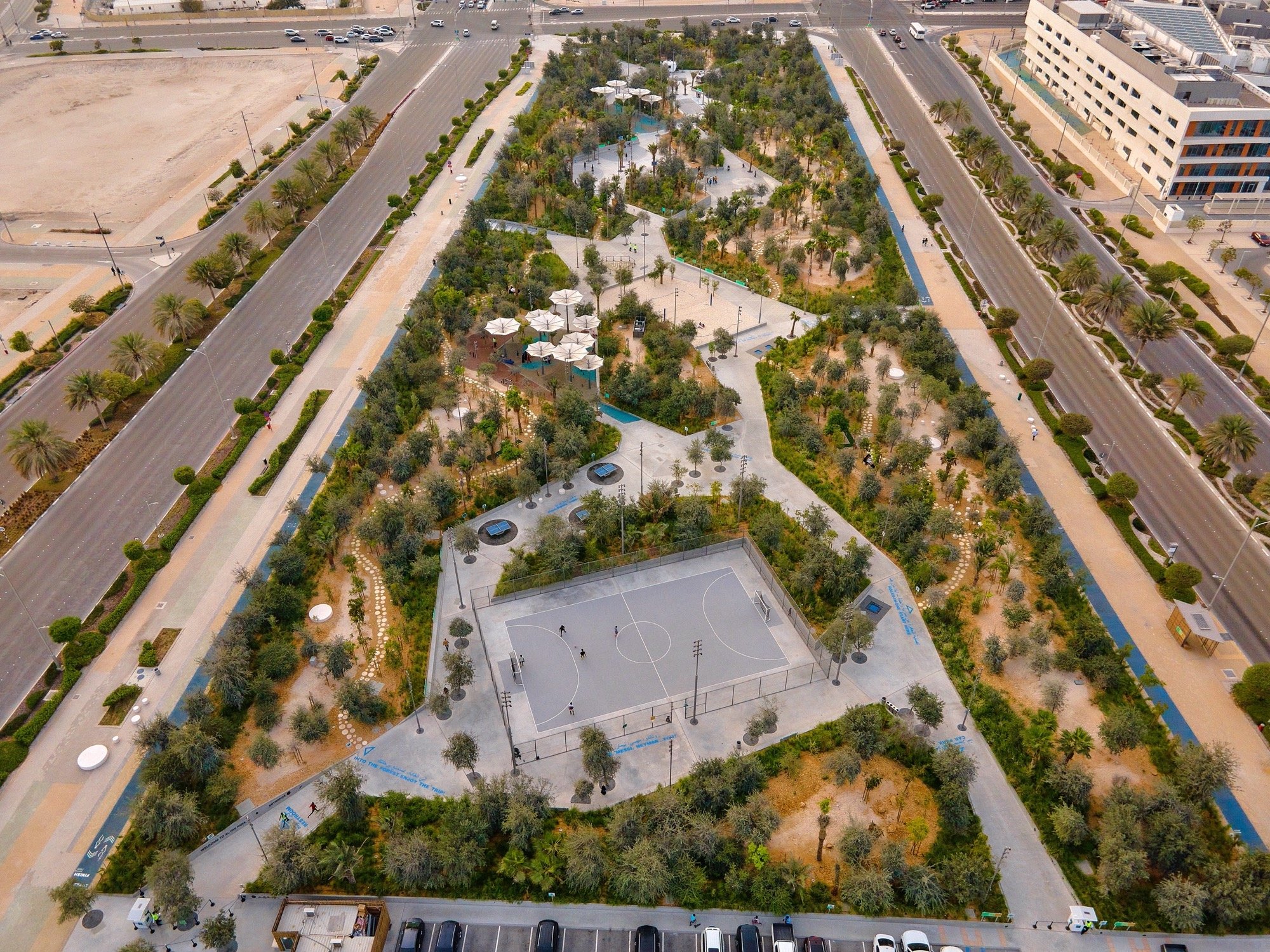
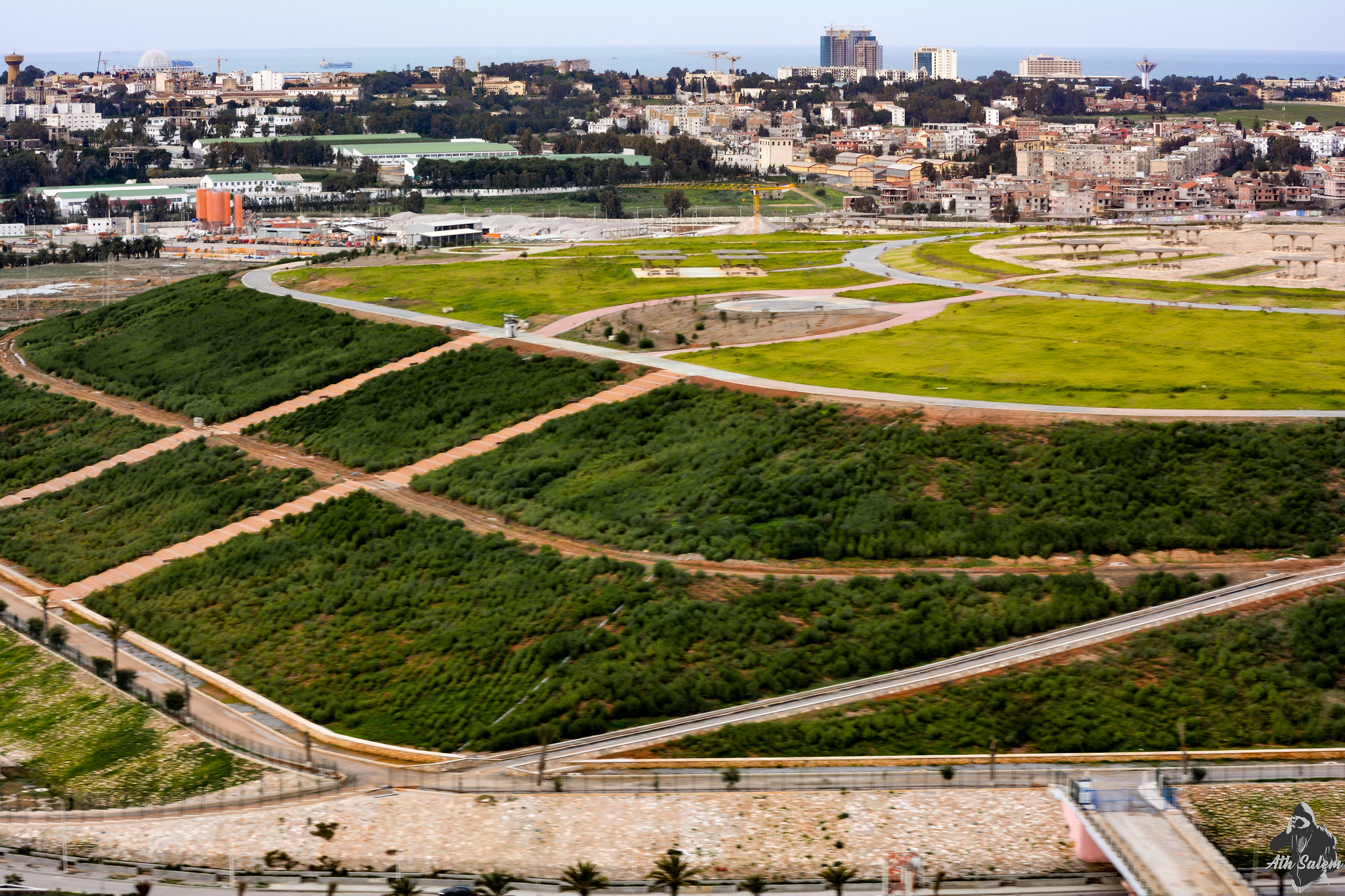
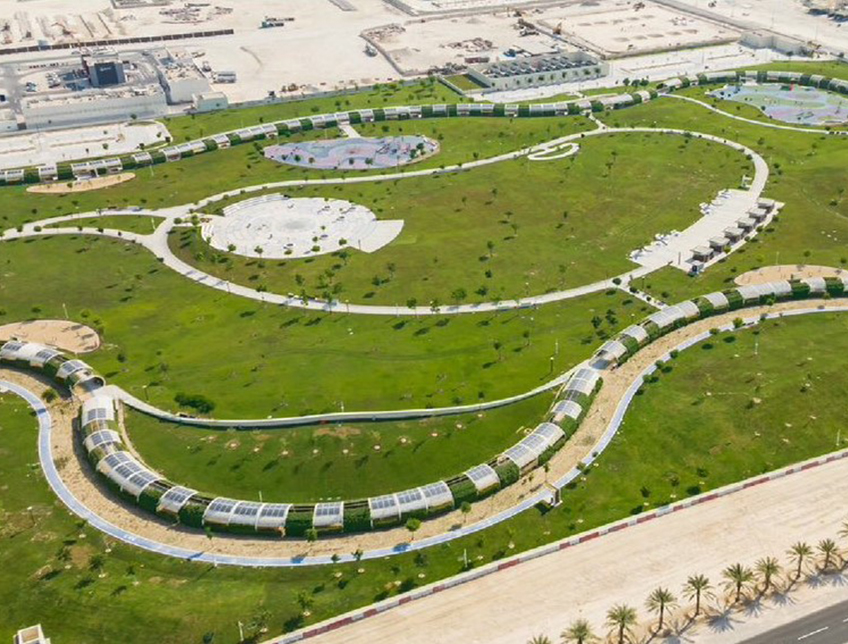
The project advances circular water use and environmental protection by substituting reclaimed wastewater for freshwater and groundwater in irrigation. This reduces pressure on aquifers, lowers pollution risks, and supports expansion and maintenance of urban green spaces. The Sami Abdulrahman Park system provides a tangible example of reduced groundwater abstraction and lower irrigation costs.7 8

Owner/Developer (Public)

Consultant/Designer
Owner/Developer (Public)
Consultant/Designer
The project is owned and overseen by the Kurdistan Regional Government (KRG) through relevant municipal and water services authorities, with implementation in cooperation with the Japan International Cooperation Agency (JICA).9 10 The cost of the first phase is USD 288 million, with a second phase planned at USD 300 million.11 In the Sami Abdulrahman Park wastewater reuse initiative, implementation is under KRG leadership with support from KfW, in partnership with UNICEF and Hasar Organization. 12 13
Planning and institutional coordination with JICA for the Erbil Water Recycling Project were publicly announced in September 2023, including the Phase 1 (75 km) concept. In February 2026, the launch of Phase 1 was announced, with a Phase 2 planned following completion of the initial stage. In parallel, the Sami Abdulrahman Park wastewater reuse project began implementation in 2024 and became fully operational by June 2025.14 15
Project Link
Endnotes
N.A.
References
An online library where you can explore relevant data on urban development in the Arab cities.
More

Lorem ipsum dolor sit amet consectetur. Lacus nibh neque erat massa elementum. Ultricies ante sed sed nunc massa ider.
Last updated 3 mins ago
Lorem ipsum dolor sit amet consectetur. Lacus nibh neque erat massa elementum. Ultricies ante sed sed nunc massa ider.
Last updated 3 mins ago
Lorem ipsum dolor sit amet consectetur. Lacus nibh neque erat massa elementum. Ultricies ante sed sed nunc massa ider.
Last updated 3 mins ago
Lorem ipsum dolor sit amet consectetur. Lacus nibh neque erat massa elementum. Ultricies ante sed sed nunc massa ider.
Last updated 3 mins ago
Lorem ipsum dolor sit amet consectetur. Lacus nibh neque erat massa elementum. Ultricies ante sed sed nunc massa ider.
Last updated 3 mins ago
Lorem ipsum dolor sit amet consectetur. Lacus nibh neque erat massa elementum. Ultricies ante sed sed nunc massa ider.
Last updated 3 mins ago