Close
Approach Words: Capacity Building
Public Policy Instruments: Organization
The Aden Sewer Network Rehabilitation is a wastewater infrastructure rehabilitation initiative targeting the city of Aden in Yemen. 1 The project operates within an active conflict-affected context and focuses on addressing urgent urban sanitation needs for both communities and internally displaced persons. 2 The project was initiated around 2021 with the initial planning and funding agreements, with starting active implementation launched in 2023. 3 4
The vision of the project is to improve public health and living conditions for over 1.5 million people by restoring essential sanitation infrastructure to prevent disease outbreaks and environmental contamination, 5 It aims to improve the efficiency of wastewater management systems, reduce environmental pollution, and strengthen public health conditions by lowering the incidence of waterborne diseases. It also seeks to restore essential urban infrastructure in line with Yemen’s broader urban resilience and emergency response framework. 6 7 8 The initiative forms part of Yemen Integrated Urban Services Emergency Project (YIUSEP II), a large-scale World Bank-funded program targeting the rehabilitation of critical urban services across 16 Yemeni cities affected by conflict. 9 10 11
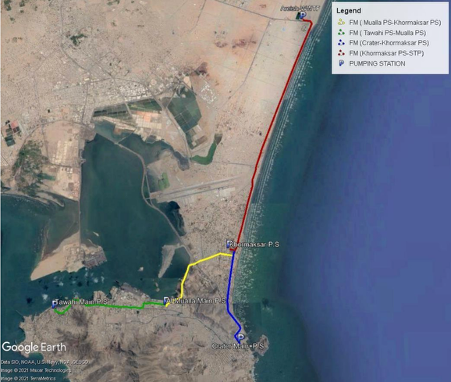
Title: Existing Sewerage System in Aden
Source: Click Here
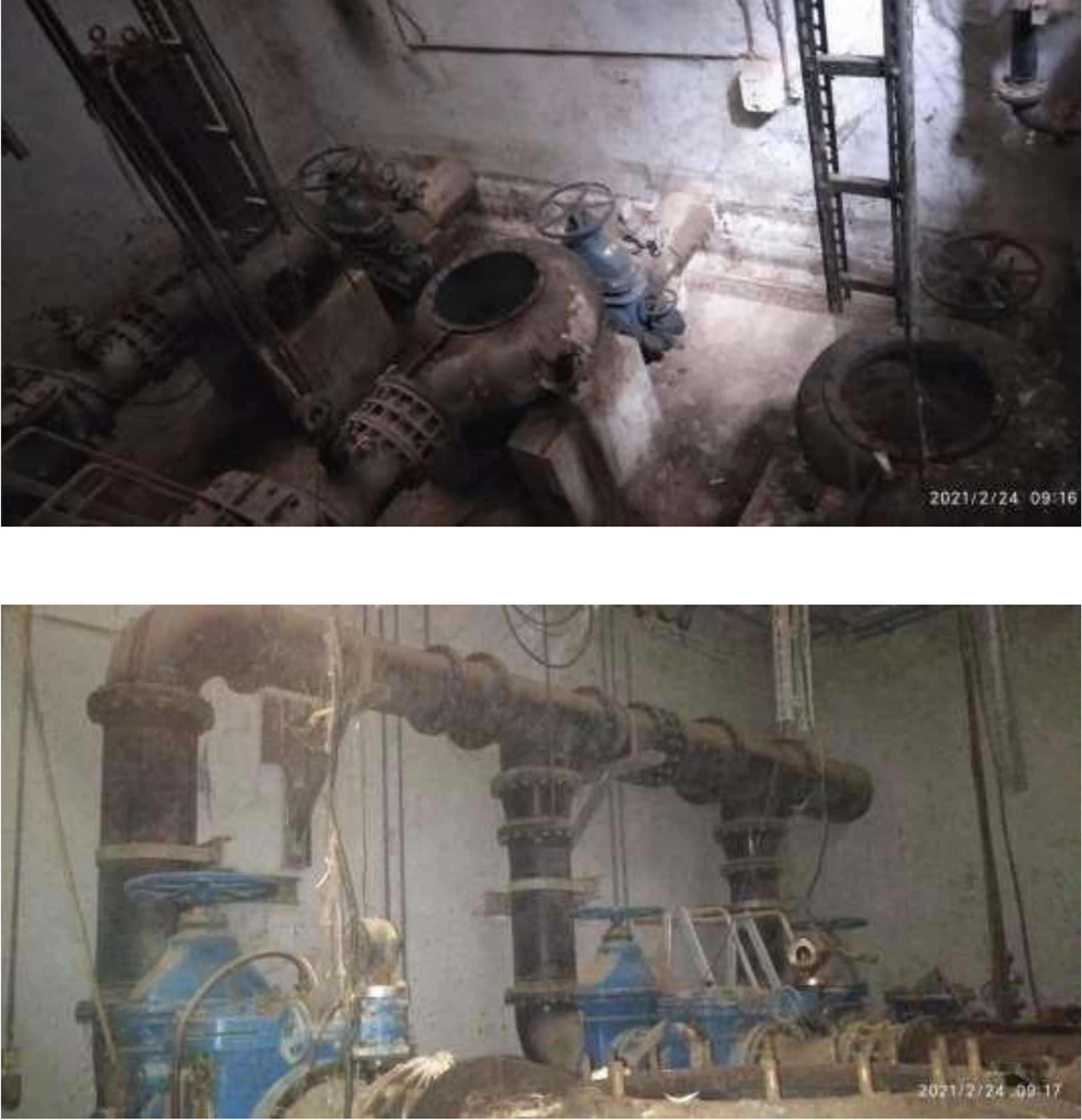
Title: Examples of pre-rehabilitation infrastructure
Source: Click Here
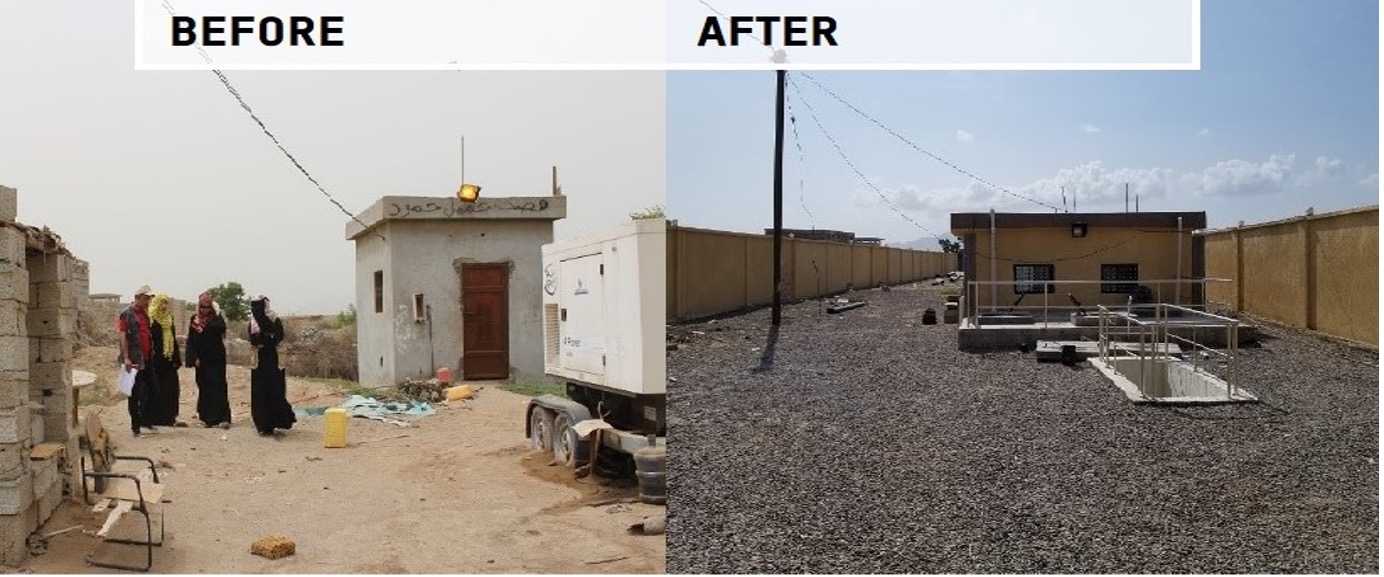
Title: Oxfam's Rehabilitation of Sewage Station in Al-Mansoorah District, Aden - showing newly installed pumping chamber and infrastructure
Source: Click Here
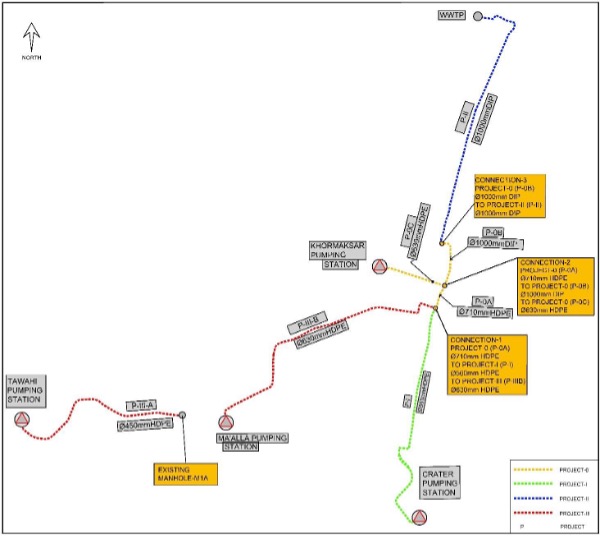
Title: proposed development packages
Source: Click Here
Title: Existing Sewerage System in Aden
Source: Click Here
Title: Examples of pre-rehabilitation infrastructure
Source: Click Here
Title: Oxfam's Rehabilitation of Sewage Station in Al-Mansoorah District, Aden - showing newly installed pumping chamber and infrastructure
Source: Click Here
Title: proposed development packages
Source: Click Here
To implement the vision, the Aden Sewer Network Rehabilitation focuses on multiple districts within Aden Governorate. 12 The project includes several key components: 13 14 15
In terms of sustainability, the project integrates energy-efficient pumping equipment and real-time monitoring systems to improve operational performance and reduce long-term operating costs.23 24 To support infrastructure sustainability, targeted capacity-building activities were implemented for local technicians, alongside training opportunities for newly graduated university students. 25 Additional technical measures include replacing existing 5-inch pipelines with larger 8-inch diameter pipes, increasing system capacity to accommodate future urban expansion and new construction in neighborhoods such as Crater District. 26

Owner/Developer (Public)

Owner/Developer (Public)
The project is managed and implemented through a multi-partner framework involving the World Bank as the primary funder, UNOPS 27 28 as the main implementing partner, UNHCR 29 supporting refugee-related components, and Oxfam 30 in partnership with GIZ 31 for German-funded activities.32 Implementation is coordinated among international organizations (World Bank, UNOPS, UNHCR, Oxfam, GIZ, UN-Habitat), national entities (Ministry of Water and Environment, Yemen Public Works Project, Social Fund for Development), and local authorities, including the Office of Aden Governor Ahmed Hamed Lamlas. 33 34 Project delivery is structured in several phases and implementation lots:
The project is currently under active implementation. Phase 1 has been completed, while Phases 2 and 3 are ongoing. In October 2025, the Khor Maksar pumping station was officially inaugurated with funding from the German Federal Ministry of Economic Cooperation and Development (BMZ). 39 40 Upon completion, the Aden Sewer Network Rehabilitation is expected to benefit 1.5 million people, including residents, refugees, and internally displaced population, across multiple districts by 2026, significantly improving sanitation coverage, public health outcomes, and environmental conditions in one of Yemen’s most densely populated urban areas. 41 42 43
Project Link
https://www.ungm.org/Public/Notice/197652
Endnotes
References
An online library where you can explore relevant data on urban development in the Arab cities.
More




Lorem ipsum dolor sit amet consectetur. Lacus nibh neque erat massa elementum. Ultricies ante sed sed nunc massa ider.
Last updated 3 mins ago
Lorem ipsum dolor sit amet consectetur. Lacus nibh neque erat massa elementum. Ultricies ante sed sed nunc massa ider.
Last updated 3 mins ago
Lorem ipsum dolor sit amet consectetur. Lacus nibh neque erat massa elementum. Ultricies ante sed sed nunc massa ider.
Last updated 3 mins ago
Lorem ipsum dolor sit amet consectetur. Lacus nibh neque erat massa elementum. Ultricies ante sed sed nunc massa ider.
Last updated 3 mins ago
Lorem ipsum dolor sit amet consectetur. Lacus nibh neque erat massa elementum. Ultricies ante sed sed nunc massa ider.
Last updated 3 mins ago
Lorem ipsum dolor sit amet consectetur. Lacus nibh neque erat massa elementum. Ultricies ante sed sed nunc massa ider.
Last updated 3 mins ago