Close
Approach Words: Competitive City, Efficiency, Urban Livability
Public Policy Instruments: Physical Intervention, Planning
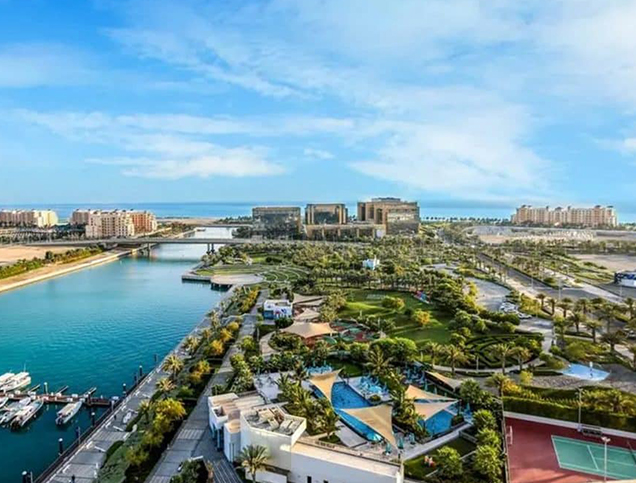
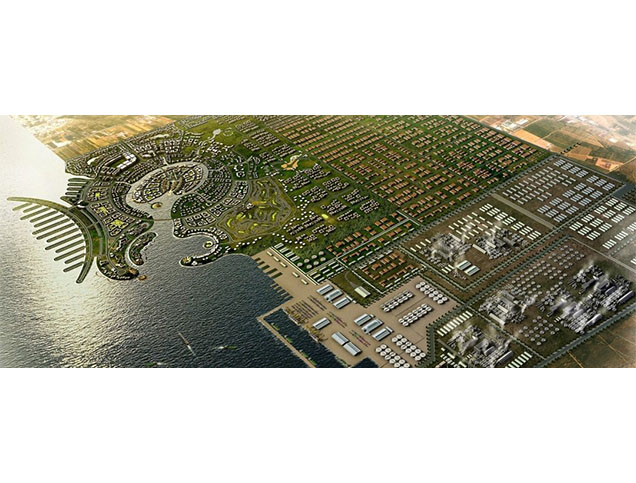
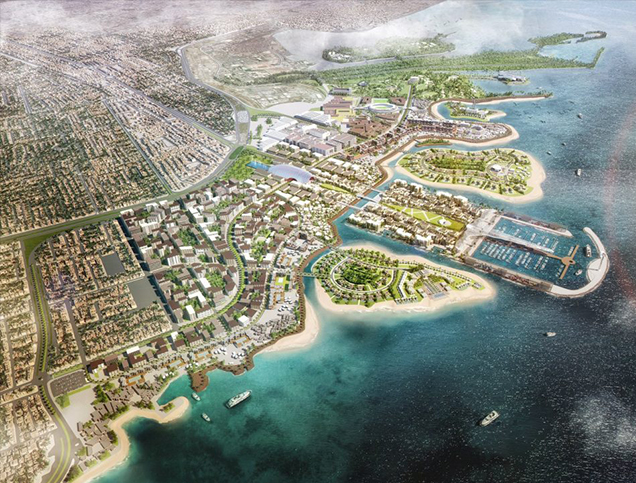
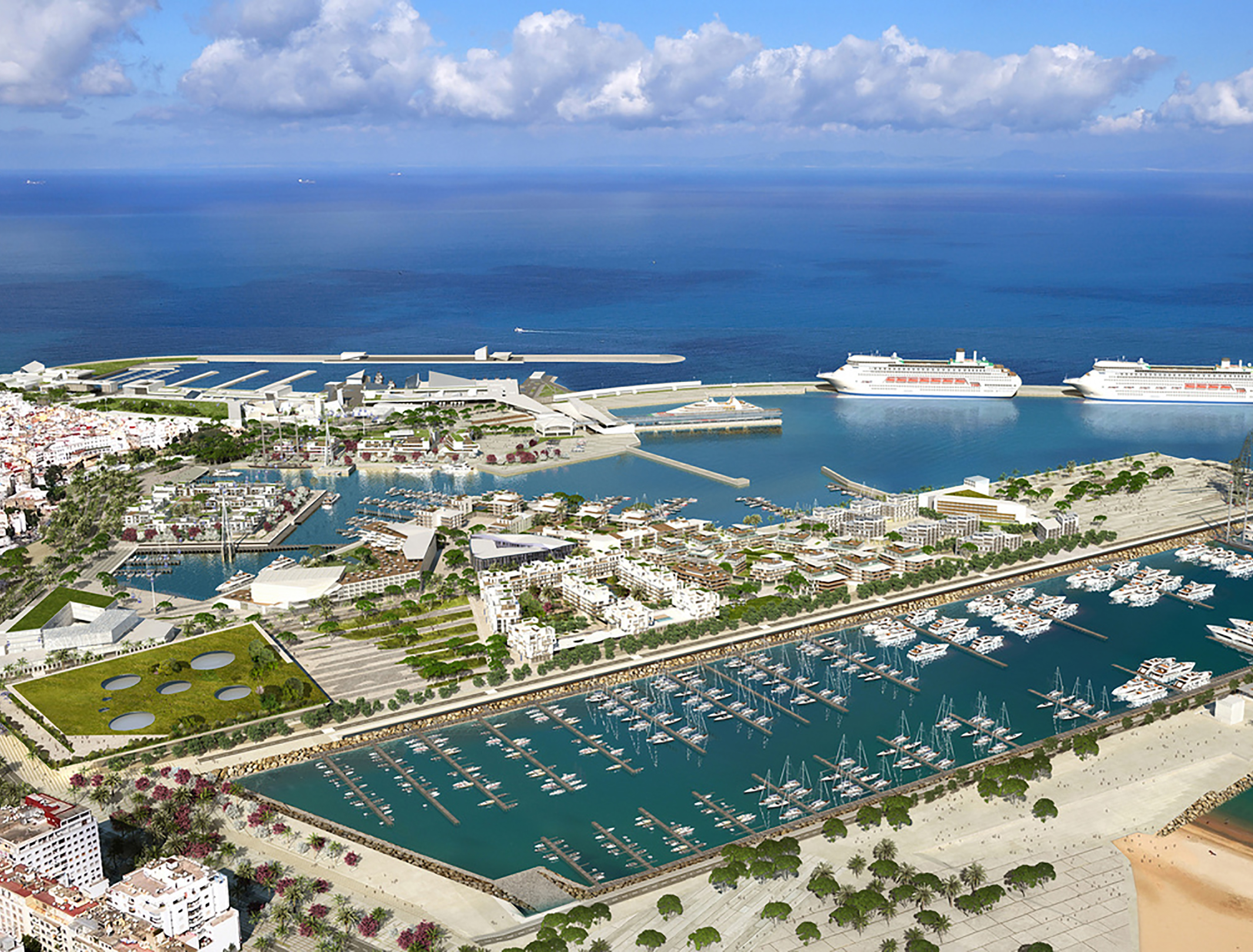
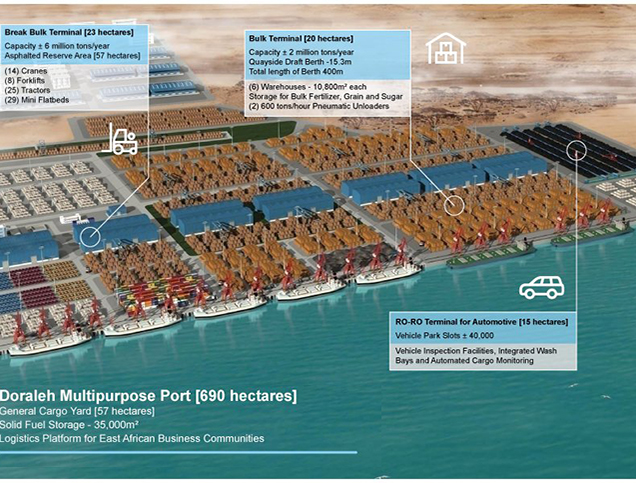
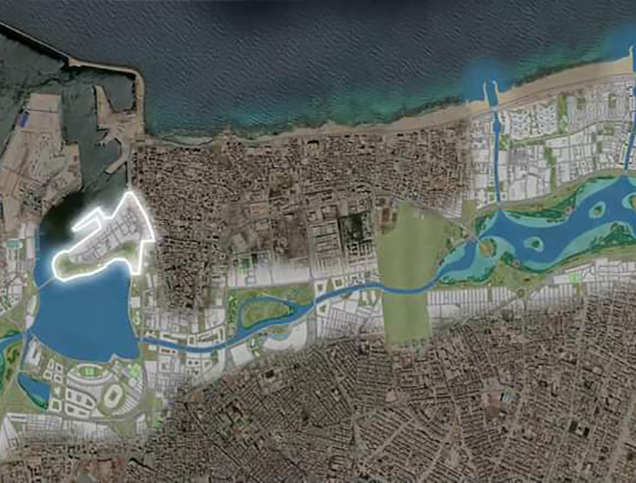
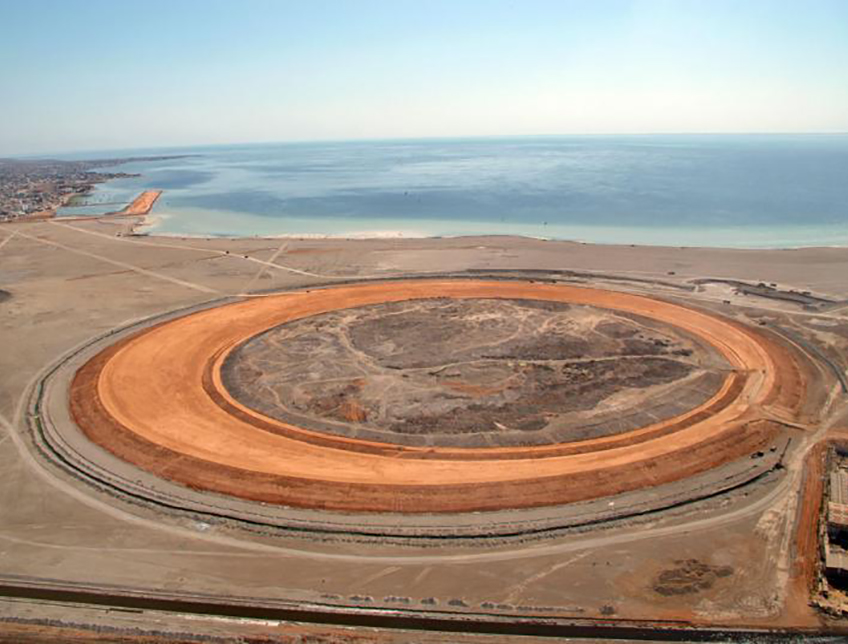
The Port Sudan Rehabilitation Project is a large-scale infrastructure and modernization initiative targeting Sudan’s primary Red Sea port in Port Sudan city. The plan addresses operational inefficiencies, currently caused by outdated equipment, slow container handling, and long vessel waiting times. Through infrastructure upgrades and international partnerships, the plan seeks to enhance cargo processing and deepen port access.1
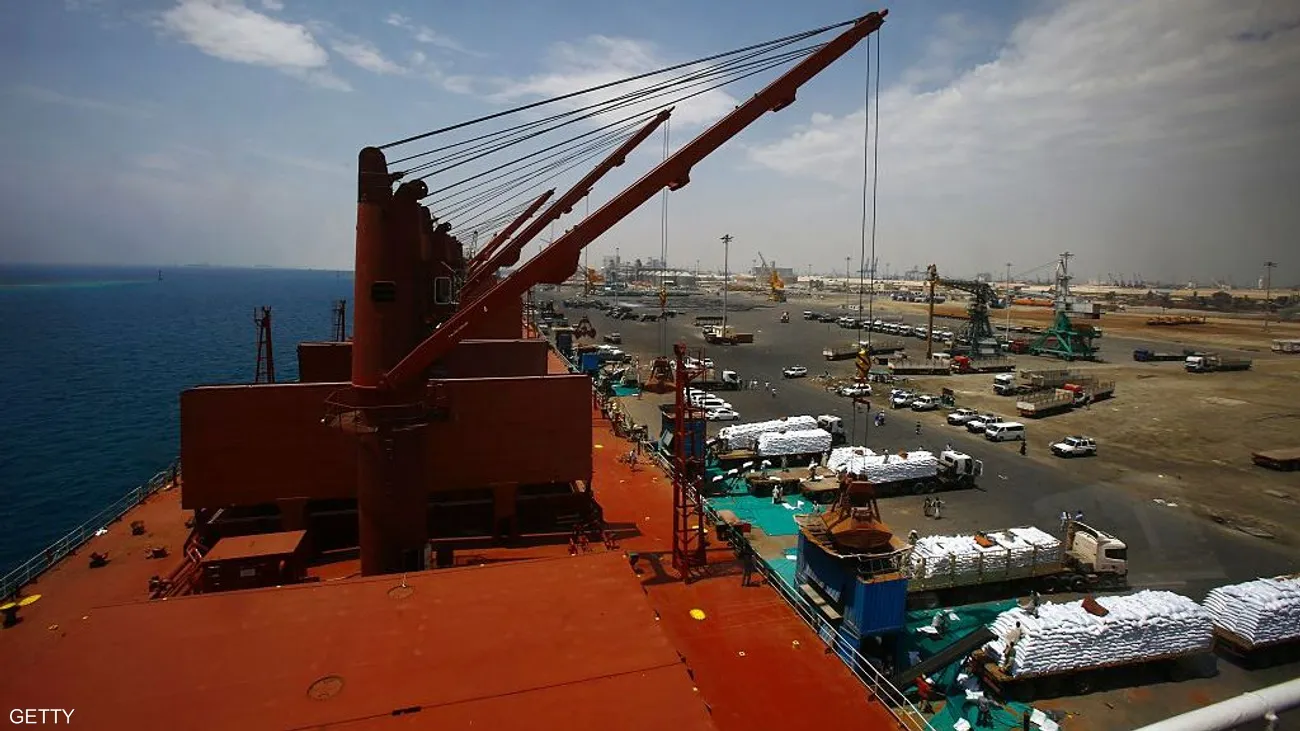
Title: Port Sudan Quay.
Source: Click Here
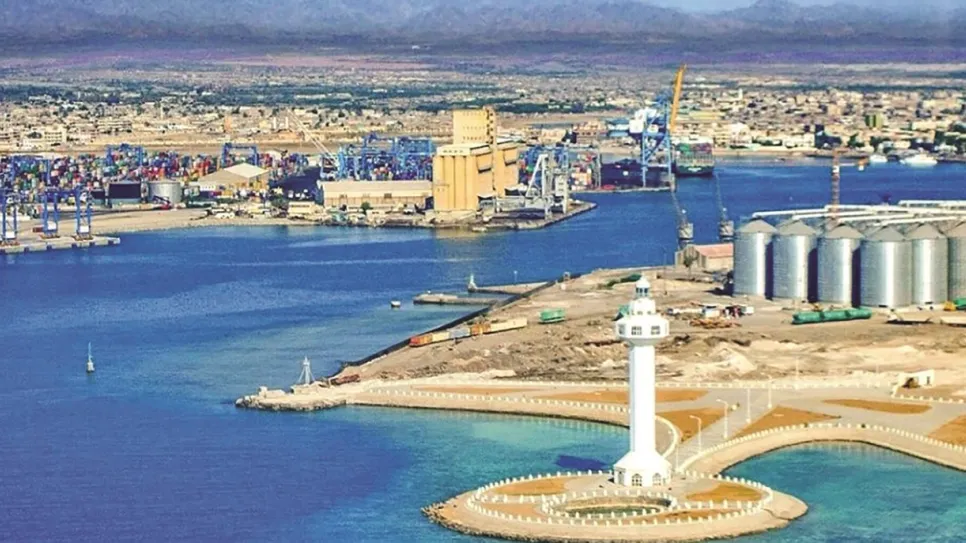
Title: Port Sudan
Source: Click Here
Title: Port Sudan Quay.
Source: Click Here
Title: Port Sudan
Source: Click Here
Envisioned as a modern and efficient maritime hub, the project aims to transform Port Sudan into a competitive port aligned with international standards. It seeks to improve cargo handling speed and reliability, expand port capacity by deepening berths for larger vessels, and streamline customs and administrative procedures.2 3 The project also includes legal and institutional reforms to improve port governance, reduce congestion, and enhance service delivery. It further aims to attract foreign expertise and investment, while ensuring the retention and upskilling for existing port workers. The overall goal is to strengthen Port Sudan’s position as a regional trade gateway capable of handling around 500,000 containers annually, and support landlocked neighboring countries.4
To realize this vision, the rehabilitation plan is structured around a set of core components:5 6

The project is led by the Sudanese government through its Supreme Committee for Economic Emergencies, with active involvement from the Ministry of Finance, the Ministry of Justice, and the Sudanese Ports Authority.7 The transitional government allocated an emergency budget of approximately $300 million to launch the project. The funding strategy also includes the use of revenues generated by the port and seeks additional international financing to support future phases of development.8
Project Link
Endnotes
N.A.
References
An online library where you can explore relevant data on urban development in the Arab cities.
More




Lorem ipsum dolor sit amet consectetur. Lacus nibh neque erat massa elementum. Ultricies ante sed sed nunc massa ider.
Last updated 3 mins ago
Lorem ipsum dolor sit amet consectetur. Lacus nibh neque erat massa elementum. Ultricies ante sed sed nunc massa ider.
Last updated 3 mins ago
Lorem ipsum dolor sit amet consectetur. Lacus nibh neque erat massa elementum. Ultricies ante sed sed nunc massa ider.
Last updated 3 mins ago
Lorem ipsum dolor sit amet consectetur. Lacus nibh neque erat massa elementum. Ultricies ante sed sed nunc massa ider.
Last updated 3 mins ago
Lorem ipsum dolor sit amet consectetur. Lacus nibh neque erat massa elementum. Ultricies ante sed sed nunc massa ider.
Last updated 3 mins ago
Lorem ipsum dolor sit amet consectetur. Lacus nibh neque erat massa elementum. Ultricies ante sed sed nunc massa ider.
Last updated 3 mins ago