Close
Approach Words: Integrated City, Smart Mobility, Sustainability
Public Policy Instruments: Financial Mechanism, Physical Intervention, Planning, Regulatory
The Kuwait Metro is a large-scale greenfield transportation initiative to establish an integrated rapid transit network1 that connects Kuwait City’s center with surrounding urban areas.2
The Kuwait Metro project envisions “transforming Kuwait City into a modern, connected and accessible urban center”,3 in line with the vision of His Highness the Amir Sheikh Sabah Al-Ahmad Al-Jaber Al-Sabah which is transforming Kuwait into a regional commercial and financial hub.4

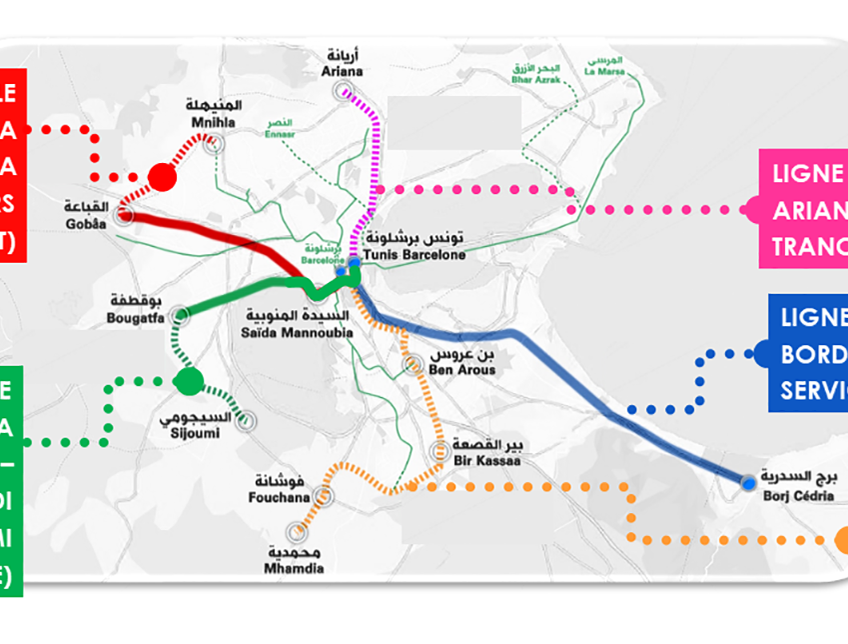
Title: The map of Kuwait Metro Project in 2009.
Source: Click Here
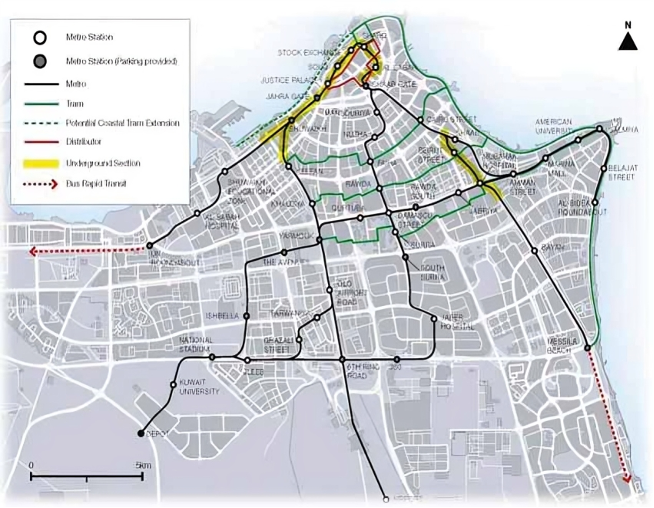
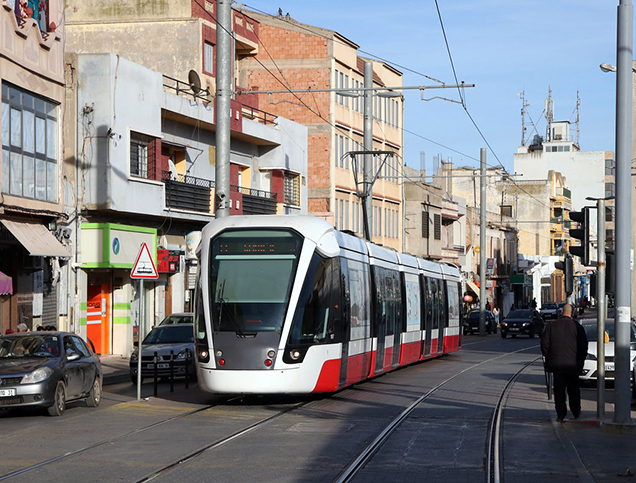
Title: The map of Kuwait Metro Project in 2011.
Source: Click Here

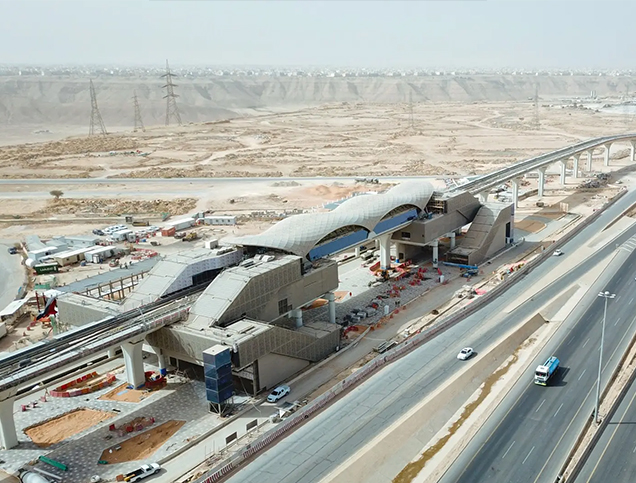
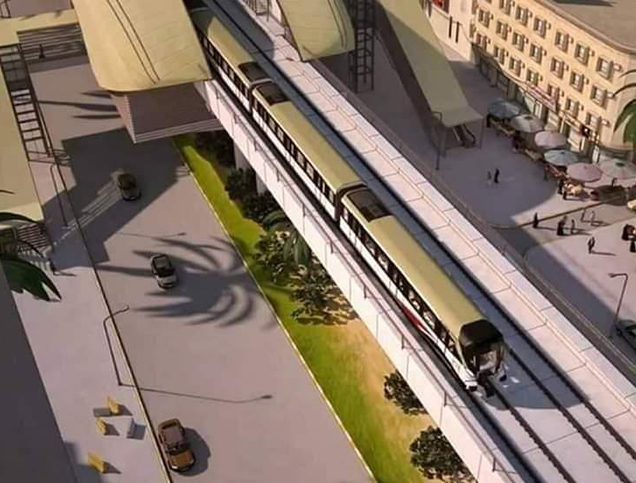
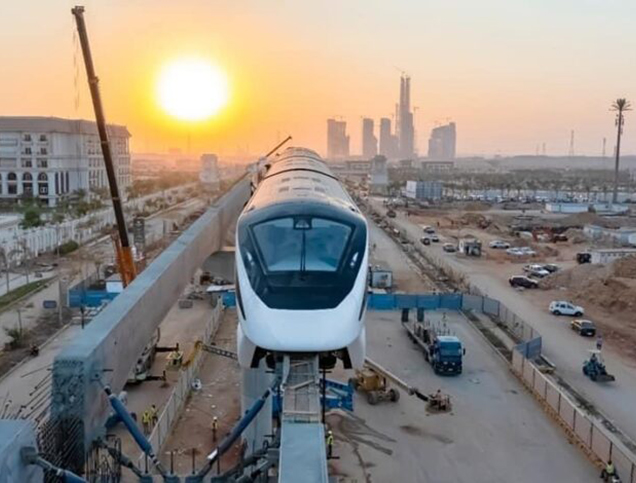
Title: A section of Kuwait Metro Rail System.
Source: Click Here
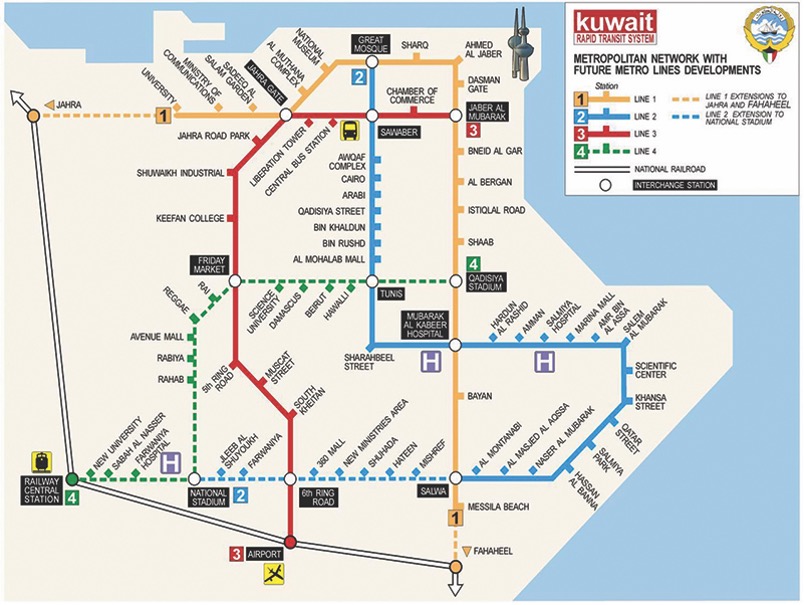
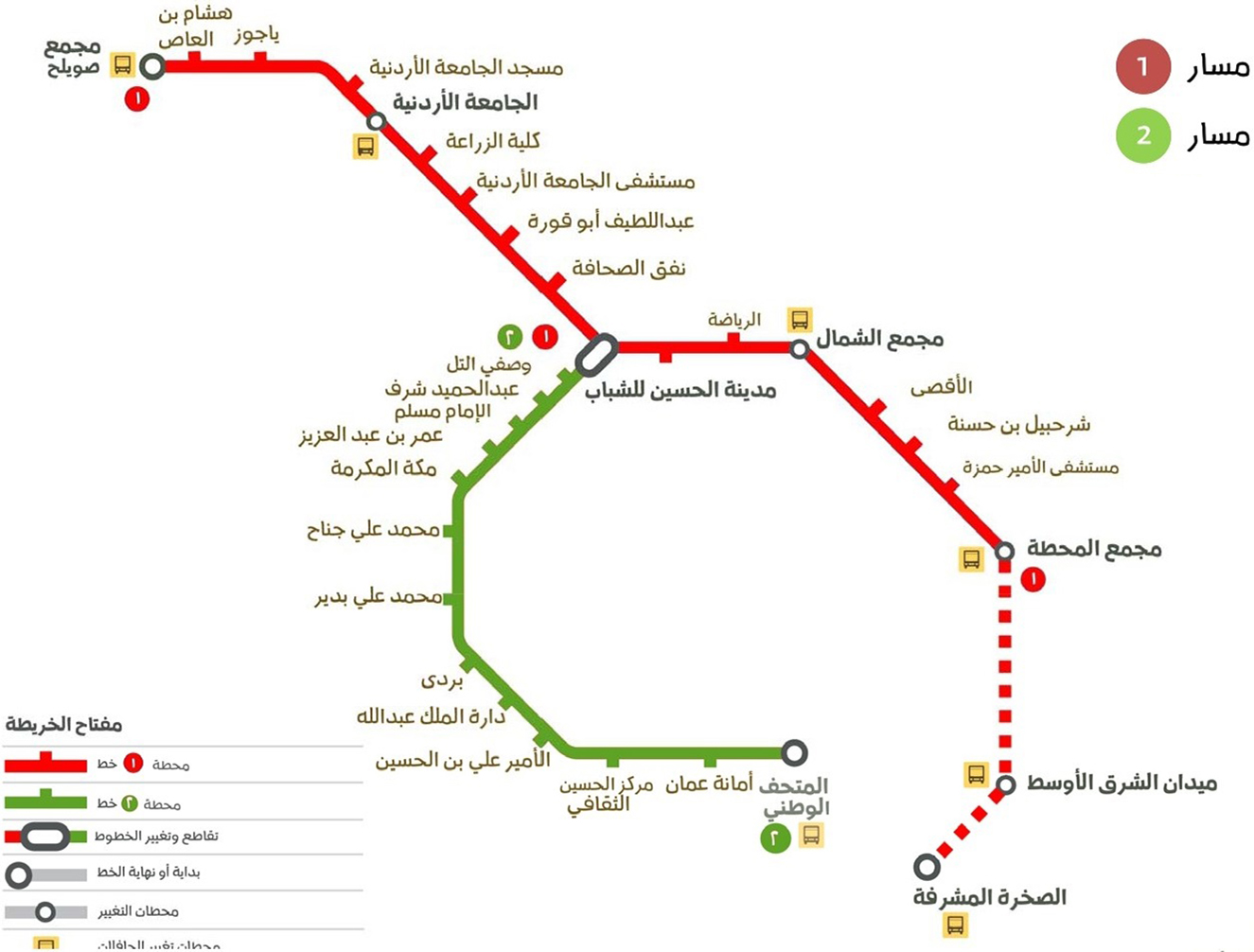
Title: Map of proposed routes for Kuwait’s metropolitan rapid transit network.
Source: Click Here
Title: The map of Kuwait Metro Project in 2009.
Source: Click Here
Title: The map of Kuwait Metro Project in 2011.
Source: Click Here
Title: A section of Kuwait Metro Rail System.
Source: Click Here
Title: Map of proposed routes for Kuwait’s metropolitan rapid transit network.
Source: Click Here
It aims to integrate seamlessly with other public transportation modes,5 alleviate traffic congestion, promote economic growth, and enhance urban connectivity. It also seeks to establish an authority dedicated for oversight and aims to encourage the private sector involvement in its development and implementation.6 To implement this vision, a master system plan was developed.7 This plan includes the design and construction of multiple metro lines, the integration with bus and tram networks, and the establishment of park-and-ride facilities,8 such as the key station at Bayan.9
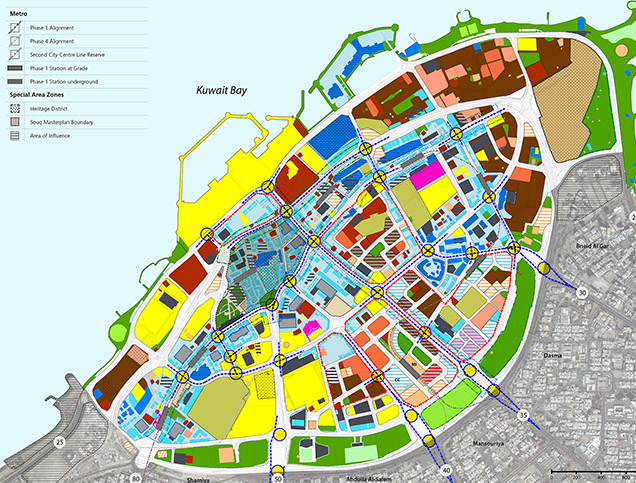
Kuwait Metro network will cover major areas including Hawalli, Salmiya, Kheitan, Farwaniya, and the central business district.10 Spanning 160 kilometers, the system will feature 44.8 kilometers of the track running underground,11 and 68 stations with key stops at universities, malls, and sports arenas.12
Kuwait Metro project enhances social connectivity by providing affordable, fast, and accessible transportation, particularly benefiting individuals with special needs, while supporting urban expansion.13 Environmentally, it reduces energy consumption and lowers carbon emissions, contributing to a more sustainable and eco-friendly urban mobility system.14
The Ministry of Communications leads the metro project,15 working alongside the Kuwait Overland Transport Union (KOTU), which has confirmed the accuracy of the metro lines but expressed uncertainty about the feasibility of tram lines.16 Besides, the Partnerships Technical Bureau (PTB) oversaw the public-private partnership (PPP) strategy, managed feasibility studies, coordinated procurement, and facilitated collaboration between government and private sector partners.17 Further, a consortium comprising Al Dashti, INECO (Ingeniería y Economía del Transporte), and Kuwait United Development conducted feasibility studies and developed the master plan.18
Originally proposed in 2008,19 the project was structured to be implemented over five phases.20 Phase One included a 50-kilometer segment featuring 27 stations, with approximately one-third of the route running underground.21 Subsequent phases are planned to expand the network to its full length of 160-kilometer.22
Project Link
Endnotes
References
An online library where you can explore relevant data on urban development in the Arab cities.
More



Lorem ipsum dolor sit amet consectetur. Lacus nibh neque erat massa elementum. Ultricies ante sed sed nunc massa ider.
Last updated 3 mins ago
Lorem ipsum dolor sit amet consectetur. Lacus nibh neque erat massa elementum. Ultricies ante sed sed nunc massa ider.
Last updated 3 mins ago
Lorem ipsum dolor sit amet consectetur. Lacus nibh neque erat massa elementum. Ultricies ante sed sed nunc massa ider.
Last updated 3 mins ago
Lorem ipsum dolor sit amet consectetur. Lacus nibh neque erat massa elementum. Ultricies ante sed sed nunc massa ider.
Last updated 3 mins ago
Lorem ipsum dolor sit amet consectetur. Lacus nibh neque erat massa elementum. Ultricies ante sed sed nunc massa ider.
Last updated 3 mins ago
Lorem ipsum dolor sit amet consectetur. Lacus nibh neque erat massa elementum. Ultricies ante sed sed nunc massa ider.
Last updated 3 mins ago