Close
Approach Words: Comprehensive Management, Environment Preservation, Sustainability
Public Policy Instruments: Communicative, Financial Mechanism, Physical Intervention, Planning
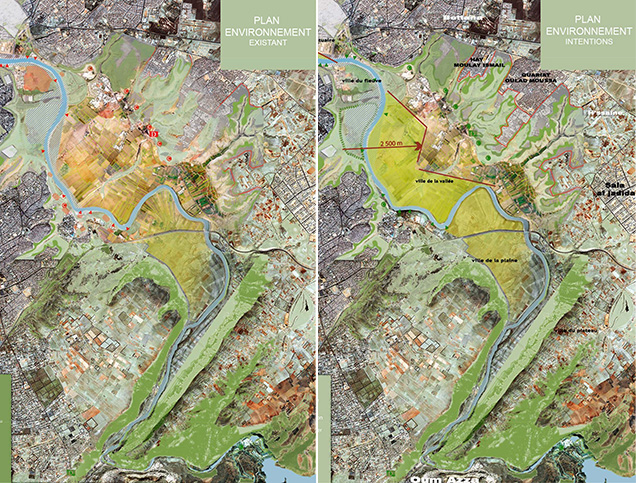
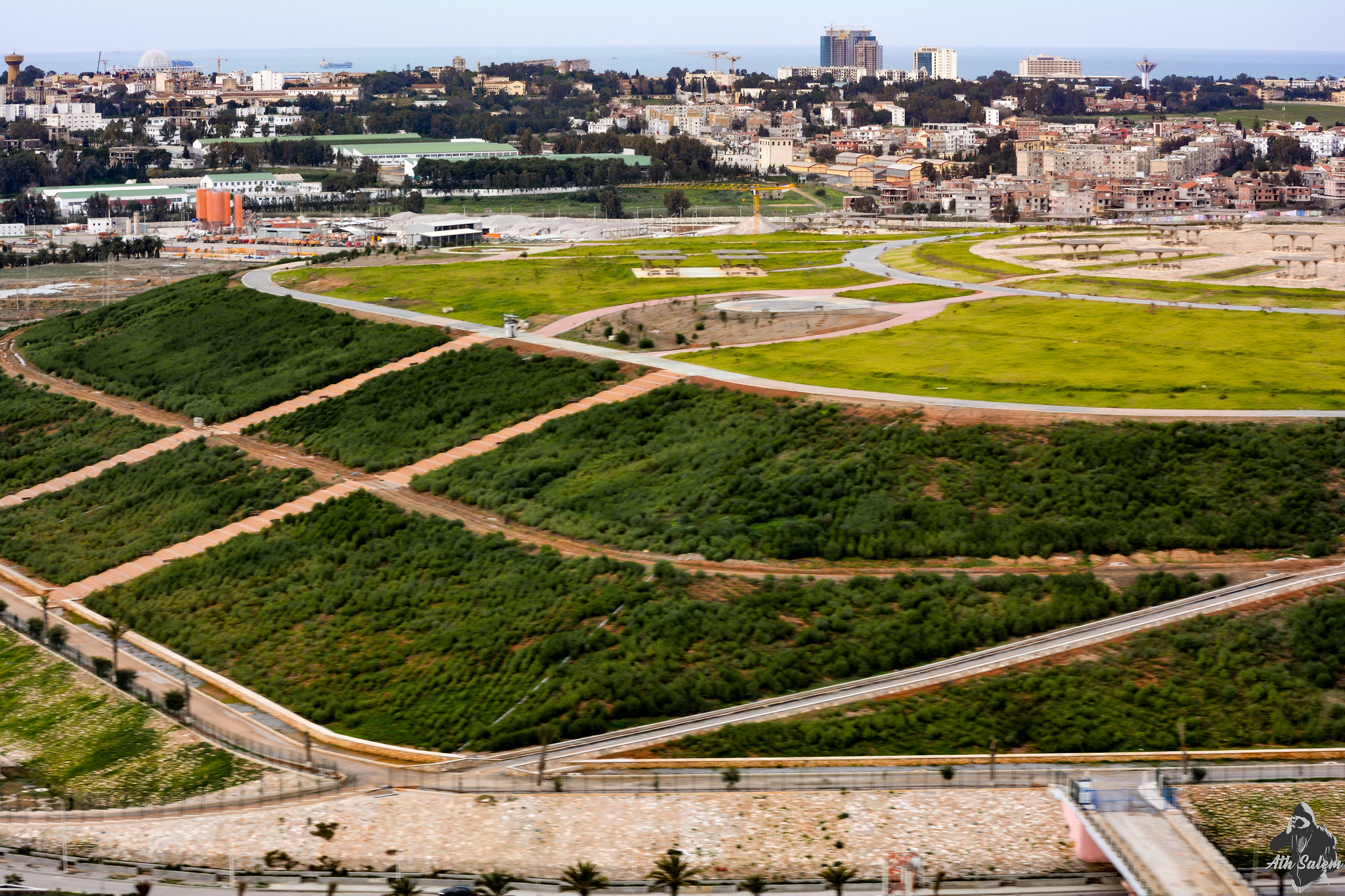
The Meknès Waste Recovery Center is a landmark project advancing Morocco’s sustainable waste management agenda. Located 5 kilometers from the city of Meknès, the project transformed a 0.25 square kilometers uncontrolled landfill into a modern, integrated waste disposal and treatment facility through a public-private partnership, marking a significant environmental and urban regional milestone.1
Previously, the site received approximately 185,000 tonnes of waste annually from 650,000 residents, posing serious health, environmental, and local livelihood risks.2
The project envisions the site as a “sustainable recovery facility” aligned with Morocco’s national development targets.3 It aims to convert an illegal and environmentally hazardous dump into an exemplary model of sustainable waste.4
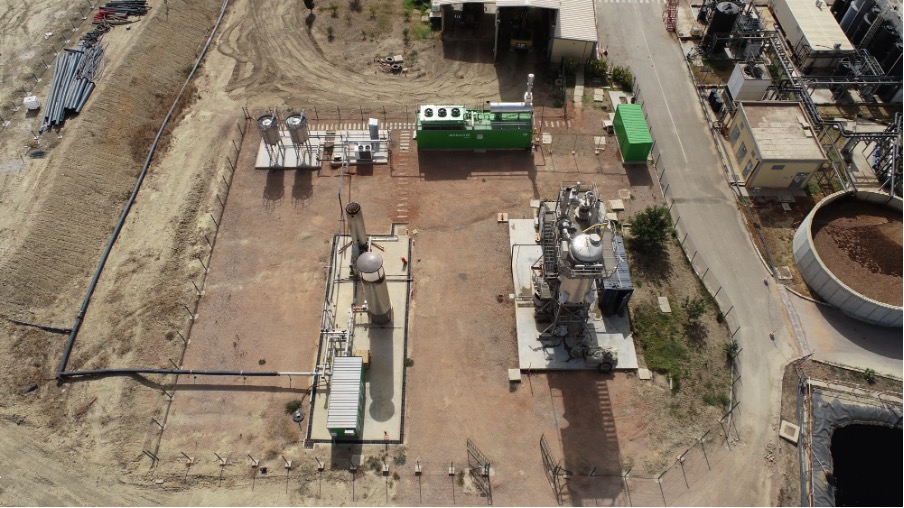
Title: The Meknès Waste Recovery Center
Source: Click Here
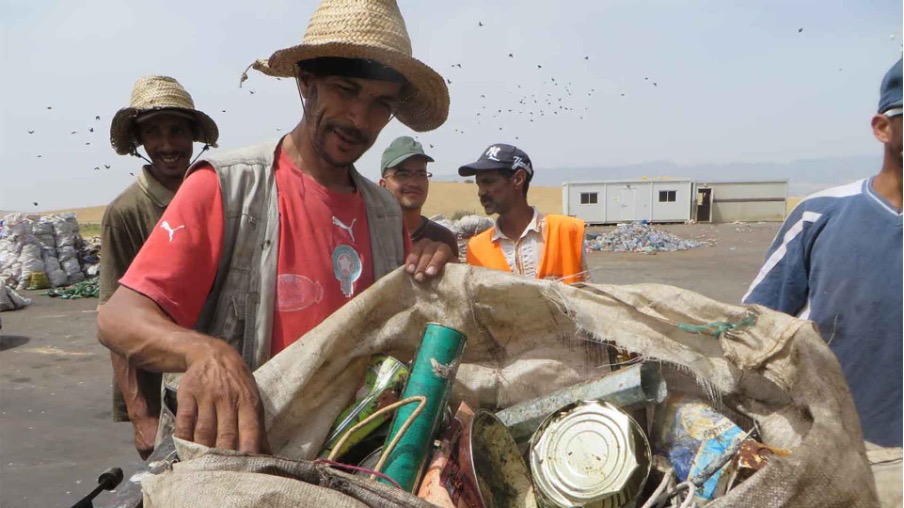
Title: waste sorters in Meknès Waste Recovery Center.
Source: Click Here
Title: The Meknès Waste Recovery Center
Source: Click Here
Title: waste sorters in Meknès Waste Recovery Center.
Source: Click Here
Spanning 0.56 square kilometers, the center incorporates advanced technologies to process household waste sustainably and efficiently. Key components include:5 6
The project also foregrounds social inclusion by formalizing the role of informal waste pickers. It eliminated child labour and significantly improved working conditions and incomes. A key milestone was the creation of the Attadamoun cooperative, founded by 180 former waste pickers, now formally employed to manage sorting and resale of recyclables.7

Owner/Developer (Public)

Owner/Developer

Consultant/Designer

Funder

Owner/Developer (Public)
Owner/Developer
Funder
Consultant/Designer
This formalization process helped recognize their profession with an official “sorter” status and facilitated their full social and economic integration.8 The project’s social innovations include:9
The center is operated by the SUEZ Group in partnership with the Municipality of Meknès. Along technical contributions, SUEZ brought international expertise to the design, implementation, and operation of the facility. The project is funded through a blend of municipal public investment and private sector financing.10
Project Link
Endnotes
N.A.
References
An online library where you can explore relevant data on urban development in the Arab cities.
More



Lorem ipsum dolor sit amet consectetur. Lacus nibh neque erat massa elementum. Ultricies ante sed sed nunc massa ider.
Last updated 3 mins ago
Lorem ipsum dolor sit amet consectetur. Lacus nibh neque erat massa elementum. Ultricies ante sed sed nunc massa ider.
Last updated 3 mins ago
Lorem ipsum dolor sit amet consectetur. Lacus nibh neque erat massa elementum. Ultricies ante sed sed nunc massa ider.
Last updated 3 mins ago
Lorem ipsum dolor sit amet consectetur. Lacus nibh neque erat massa elementum. Ultricies ante sed sed nunc massa ider.
Last updated 3 mins ago
Lorem ipsum dolor sit amet consectetur. Lacus nibh neque erat massa elementum. Ultricies ante sed sed nunc massa ider.
Last updated 3 mins ago
Lorem ipsum dolor sit amet consectetur. Lacus nibh neque erat massa elementum. Ultricies ante sed sed nunc massa ider.
Last updated 3 mins ago