Close
Approach Words: Comprehensive Management, Sustainability, Urban Resilience
Public Policy Instruments: Financial Mechanism, Planning, Regulatory
The Salalah Waste-to-Energy (WtE) project is a strategic waste management initiative located in Salalah, Dhofar in Oman.1 The project aims to convert municipal solid waste into usable energy while aligning Oman’s environmental sustainability goals.2 It directly supports Oman Environmental Services Holding Company’s (Be’ah) target of diverting up to 80% of solid waste away from landfills into recycling and energy-from-waste by 2030.3
Its vision is “to revolutionize waste management in the Dhofar region” by promoting a circular economy and reducing landfill dependency.4
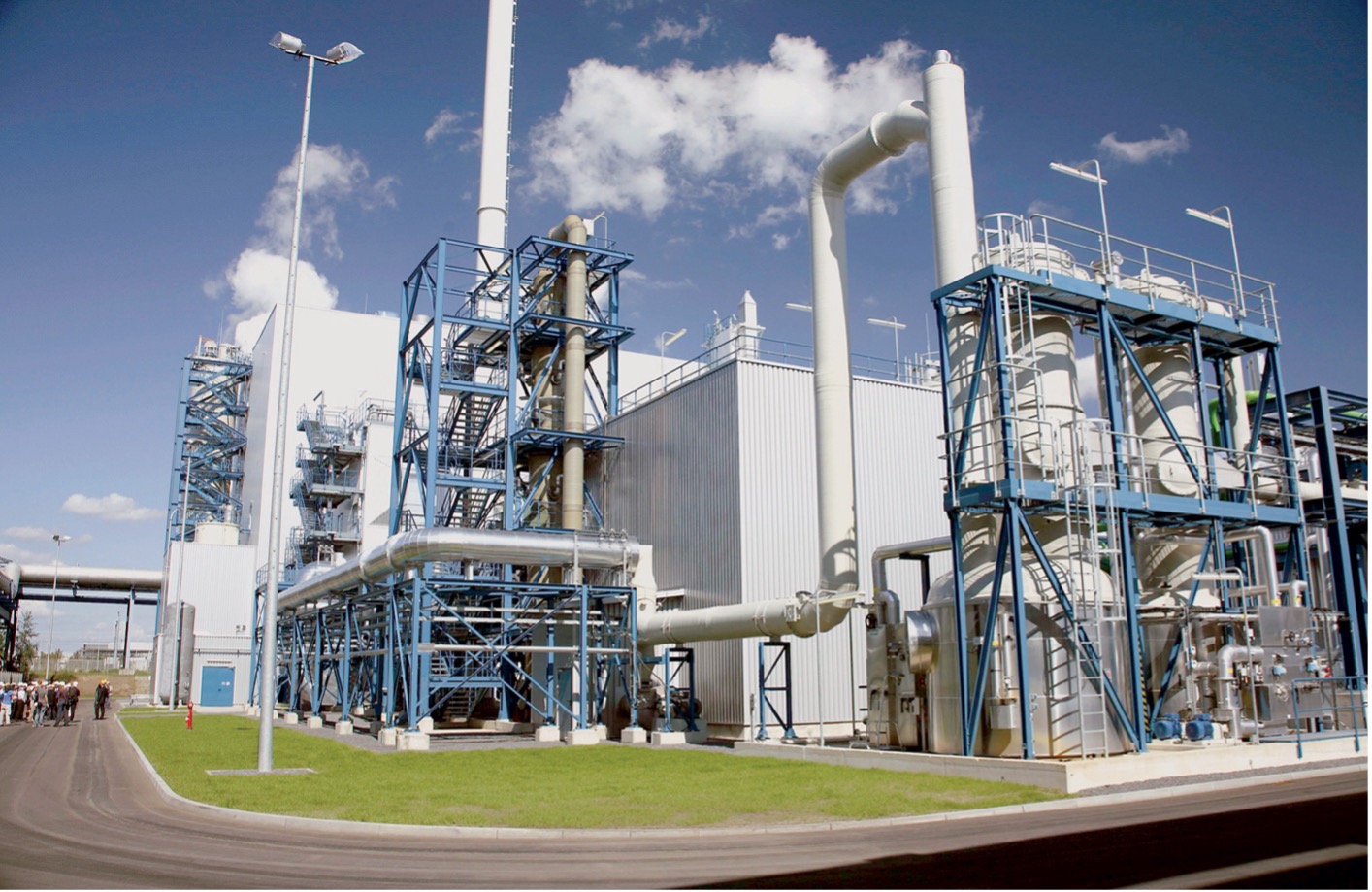
Title: Salalah WtE Plant.
Source: Click Here
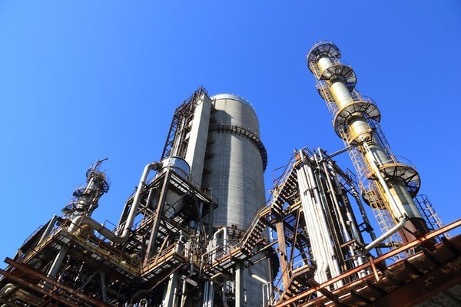
Title: Salalah WtE Plant for RDF industry.
Source: Click Here
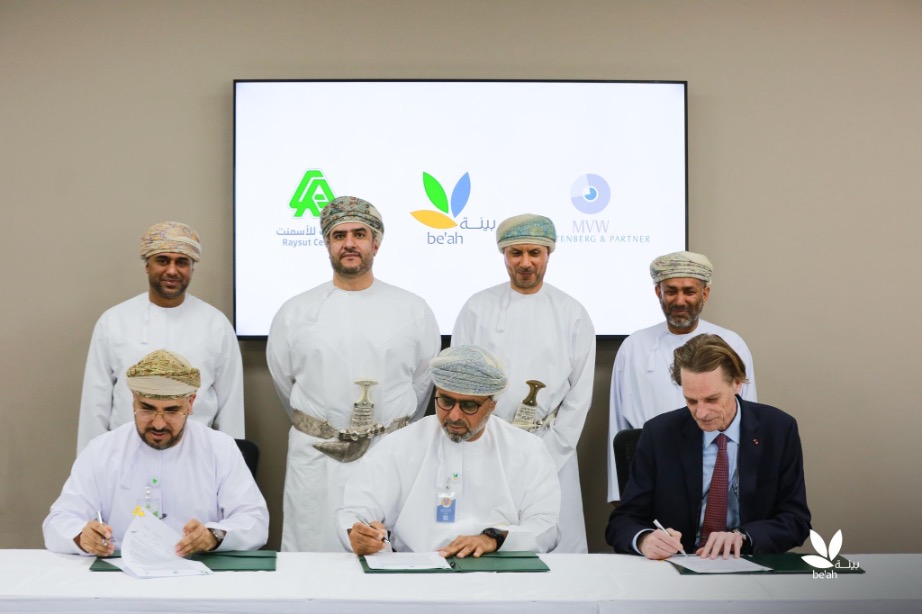
Title: Signing of cooperation agreement with Raysut Cement Group Cement Company and the German firm MVW Lechtenberg & Partner.
Source: Click Here
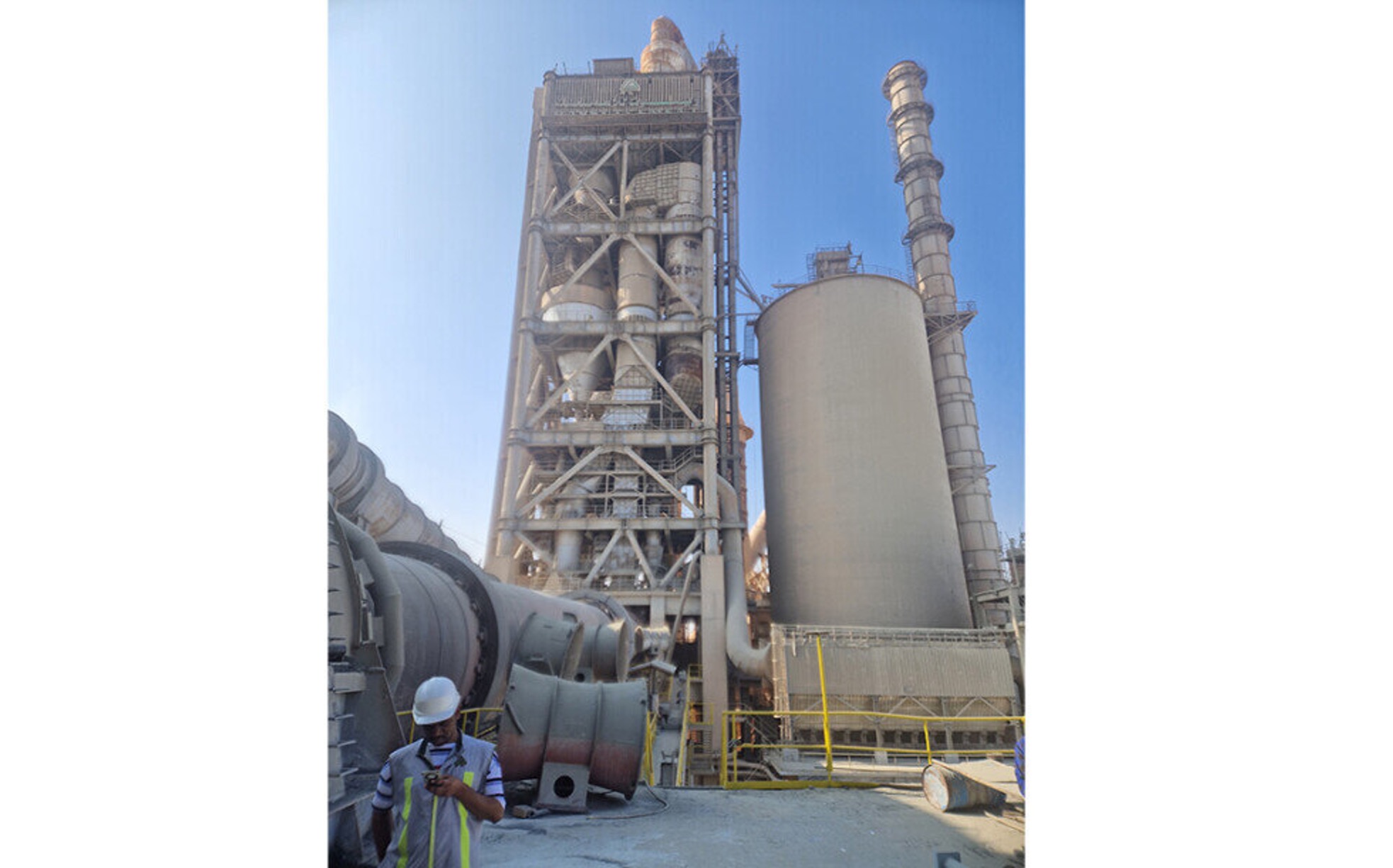
Title: Inside the Salalah facility where non-recyclable waste is transformed into RDF
Source: Click Here
Title: Salalah WtE Plant.
Source: Click Here
Title: Salalah WtE Plant for RDF industry.
Source: Click Here
Title: Signing of cooperation agreement with Raysut Cement Group Cement Company and the German firm MVW Lechtenberg & Partner.
Source: Click Here
Title: Inside the Salalah facility where non-recyclable waste is transformed into RDF
Source: Click Here
The Salalah facility is designed to both sort recyclables materials and convert non-recyclables into energy;5 core strategies include:
To support these strategies, the plant uses combustion technology to generate approximately 130–140 MW of electricity. It will process refuse-derived fuel (RDF) from solid waste, with an estimated fuel demand of 600–1,000 tonnes per annum.11 Further, the heat produced will supplement the high-pressure steam needs of an undisclosed petrochemical plant, effectively replace natural gas combustion and reduce reliance on fossil fuels.12
The project is guided by principles of sustainability, innovation, and environmental responsibility. By integrating waste management with energy production, the project aims to reduce greenhouse gas emissions and support Oman’s transition toward a circular economy.13 14 RDF production provides a cost-effective alternative fuel for the cement industry, reducing reliance on fossil fuels.15 Additionally, composting organic waste enhances soil fertility,16 while improved waste management minimizes pollution, benefiting local communities and contributing to national climate change mitigation efforts.17

Owner/Developer (Public)

Consultant/Designer

Contractor/Implementer
Owner/Developer (Public)
Contractor/Implementer
Consultant/Designer
The project was led by Be’ah18 in collaboration with MVW Lechtenberg & Partner, a German consulting firm specializing in alternative fuels and waste management,19 and Raysut Cement company, Oman’s largest cement manufacturer, integrating RDF into its production processes.20 21 A memorandum of cooperation was signed in 2025 to assess the ongoing feasibility of Oman’s RDF production,22 establishing foundation for a sustainable business model that benefits all stakeholders and supports alternative energy in heavy industries.23
The implementation timeline is dependent on study outcomes and stakeholder agreements.24 25
Salalah project represents a transformative step in Oman’s waste management sector, reinforcing the Sultanate’s commitment to sustainability and positioning it as a leader in adopting innovative and eco-friendly solutions.26 27
Project Link
https://www.cemnet.com/News/story/178637/raysut-cement-establishes-rdf-collaboration-partners.html
Endnotes
N.A.
References
An online library where you can explore relevant data on urban development in the Arab cities.
More


Lorem ipsum dolor sit amet consectetur. Lacus nibh neque erat massa elementum. Ultricies ante sed sed nunc massa ider.
Last updated 3 mins ago
Lorem ipsum dolor sit amet consectetur. Lacus nibh neque erat massa elementum. Ultricies ante sed sed nunc massa ider.
Last updated 3 mins ago
Lorem ipsum dolor sit amet consectetur. Lacus nibh neque erat massa elementum. Ultricies ante sed sed nunc massa ider.
Last updated 3 mins ago
Lorem ipsum dolor sit amet consectetur. Lacus nibh neque erat massa elementum. Ultricies ante sed sed nunc massa ider.
Last updated 3 mins ago
Lorem ipsum dolor sit amet consectetur. Lacus nibh neque erat massa elementum. Ultricies ante sed sed nunc massa ider.
Last updated 3 mins ago
Lorem ipsum dolor sit amet consectetur. Lacus nibh neque erat massa elementum. Ultricies ante sed sed nunc massa ider.
Last updated 3 mins ago