Close
Approach Words: Smart City, Urban Competitiveness, Urban Livability
Public Policy Instruments: Financial Mechanism, Physical Intervention, Planning, Regulatory
King Abdullah Economic City (KAEC) is a large-scale urban development on the Red Sea coast of Saudi Arabia, approximately 100 kilometers north of Jeddah. 1 Initiated in 2005, the project aims to serve as a strategic hub for business, logistics, industry, tourism, and urban living. 2
KAEC’s vision is to become “a city of opportunity where lifestyle and business thrive together.” It seeks to support Saudi Arabia’s Vision 2030 by contributing to the country’s economic diversification, reducing reliance on oil revenues, 3 4 and fostering knowledge-based, innovative industries, and global trade. 5 6
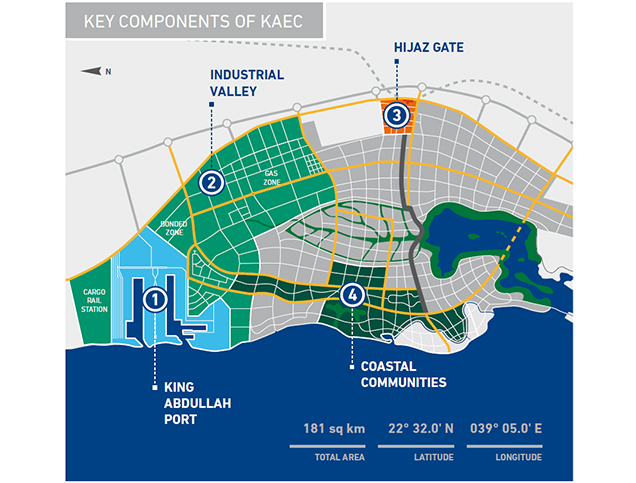
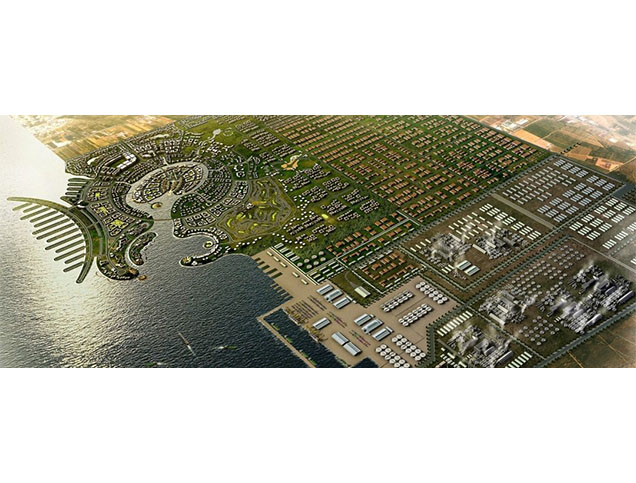
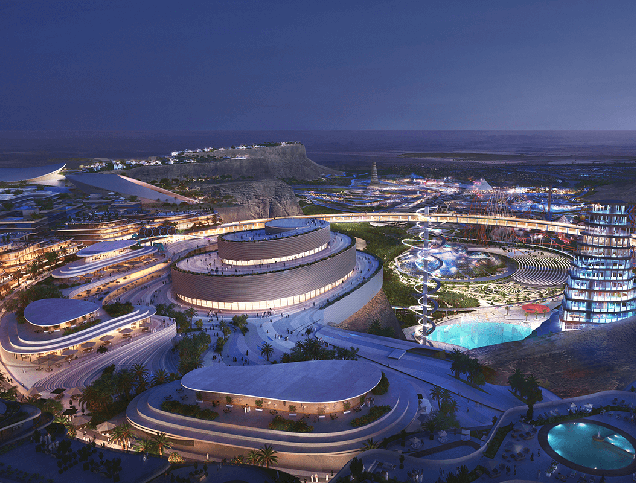
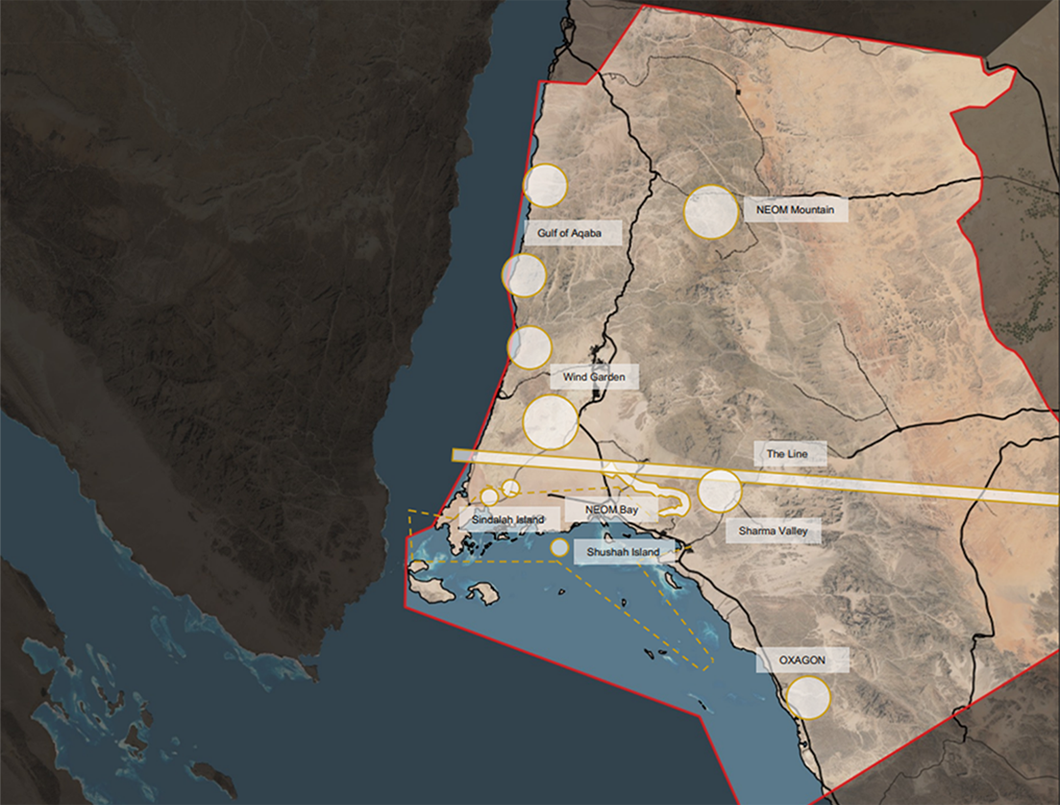
Title: Key Components of KAEC.
Source: Click Here
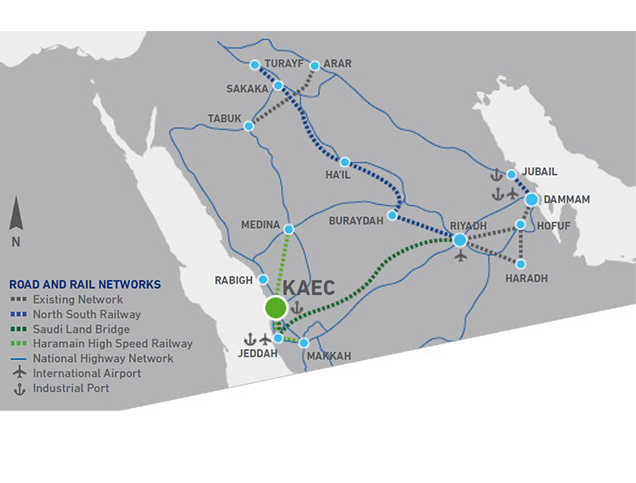
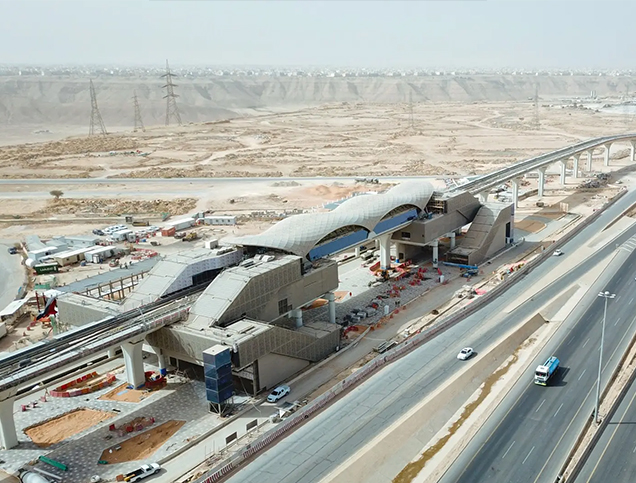
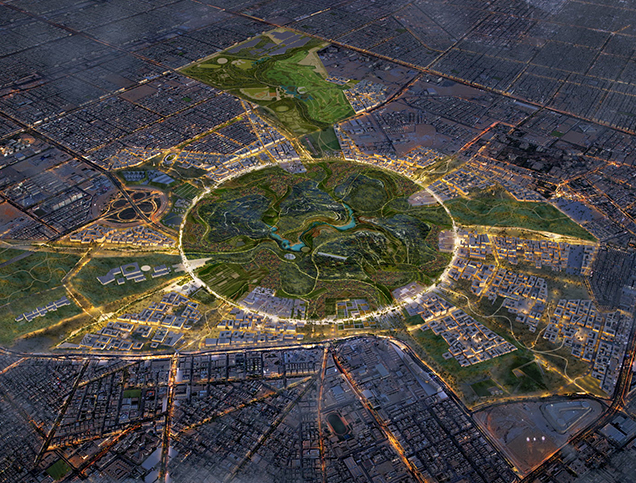
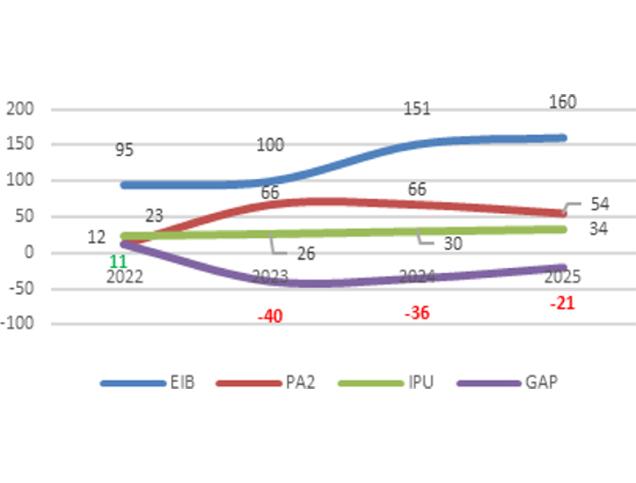
Title: Road and rail networks with the whole Saudi Kingdom.
Source: Click Here
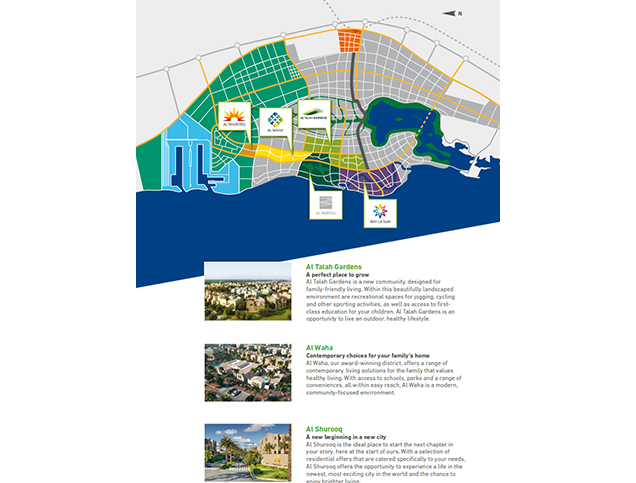
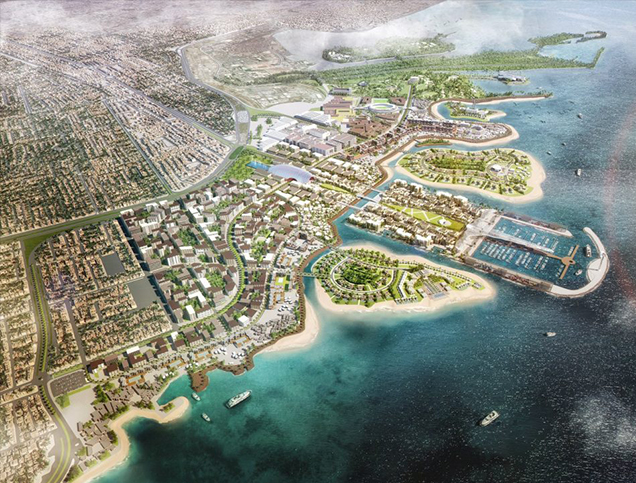
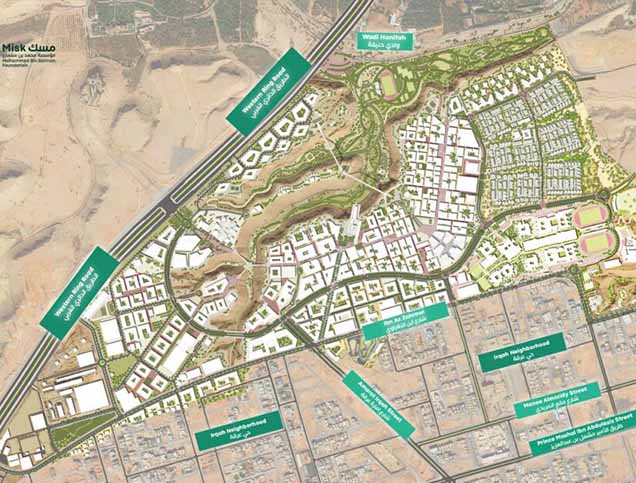
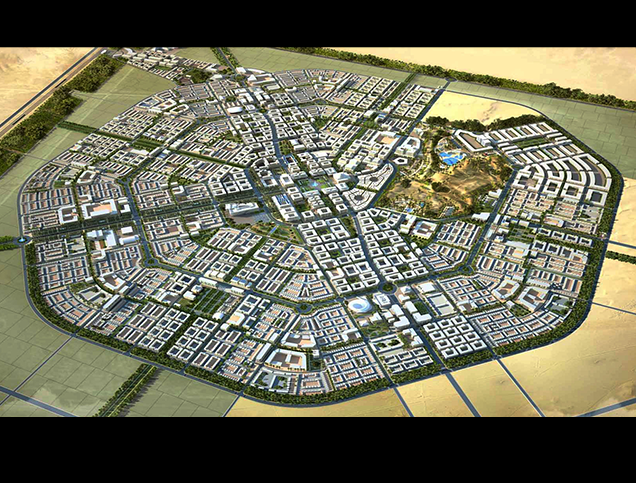
Title: Each district within the coastal communities has been master planned to ensure that KAEC offers a housing solution for everyone.
Source: Click Here
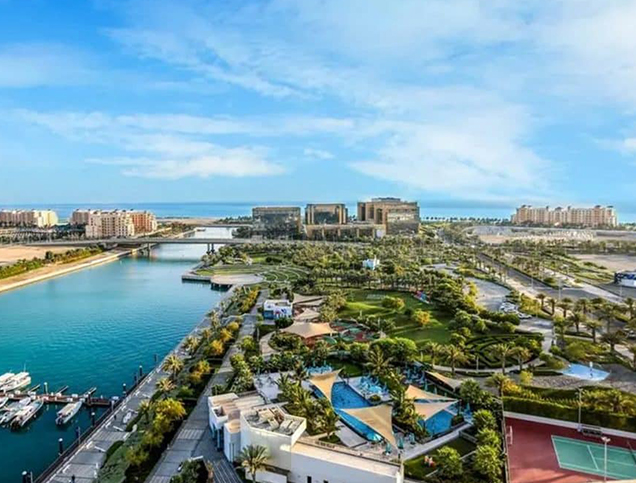
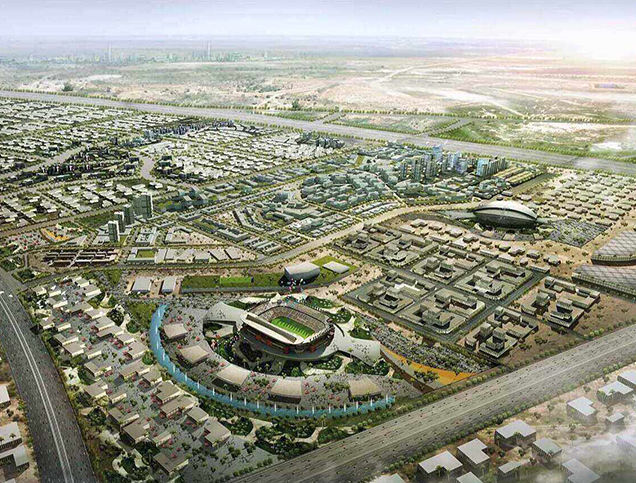
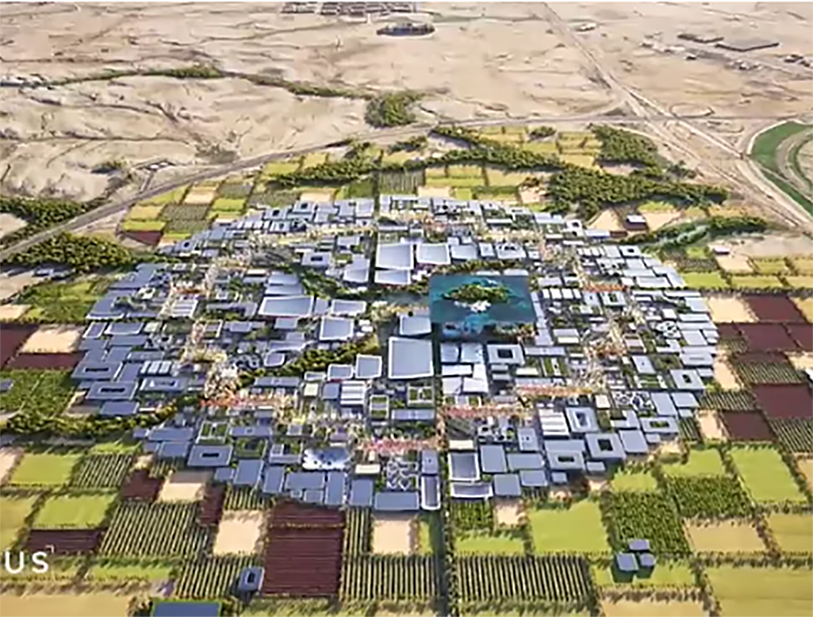
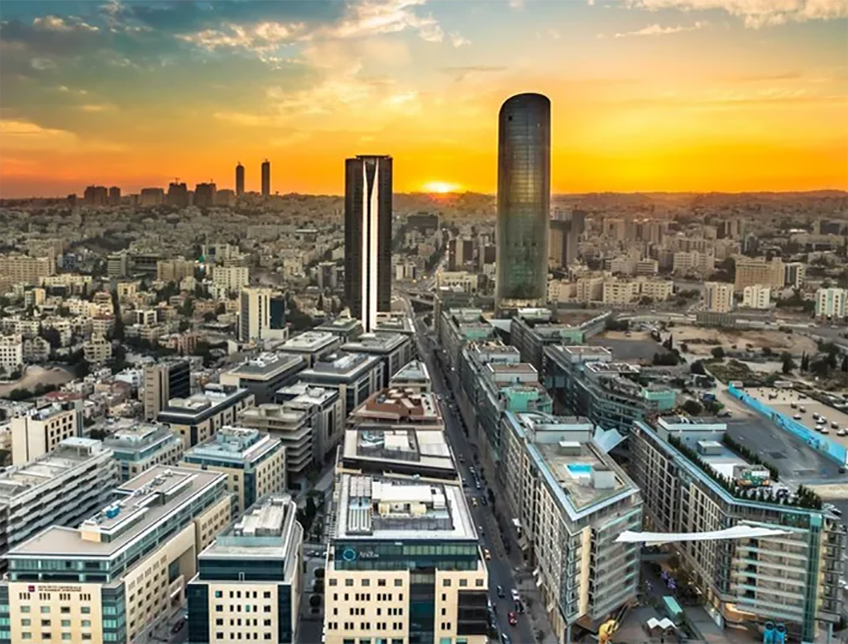
Title: King Abdullah Economic City in Saudi Arabia, developed by Emaar the Economic City, is a transformative real estate project set to revolutionize the Kingdom
Source: Click Here
Title: Key Components of KAEC.
Source: Click Here
Title: Road and rail networks with the whole Saudi Kingdom.
Source: Click Here
Title: Each district within the coastal communities has been master planned to ensure that KAEC offers a housing solution for everyone.
Source: Click Here
Title: King Abdullah Economic City in Saudi Arabia, developed by Emaar the Economic City, is a transformative real estate project set to revolutionize the Kingdom
Source: Click Here
To implement the vision, the 173 square kilometers KAEC, the largest privately funded economic projects in the world, 7 offers diverse development features and components that includes:
– Industrial Valley: A logistics and manufacturing cluster strategically located near major transportation networks, with a focus on pharmaceuticals, food processing, and consumer goods. 8
* –
King Abdullah Port: One of the region’s most technologically advanced deep-water ports, capable of handling the world’s largest container and designed to elevate Saudi Arabia’s trade competitiveness. 9
* –
Residential and Commercial Zones: Mixed-use developments offering modern housing, retail outlets, and office spaces, accommodating diverse urban population. 10
* –
Tourism and Leisure Infrastructure: Luxury hotels, golf course, beaches, and recreational amenities for attracting both local and international visitors. 11
* –
Educational and Training Facilities: Institutions ranging from primary schools to vocational and higher education centers, including partnerships with international academic providers to cultivate a skilled workforce. 12
Sustainability is integrated into KAEC’s planning and operations. The city emphasizes energy-efficient infrastructure, renewable energy solutions, and environmentally responsible construction practices. Public amenities are designed for universal accessibility, including features that support differently abled individuals. 13 14 Green spaces and walkable districts are included to enhance environmental and social well-being.

Owner/Developer (Public)

Owner/Developer (Public)
KAEC is developed and managed by Emaar, The Economic City, a publicly listed company on the Saudi stock exchange. It receives strategic backing from the Saudi government and attracts private sector investors, 15 involving collaboration with international companies, bringing global expertise to planning, engineering, and implementation. 16
The implementation development of KAEC is carried out in phases: 17
As of 2024, key components such as King Abdullah Port and large sections of the Industrial Valley are fully operational. Residential and commercial zones continue to expand, attracting growing interest from investors and multinational businesses. KAEC remains a flagship development aligned with Saudi Arabia’s Vision 2030, to position KSA as a global economic powerhouse. 18 19
Project Link
Endnotes
References
An online library where you can explore relevant data on urban development in the Arab cities.
More

Lorem ipsum dolor sit amet consectetur. Lacus nibh neque erat massa elementum. Ultricies ante sed sed nunc massa ider.
Last updated 3 mins ago
Lorem ipsum dolor sit amet consectetur. Lacus nibh neque erat massa elementum. Ultricies ante sed sed nunc massa ider.
Last updated 3 mins ago
Lorem ipsum dolor sit amet consectetur. Lacus nibh neque erat massa elementum. Ultricies ante sed sed nunc massa ider.
Last updated 3 mins ago
Lorem ipsum dolor sit amet consectetur. Lacus nibh neque erat massa elementum. Ultricies ante sed sed nunc massa ider.
Last updated 3 mins ago
Lorem ipsum dolor sit amet consectetur. Lacus nibh neque erat massa elementum. Ultricies ante sed sed nunc massa ider.
Last updated 3 mins ago
Lorem ipsum dolor sit amet consectetur. Lacus nibh neque erat massa elementum. Ultricies ante sed sed nunc massa ider.
Last updated 3 mins ago