Close
Approach Words: Capacity Building, Integrated City, Sustainability
Public Policy Instruments: Financial Mechanism, Planning, Regulatory
The Comoros Interisland Connectivity Project (PICMC) is a comprehensive mobility initiative aimed at improving maritime transportation, infrastructure, connectivity and mobility, climate resilience and safety among the islands of Grande Comore, Moheli, and Anjouan.1 2
PICMC envisions the development of a “safer, more efficient,3 and environmentally sustainable interisland maritime transport system that promotes socioeconomic integration.”4 The project adopts a multifaceted approach that includes upgrading port infrastructure, renewing vessels, and strengthening maritime authorities across the Comoros archipelago.5 Additionally, it ensures alignment with the World Bank’s Environmental and Social Standards (ESSs) through the implementation of measures such as an Environmental and Social Management Framework (ESMF) and a Stakeholder Engagement Plan (SEP).6
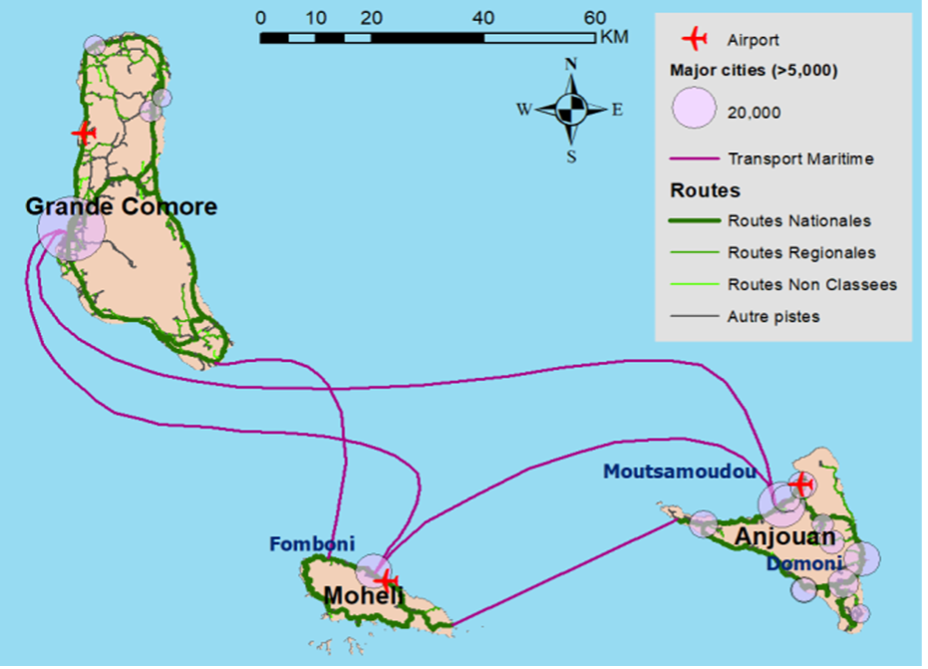
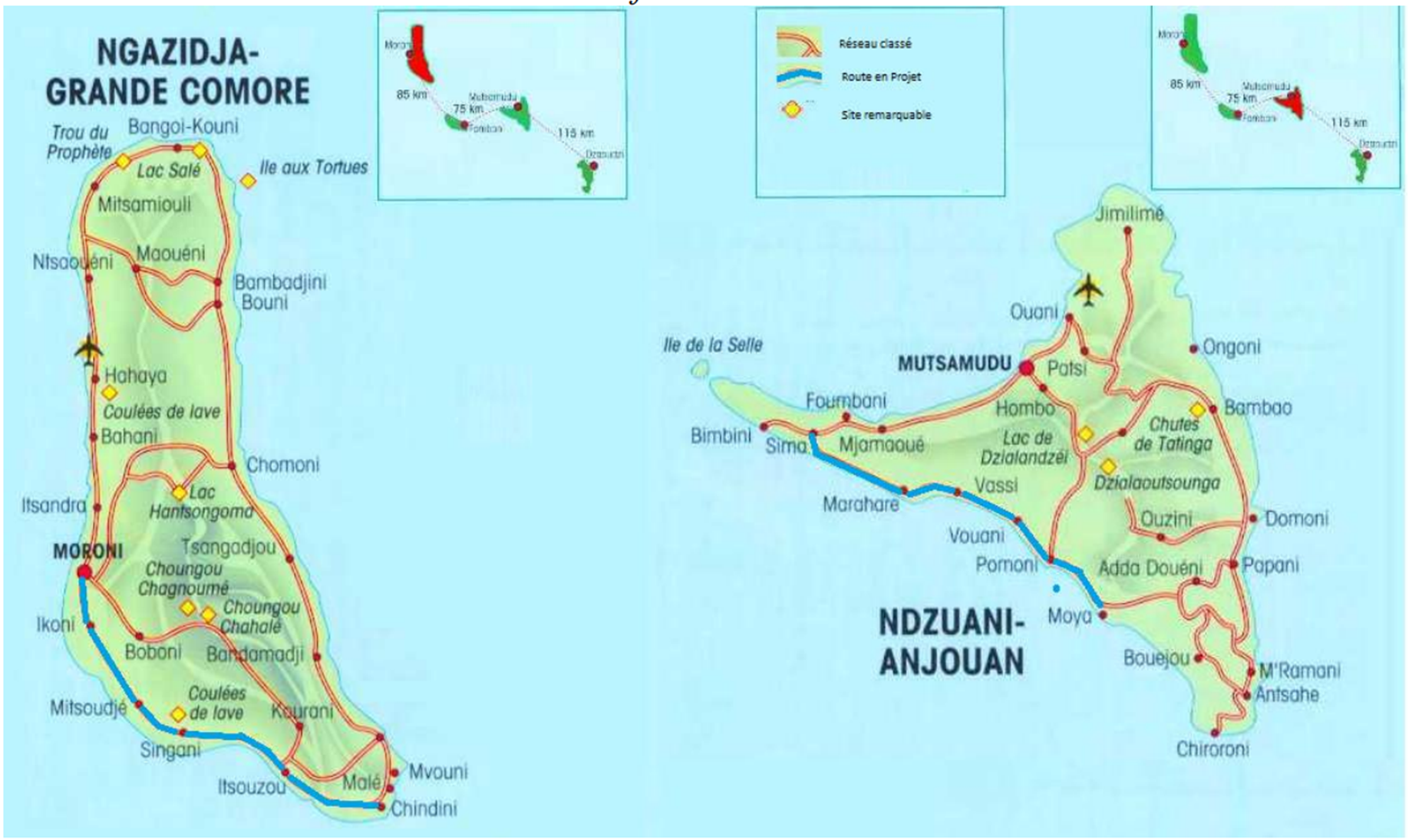
Title: The major roads and maritine transport network in Comoros
Source: Click Here

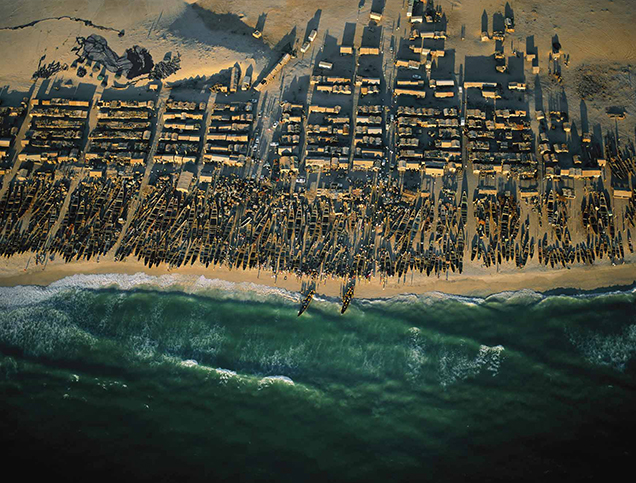
Title: Maritime interisland transportation in Comoros
Source: Click Here
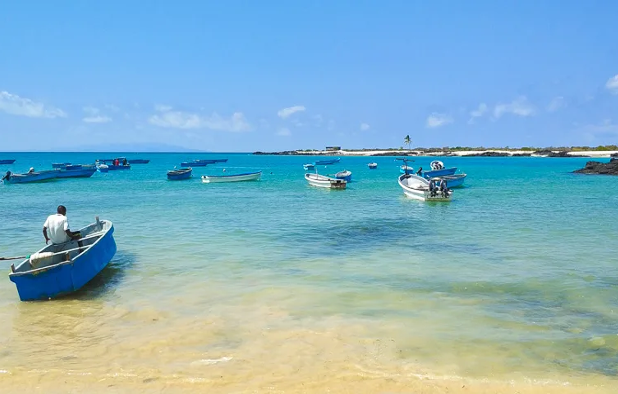
Title: The Harbour of Chindini, located at the southern tip of Grande Comore, serves as the departure point for boats heading to Moheli
Source: Click Here
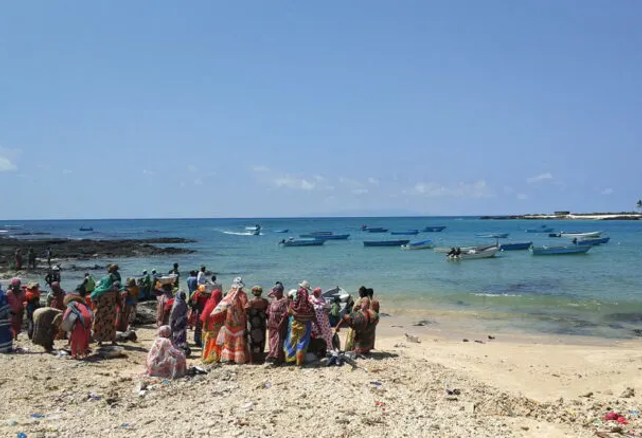
Title: Residents of Grand Comore awaiting their journey to Moheli
Source: Click Here
Title: The major roads and maritine transport network in Comoros
Source: Click Here
Title: Maritime interisland transportation in Comoros
Source: Click Here
Title: The Harbour of Chindini, located at the southern tip of Grande Comore, serves as the departure point for boats heading to Moheli
Source: Click Here
Title: Residents of Grand Comore awaiting their journey to Moheli
Source: Click Here
To implement the vision, a comprehensive project framework was proposed, comprising four key components aligning with these standards:

Owner/Developer (Public)

The project is expected to benefit local communities by providing safer, more reliable transport and better access to goods and services.24 Businesses will gain improved connectivity to expand markets and trade.25 Tourists will enjoy safer, more efficient travel, boosting the tourism sector.26 Vulnerable groups, including women and individuals with disabilities, will benefit from inclusive infrastructure upgrades.27
The 40-million-dollar project, financed by the International Development Association (IDA) and the French Agency for Development,28 is being implemented by the Ministry of Maritime and Air Transport in collaboration with the Société Comorienne des Ports.29 It was disclosed on June 28, 2020, approved on May 20, 2022,30 and is expected to be completed by June 30, 2028.31
Project Link
Endnotes
N.A.
References
An online library where you can explore relevant data on urban development in the Arab cities.
More




Lorem ipsum dolor sit amet consectetur. Lacus nibh neque erat massa elementum. Ultricies ante sed sed nunc massa ider.
Last updated 3 mins ago
Lorem ipsum dolor sit amet consectetur. Lacus nibh neque erat massa elementum. Ultricies ante sed sed nunc massa ider.
Last updated 3 mins ago
Lorem ipsum dolor sit amet consectetur. Lacus nibh neque erat massa elementum. Ultricies ante sed sed nunc massa ider.
Last updated 3 mins ago
Lorem ipsum dolor sit amet consectetur. Lacus nibh neque erat massa elementum. Ultricies ante sed sed nunc massa ider.
Last updated 3 mins ago
Lorem ipsum dolor sit amet consectetur. Lacus nibh neque erat massa elementum. Ultricies ante sed sed nunc massa ider.
Last updated 3 mins ago
Lorem ipsum dolor sit amet consectetur. Lacus nibh neque erat massa elementum. Ultricies ante sed sed nunc massa ider.
Last updated 3 mins ago